One contract for the design and the building.
Design and construct, and novated design and construct, for commercial projects across South Australia, Victoria and New South Wales. One party answerable for whether the drawings and the building agree.
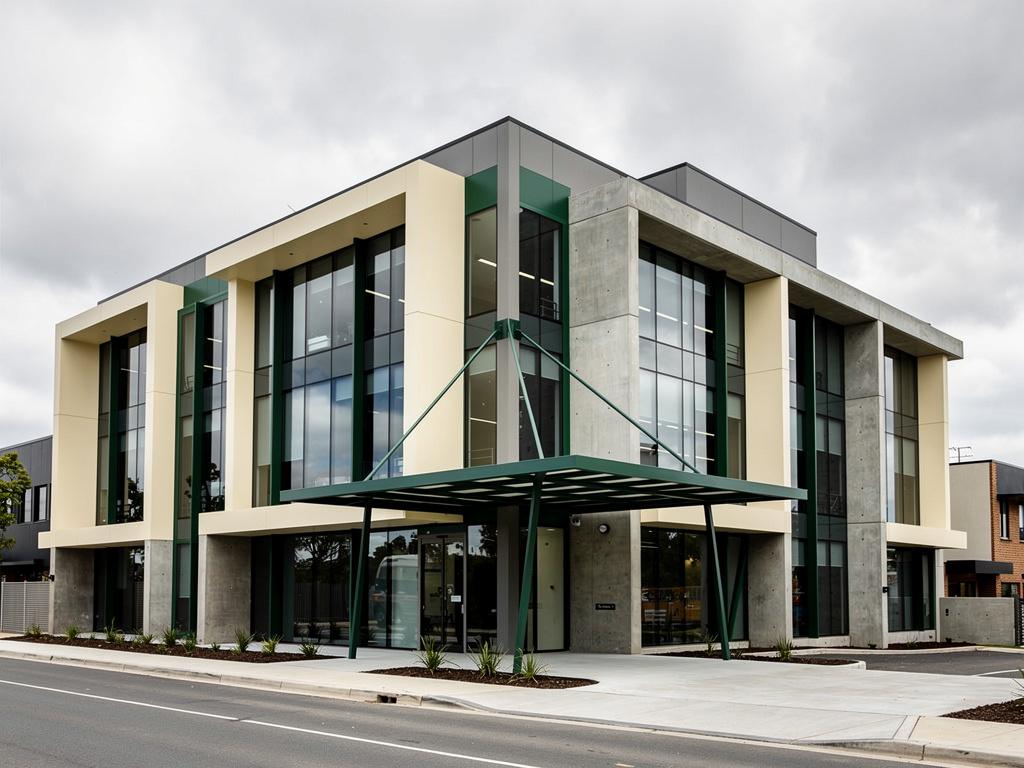
- Contract covering design and delivery
- 1
- Project capacity under a single contract
- $20m
- States we build in: South Australia, Victoria and New South Wales
- 3
- Of design decisions recorded against your brief, in writing
- 100%
What it actually transfers
Design and construct moves one specific risk. Be clear about which one.
It is not a discount and it is not a shortcut. It is a decision about who pays when the drawings and the building disagree.
Under a traditional contract you hold the consultants and you hold the builder, so the gap between what was drawn and what can be built is yours. Under design and construct that gap moves to the contractor, along with the obligation to deliver a building that meets your brief.
Which means your brief is doing far more work than most clients realise. Under a traditional contract, the drawings define the building. Under design and construct, your brief defines the building, and the drawings are the contractor’s means of satisfying it. A brief that says “high quality finishes” has said nothing enforceable at all.
Diagram comparing three procurement structures. Under a traditional contract the owner holds both the design consultants and the builder, and therefore holds the risk that the two do not agree. Under design and construct the builder holds the design consultants and therefore holds that risk. Under novated design and construct the owner appoints the consultants, develops the design, then transfers the appointment to the builder, so the risk moves at the point of novation.
Traditional
Owner
Consultants
Builder
Owner holds the gap
If the drawings are wrong, it is your variation. Most control over the design. Least certainty on the final number.
Design and construct
Owner
Builder, holding design and delivery
Consultants
One party answerable for both. Your brief is the only thing protecting the quality you assumed you were buying.
Novated design and construct
Owner
Consultants
Builder
You develop the design you want, then hand the same team to the builder to complete. Design intent survives. Risk still transfers. The compromise most institutions choose.
Timing
Why the model has to be chosen early.
Control over the outcome falls away long before the money does.
The decision about which procurement model to use is itself an early decision, and it gets harder to reverse every week it is deferred. By tender the design is documented, the consultants are appointed and the options have narrowed to the one that fits what already exists.
Influence curve. As a project moves from concept through design, tender and construction, the ability to change the outcome falls steeply while the cost of making a change rises. The two lines cross before tender, which is why the decisions that matter are made early. The chart shows shape, not measured data.
Ability to change the outcome
Cost of making the change
the lines cross before tender
- Concept
- Design
- Tender
- Construction
Shape, not measured data. Every project sits at a different point on it.
Which model
A decision tree, not a preference.
Decision tree for choosing a procurement model. Starting from whether the design is already documented: if yes and the client wants price certainty, a traditional lump sum contract; if the design exists but the client wants one party answerable, novated design and construct; if there is no design yet and the brief can be written in performance terms, design and construct; if there is no design and the brief is still forming, early contractor involvement.
Is the design already documented?
yes
Do you want one party answerable for both?
yes
Novated design and construct
no
Traditional lump sum
not yet
Can the brief be written in performance terms?
yes
Design and construct
no
Early contractor involvement
The brief
We would rather write it with you than be handed a weak one.
A vague brief hands the contractor latitude, and different contractors will use it differently. All of them legitimately. We would rather spend a week making the brief specific, because a specific brief is the client’s protection and it also removes the arguments we would otherwise be having in month six.
- Performance, not products, where you canState the outcome. Acoustic separation between these two rooms, this illuminance at this working plane, this many people at this density. Then the contractor is answerable for the result rather than for having installed the named item.
- Products, not performance, where you mustWhere a specific finish, system or manufacturer genuinely matters, name it. Mixing the two deliberately is normal. Mixing them accidentally is where disputes start.
- The things you will not acceptExclusions are as informative as inclusions, and easier to write.
- The standards that apply, and which editionIncluding any client standard, landlord requirement or corporate guideline that sits above the Code.
- Who approves what, and how long they getA brief without a decision timetable transfers a programme risk back to you the first time someone is on leave.
- What happens at handoverCommissioning, training, warranties, as-builts and the data set you want. Write it into the brief and it is priced. Ask for it at completion and it is a variation.
Under design and construct, your brief is the building. The drawings are only how we get there.
Novation
How to keep the design you wanted and still transfer the risk.
- What happens
- You appoint the architect and consultants, develop the design to an agreed point, then transfer those appointments to the contractor, who completes the documentation and builds it.
- Why institutions prefer it
- The design intent is developed by a team answerable to you, at the stage where the important decisions are made. After novation, the contractor owns the outcome.
- The point everyone gets wrong
- The consultant’s duty changes at novation. From that day their client is the contractor, not you. Clients who keep instructing a novated consultant directly are creating a claim against themselves.
- What protects you afterwards
- The design that existed at novation, and how tightly it was documented. That drawing set becomes the benchmark for what the contractor has to deliver, so the moment of novation is worth taking seriously.
- Our position
- We will take a novated team and work with them properly. We will also tell you before you novate if we think the design is not developed far enough for the transfer to protect you.
Regulation
New South Wales changed what design and construct means.
The design and building practitioner regime in New South Wales requires designs for certain building work to be declared by a registered practitioner, and requires the builder to declare that the work was built to those declared designs. It applies before construction starts, not at completion.
The practical effect on a design and construct contract is significant: design cannot be informally developed on site the way it once was, because the declared design is the reference. It rewards contractors who document properly, and we would rather work under it than around it.
Projects
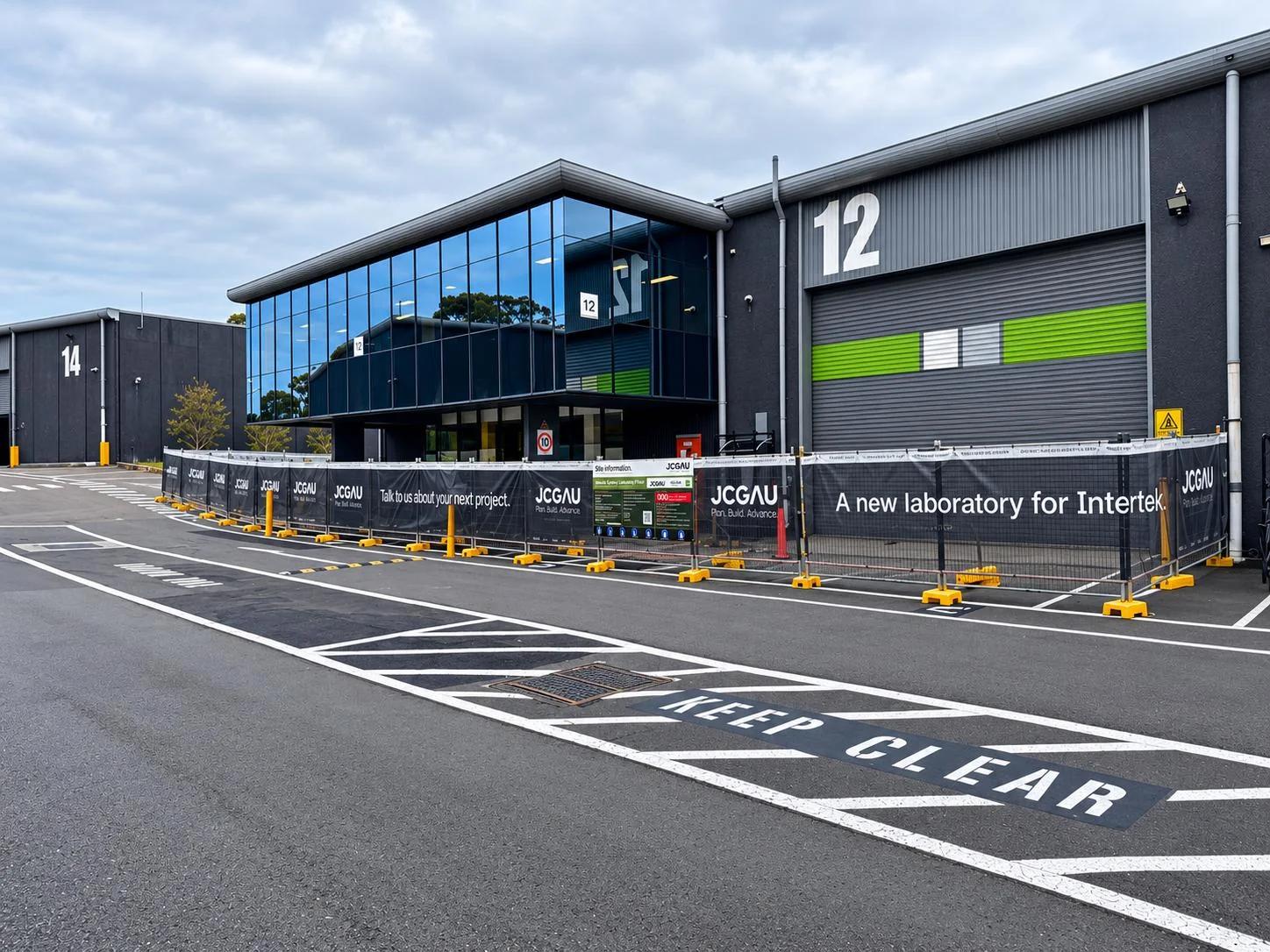 JCGAU
Labs & Research Facilities
Intertek Sydney Laboratory
Intertek Testing Services · Botany, NSW · In progress
- JCGAU
Labs & Research Facilities
Intertek Melbourne Laboratory Feasibility
Intertek Testing Australia · Melbourne, VIC · Delivered
- Prior firm
Aged Care
AVEO Carisfield
AVEO · Complete
- Prior firm
Aged Care
AVEO Riverview
AVEO · Complete
- Prior firm
Education
Le Fevre High School
The education department · Complete
- Prior firm
Education
Mount Barker High School
The education department · Complete
- Prior firm
Education
Parafield Gardens High School
The education department · Complete
- Prior firm
Education
SAE campus
Navitas · Complete
- Prior firm
Education
St Columba College Stage 2
Complete
Prior firm: the director’s contribution at a previous firm, not JCGAU-delivered work.
Also within commercial construction
New Builds
From an empty site to practical completion, on one contract. Offices, education and community facilities, clinics and mixed-use buildings.Fitout & Refurbishment
Office, workplace and commercial fitout, including staged refurbishment of buildings that stay occupied and trading.End of Lease Defit
Back to base building, documented against the lease. Strip-out and make-good for commercial tenancies, scoped from the lease and priced line by line.
Related
New Builds
From an empty site to practical completion, on one contract. Offices, education and community facilities, clinics and mixed-use buildings.Delivery Models
Turnkey design and construct, with no client-side manager required. Four ways to buy a building, and what each one leaves on your side of the table.Industrial Design & Construction
Priced once, with the engineering carried inside the contract. Design and construct on a performance brief written in numbers.
Where to go next
Commercial new builds
A building from the ground up, and the approvals path that comes with it.Fitout and refurbishment
Working inside an existing building, including one that has to keep operating.Delivery models
Construct only, design and construct, managing contractor and early involvement.Commercial construction
Offices, retail, hospitality and institutional work, from fitout to new build.How we work
How we price, procure, administer and report, described as mechanisms you can test.
Questions
Is design and construct cheaper?
Not inherently. It is more certain earlier, which is a different and often more valuable thing. A contractor pricing a brief prices the risk in that brief. A vague brief is priced with contingency, and you pay for it either way.
Can we still choose the finishes?
Yes, if the brief says so. Nominate them, or set a prime cost or provisional sum with a selection date. What does not work is assuming a standard that was never written down.
What if we already have a design?
Then novation is probably the right structure. We can also price a traditional contract against a completed design set. We will tell you which we think suits your project rather than which suits us.
Who carries the design professional indemnity?
The consultants carry theirs, and the contractor carries its own design liability under the contract. The interaction is worth having your lawyer look at, particularly after novation.
How developed does the design need to be before you can price it?
Far less than most people expect, if the brief is good. Far more than most people expect, if it is not.
Bring us the brief, even a rough one.
We will tell you where it is doing enough work and where it is leaving you exposed, before anyone tenders anything.