Make-good is defined by your lease. That is the document we scope from.
End-of-lease defit, strip-out and make-good for commercial tenancies across South Australia, Victoria and New South Wales. Scoped from the lease, priced line by line.
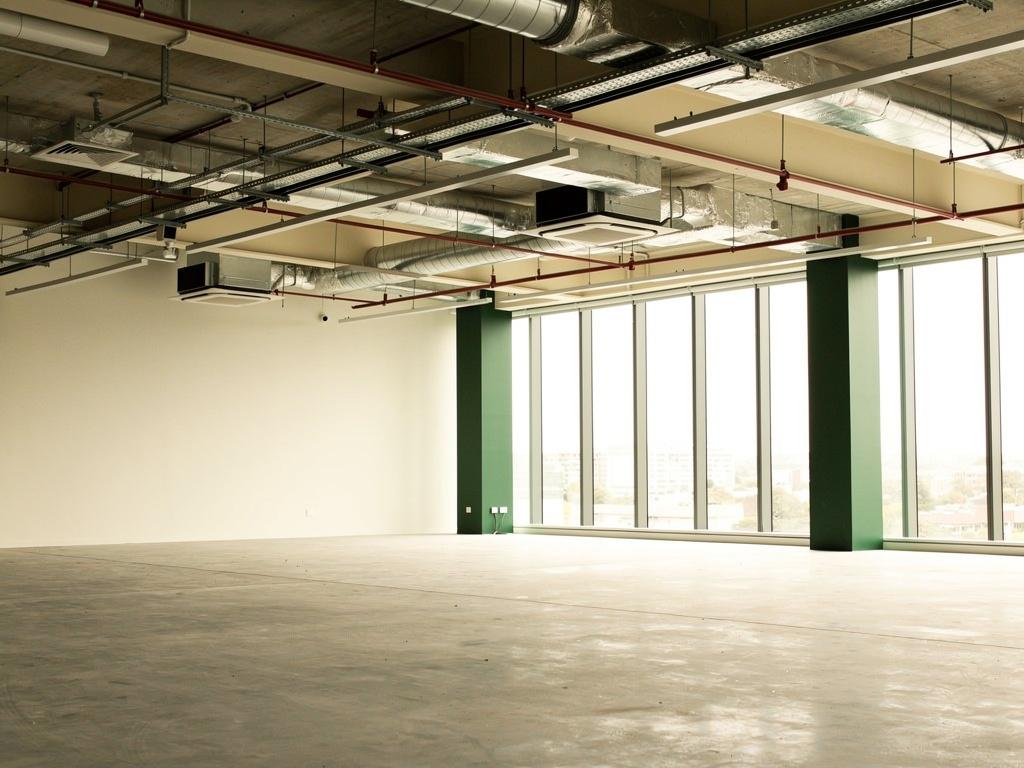
- Documents that decide the scope: lease, condition record, fitout history
- 3
- Project capacity under a single contract
- $20m
- States we build in: South Australia, Victoria and New South Wales
- 3
- Of the scope traceable to a clause or a photograph
- 100%
The premise
Most tenants pay for a make-good larger than the one they owe.
Not because anyone is acting badly. Because the lease was filed in 2019, nobody photographed the tenancy on day one, and the scope arrives with six weeks to go.
By the time a make-good scope lands, the tenant is usually mid-relocation, short of time and without the documents that would let them discuss it properly. The scope gets accepted, and it can include removing a ceiling grid, a partition line or a floor covering that was in the tenancy before the tenant ever arrived.
The work itself is not complicated. Strip-out is one of the more straightforward things a builder does. The value is entirely in the scope, and the scope is entirely in the documents.
Decision path for an end-of-lease make-good. Start by reading the make-good clause in the lease, then establish the condition at the start of the lease, then separate your own fitout from what you inherited. This produces a defined scope, which leads to a choice between doing the works or negotiating a cash settlement with the landlord. Without the first three steps there is nothing to discuss the scope against, so it is settled on the only information available.
1
The clause
What does the lease actually require? Not what is customary.
2
The condition
What did the tenancy look like on day one? Schedule, photos.
3
The provenance
Which parts are your fitout, and which did you inherit?
A defined scope
Priced, and defensible line by line.
Do the works
on your programme
Settle in cash
against a real number
Skip steps 1 to 3 and this happens instead
A scope arrives. With no lease analysis, no condition record and no provenance, there is nothing to discuss it against, so it is settled on the only information available, which may include items that pre-date your tenancy.
The scope review
What we do before we price anything.
- ReadThe make-good clause, the permitted use, the fitout approval and any side letters. Leases differ far more than people assume, some require base building condition, some require the condition at commencement, some require only that approved alterations be reinstated.
- EstablishThe condition at commencement, from the schedule of condition if one exists, from the original fitout drawings, or from whatever photographic record can be assembled.
- SeparateYour fitout from what you inherited, element by element. This is the line item that most often moves the number.
- PriceLine by line against that scope, so that each item can be discussed on its own rather than as a lump sum nobody can interrogate.
The negotiation
Doing the works and paying a settlement are both legitimate. They are not the same number.
- Doing the works
- You control the programme, the standard and the contractor. Suits a tenancy where the scope is clear, access is available and the landlord has no incoming tenant waiting.
- Cash settlement
- Frequently faster and sometimes cheaper, particularly where the landlord already intends to strip the floor for an incoming tenant, in which case some of the make-good you would perform is work they were going to undo anyway. That argument only works if you can price the scope properly first.
- The incoming tenant question
- Always worth asking. If the floor is being reconfigured, a full reinstatement may be genuinely wasteful, and landlords are often open to a commercial answer when it is put to them with a costed scope rather than as a request.
- Timing
- A make-good discussion opened twelve months before expiry is a negotiation. Opened six weeks before, it is an acceptance. The single highest-value thing a tenant can do is start early.
- What we do not do
- We do not give legal advice on your lease. We scope, price and build, and we tell you what we can see in the document. Where the interpretation matters, your lawyer should read it.
The work is simple. The scope is the whole project.
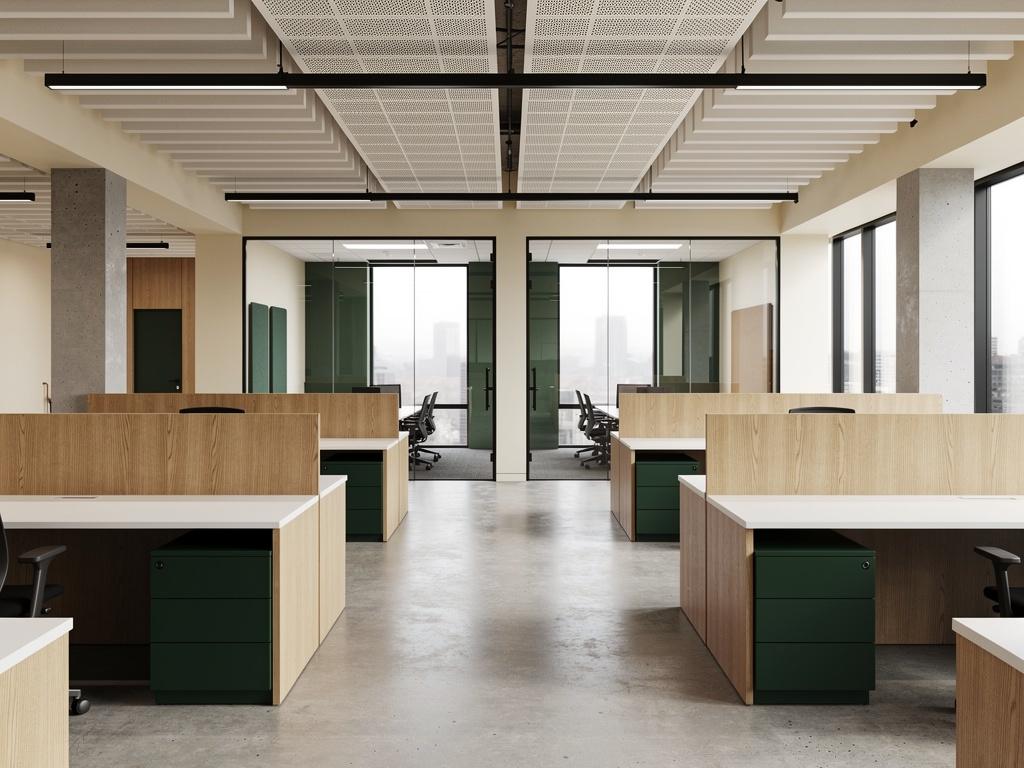
The works
What a defit actually involves.
- Strip-outPartitions, ceilings, floor coverings, joinery and fitout services back to the required condition, which is the condition the lease names, not the emptiest possible room.
- Services reinstatementAir conditioning returned to base building configuration, electrical and data removed back to the point of connection, fire services returned to the certified base building layout. This is where make-good becomes technical rather than physical.
- CertificationModified fire and essential safety systems need to be re-certified. A make-good that leaves a system uncertified is not complete, however empty the floor looks.
- Patching and finishesWall and ceiling patching, painting where required, and floor preparation. Usually the largest visible portion and the easiest to over-scope.
- Waste and recoverySeparated for recycling, with tracking. Where a client has a corporate reporting obligation this becomes a deliverable rather than a courtesy.
- Evidence of completionPhotographs, certificates and a sign-off pack, because the landlord’s acceptance is the end of the obligation and it should be documented.
Projects
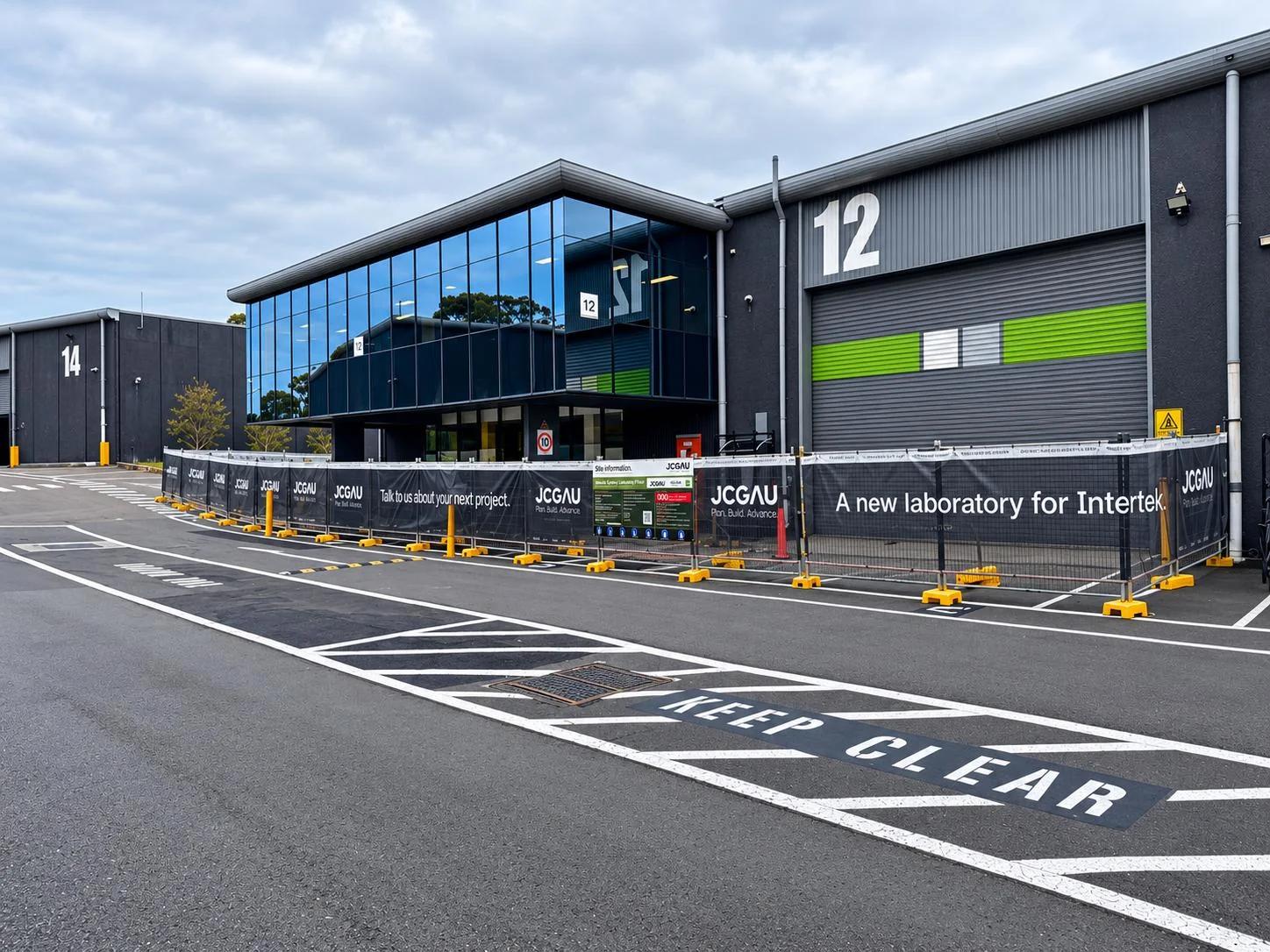 JCGAU
Labs & Research Facilities
Intertek Sydney Laboratory
Intertek Testing Services · Botany, NSW · In progress
- JCGAU
Labs & Research Facilities
Intertek Melbourne Laboratory Feasibility
Intertek Testing Australia · Melbourne, VIC · Delivered
- Prior firm
Aged Care
AVEO Carisfield
AVEO · Complete
- Prior firm
Aged Care
AVEO Riverview
AVEO · Complete
- Prior firm
Education
Le Fevre High School
The education department · Complete
- Prior firm
Education
Mount Barker High School
The education department · Complete
- Prior firm
Education
Parafield Gardens High School
The education department · Complete
- Prior firm
Education
SAE campus
Navitas · Complete
- Prior firm
Education
St Columba College Stage 2
Complete
Prior firm: the director’s contribution at a previous firm, not JCGAU-delivered work.
Also within commercial construction
New Builds
From an empty site to practical completion, on one contract. Offices, education and community facilities, clinics and mixed-use buildings.Design & Construction
One point of accountability. The design and the price move together. Design and construct, and novated design and construct, for commercial projects.Fitout & Refurbishment
Office, workplace and commercial fitout, including staged refurbishment of buildings that stay occupied and trading.
Related
Fitout & Refurbishment
Office, workplace and commercial fitout, including staged refurbishment of buildings that stay occupied and trading.Industrial End of Lease Defit
Strip-out and make-good, with the waste stream accounted for. Slab, coatings, racking, bunding and external areas scoped from the lease.Client-Side Project Management
Representing the client, not the builder. Project manager, superintendent or contract administrator on somebody else’s build. On any one project we do this or we build, never both.
Where to go next
Fitout and refurbishment
Working inside an existing building, including one that has to keep operating.Industrial defit and make good
Handing an industrial tenancy back in the condition the lease requires.Client-side project management
Where you want us acting for you rather than building for you.Commercial construction
Offices, retail, hospitality and institutional work, from fitout to new build.
Questions
Who decides what make-good means?
The lease does. Not convention, not the last building you were in, and not what a contractor tells you is normal. If the clause is ambiguous, that ambiguity is usually worth money to you rather than against you.
Do we have to put back walls we never took down?
Not if they pre-date your tenancy and you can show it. That is exactly what the condition record and the provenance step are for.
The landlord wants a cash settlement. Is that good or bad?
It can be either, and you cannot tell which without a priced scope. Settle against a number you have built up yourself, never against one handed to you.
What if the incoming tenant is going to strip it anyway?
Then some of the reinstatement is work that will be undone, and that is a reasonable thing to raise. It only works as an argument if you can price what you are giving up.
Do we need to remove the ceiling grid?
Depends on whether you installed it. This single item moves the number on more make-good scopes than any other.
When should we start?
Twelve months out. Opened early it is a negotiation; opened at six weeks it is an acceptance.
When should we start thinking about make-good?
Twelve months before expiry, and ideally when you sign. The clause is negotiable at signing and effectively fixed afterwards.
The landlord has sent us a scope. Can you just price it?
We can, and we will also tell you which items we think sit outside the lease obligation. You can then decide what to challenge. Pricing it without reading the lease would be doing half the job.
We have no schedule of condition. Is that fatal?
No, but it makes the provenance step harder. Original fitout drawings, approval correspondence, old photographs and even marketing images of the floor can all help establish what was there.
Can you do the works after hours or in stages?
Yes. Buildings frequently require it, and a staged strip-out can allow partial handback earlier, which sometimes stops rent.
Do you also do industrial make-good?
Yes, and it is a different problem. Floor coatings, racking, bunding and plinths rather than ceilings and partitions. There is a separate page for it.
Send us the lease and a floor plan.
We will read the make-good clause and tell you what we think you actually owe, before anyone prices a strip-out.