Industrial make-good is a different problem.
End-of-lease defit for warehouses, distribution centres and manufacturing tenancies across South Australia, Victoria and New South Wales, where the slab, the coatings and the ground matter more than the partitions.
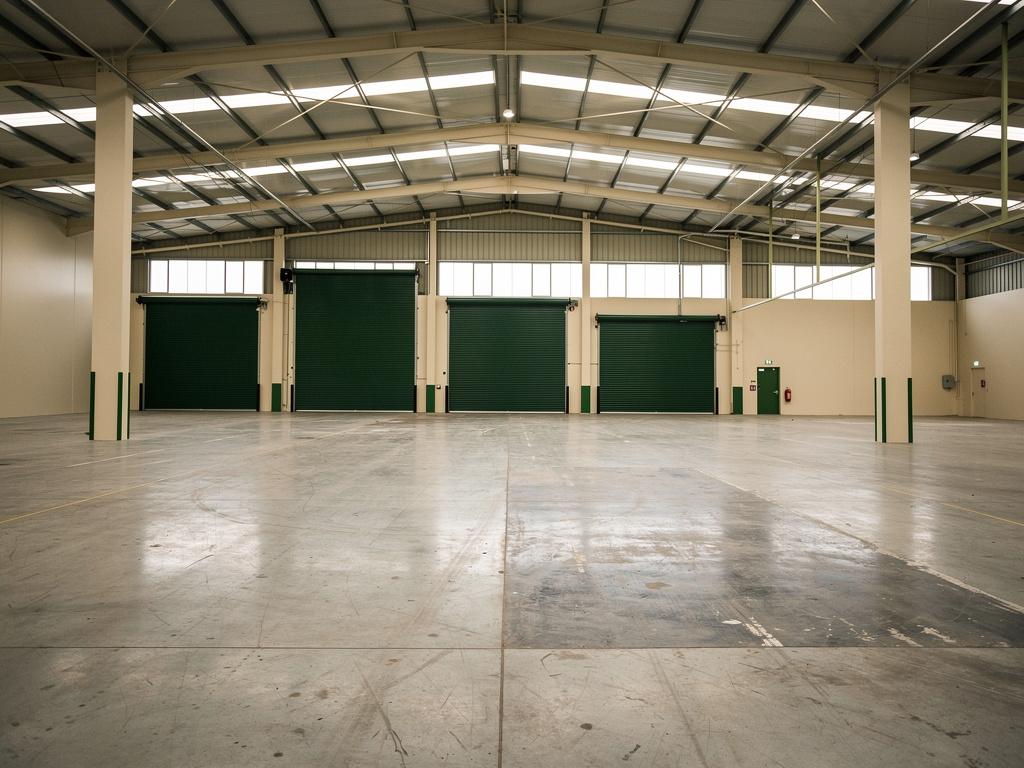
- Documents that decide the scope: lease, condition record, fitout history
- 3
- Project capacity under a single contract
- $20m
- States we build in: South Australia, Victoria and New South Wales
- 3
- Of the scope traceable to a clause or a photograph
- 100%
The premise
An office make-good is about what you built. An industrial one is about what you did.
Twenty years of forklift traffic, a bunded chemical store and a line of machine plinths are not fitout. They are evidence of use, and the lease may or may not make them yours to remove.
Office make-good is a reasonably contained problem: partitions, ceilings, floor coverings, services back to the point of connection. Industrial make-good reaches into the fabric of the building and sometimes into the ground beneath it.
The slab shows where the racking stood and where the reach trucks turned. The floor coating has worn where the traffic ran. There are plinths where machines were bolted down, penetrations where services were run, bunding around what used to be stored, and a compound outside that has been used for something for twenty years.
None of that is automatically your obligation. All of it is negotiable if you have the documents, and expensive if you do not.
Rack base plates
anchor holes, coating shadow
Worn coating
along the traffic run
Machine plinth
cast in, cut out or left
Joint spalling
wear, or damage?
Bunded store
and what it was protecting
Five separate items, five separate arguments. The lease decides which of them are yours.
The scope
What an industrial make-good actually reaches.
| Element | The question | Where it gets argued |
|---|---|---|
| Floor coating and line marking | Was the coating yours, or was it there when you arrived? | Wear is not damage. A coating that has done twenty years of its intended job has performed, not failed, unless the lease says otherwise. |
| Slab damage | Impact damage, joint spalling and cracking under rack legs. | The line between fair wear and tear and damage. This is the single most contested item on an industrial make-good. |
| Racking and mezzanines | Removal, and what the removal reveals underneath. | Anchor holes, base plate impressions and coating shadow. Removal is easy; reinstating the floor beneath is the cost. |
| Machine plinths and bases | Cut out and reinstate, or leave? | Frequently negotiable, particularly where an incoming tenant has a similar use. |
| Bunding and chemical storage | Removal, and the condition of what it was protecting. | This is where an environmental question can appear, and it is better raised early by you than late by anyone. |
| Services and penetrations | Compressed air, process water, three-phase runs, exhaust and dust extraction. | Capping versus full removal. The lease wording usually decides, if anyone reads it. |
| External areas | Hardstand condition, external storage, waste compounds, staining. | Often forgotten in the scope and then added late, which is the worst time to price anything. |
| Contamination | Only relevant to some uses, but where it is relevant it dominates everything else. | This is a specialist assessment, not a builder’s opinion. We would tell you to get one rather than guess. |
Wear is not damage. But you need a record to make that argument.
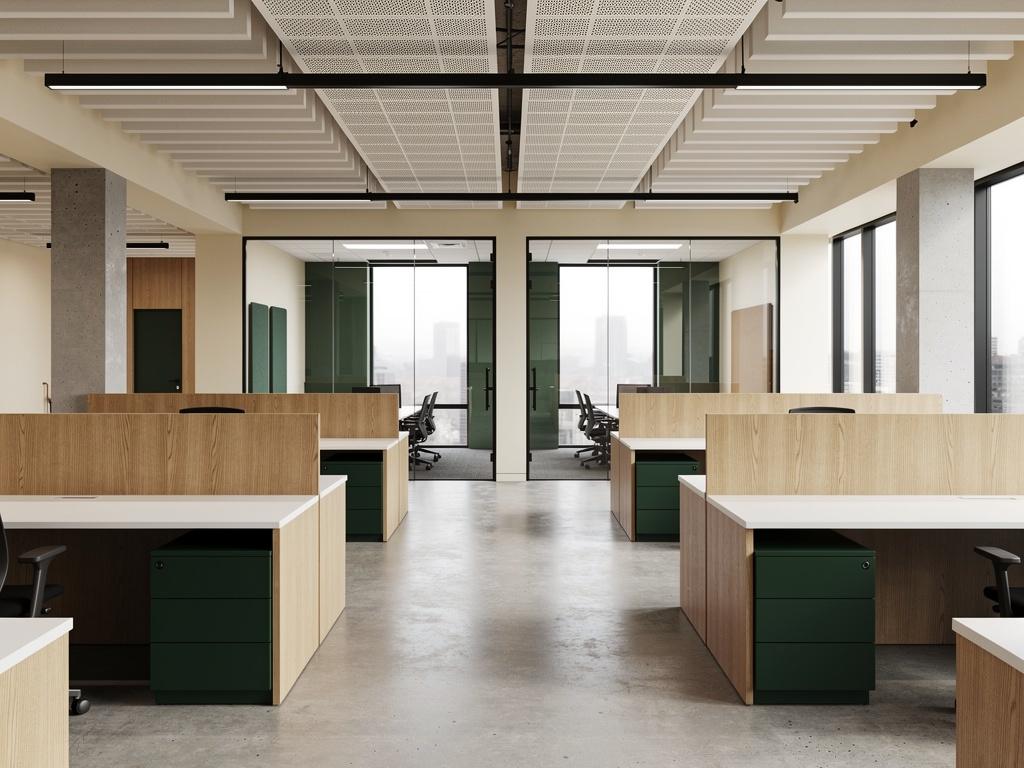
The approach
The same three steps, applied to a harder problem.
- ReadThe make-good clause, the permitted use and the fitout approval. Industrial leases often contain a specific reinstatement schedule, and it is worth more than any assumption about what is customary.
- RecordThe condition at commencement, and the condition now, photographed properly. On an industrial tenancy the photographic record is doing most of the work.
- SeparateWear from damage, your works from your predecessor’s, and obligation from expectation. This is where the number moves.
- PriceLine by line, so each item can be conceded or contested on its own merits rather than as part of a lump sum.
Environmental
The item that is not a construction question.
Where a tenancy has stored or processed chemicals, fuels or other regulated substances, the make-good conversation can include a site condition assessment. That is a specialist environmental matter with regulatory consequences, and it is not something a builder should be offering a view on.
What we will do is flag it early, so that it is being assessed by the right people on your timetable rather than surfacing late in the process. A contamination question that appears six weeks before expiry is a very poor negotiating position.
Projects
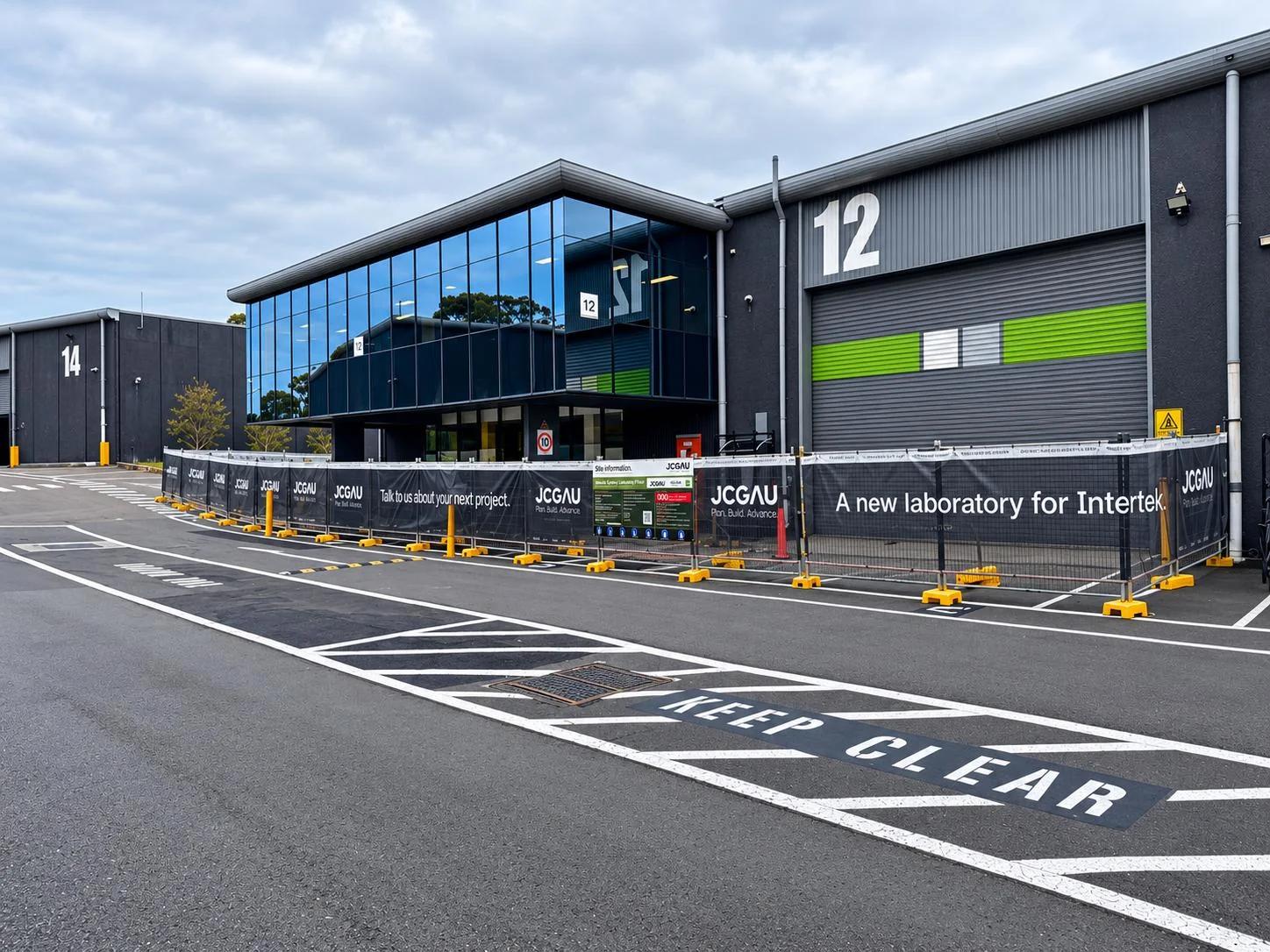 JCGAU
Labs & Research Facilities
Intertek Sydney Laboratory
Intertek Testing Services · Botany, NSW · In progress
- JCGAU
Labs & Research Facilities
Intertek Melbourne Laboratory Feasibility
Intertek Testing Australia · Melbourne, VIC · Delivered
- Prior firm
Aged Care
AVEO Carisfield
AVEO · Complete
- Prior firm
Aged Care
AVEO Riverview
AVEO · Complete
- Prior firm
Education
Le Fevre High School
The education department · Complete
- Prior firm
Education
Mount Barker High School
The education department · Complete
- Prior firm
Education
Parafield Gardens High School
The education department · Complete
- Prior firm
Education
SAE campus
Navitas · Complete
- Prior firm
Education
St Columba College Stage 2
Complete
Prior firm: the director’s contribution at a previous firm, not JCGAU-delivered work.
Also within industrial construction
Industrial New Builds
Portal frame, hardstand and the services that make the warehouse work. Greenfield warehouses and manufacturing facilities.Industrial Design & Construction
Priced once, with the engineering carried inside the contract. Design and construct on a performance brief written in numbers.Industrial Fitout & Refurbishment
Office, amenities and plant inside an operating facility. Re-racking, dock upgrades, cold storage, plant rooms and services replacement.
Related
End of Lease Defit
Back to base building, documented against the lease. Strip-out and make-good for commercial tenancies, scoped from the lease and priced line by line.Industrial Fitout & Refurbishment
Office, amenities and plant inside an operating facility. Re-racking, dock upgrades, cold storage, plant rooms and services replacement.Industrial Construction
Warehouse, distribution and services-heavy facilities. We build the enclosure around the operation that has to run inside it, and we start from the operation, not from the building.
Where to go next
Industrial fitout and refurbishment
Office, amenities and production areas inside a working industrial building.End of lease defit and make good
Scoping, pricing and executing the obligation before the lease date decides it for you.Industrial construction
Warehouses, distribution and production facilities, and the fitout inside them.Client-side project management
Where you want us acting for you rather than building for you.
Questions
The landlord wants the floor coating replaced. Do we have to?
It depends on the lease and on whether the coating was yours. If it was there when you arrived, and it has simply worn through normal use, that is a different conversation from damage. Neither of us can settle it without the documents.
Do we have to remove the racking?
Usually, if it was your installation. What is more often negotiable is what happens to the floor underneath it once it is out.
When should we start?
Twelve months before expiry. Industrial make-good has longer lead items than an office make-good, environmental assessment in particular, and a compressed timeline removes every option except agreeing.
Can you do it in stages as we vacate?
Yes, and it often reduces the cost. Areas released progressively can be worked as they empty rather than everything waiting on the last pallet.
Would you consider a cash settlement instead?
It is frequently the better outcome, particularly where an incoming tenant has a similar use and would undo half the work. But you can only argue it with a properly priced scope in hand.
Send us the lease and some photographs.
We will tell you what we think you owe and what we think is arguable, before anyone prices a strip-out.