What we build in Sydney.
Commercial and industrial construction, laboratory design and construct, fitout and refurbishment across metropolitan Sydney and New South Wales.
- State
- New South Wales
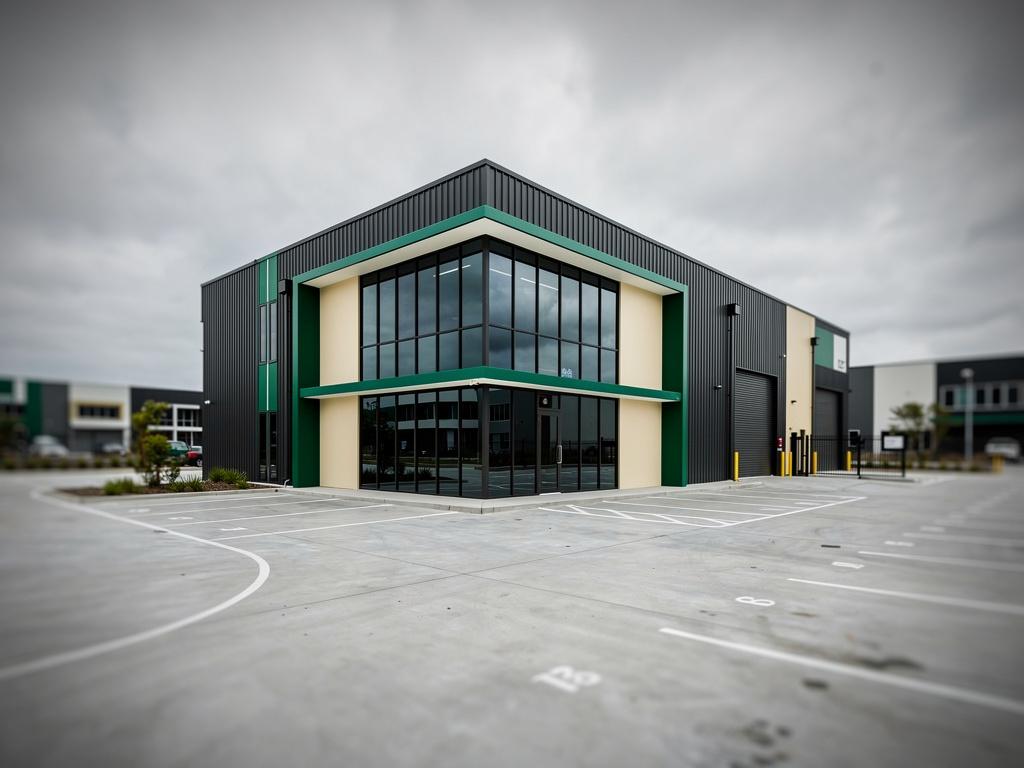
- Laboratory for Intertek Testing Australia, Sydney
- 1,305 m²
- Feasibility first, then the design and construct commission
- D&C
- Project capacity under a single contract
- $20m
- JCGAU builder licence
- BLD 344769
The record
The strongest thing we can show you is a current job.
Intertek Testing Australia engaged JCGAU for the Sydney laboratory feasibility, then for the design and construct commission that followed it.
That progression is the part worth reading. A feasibility is a low-risk way for a client to find out whether a builder actually understands their problem. Intertek ran that test and then gave us the build, and they have consented to being named here.
The facility is a laboratory of more than 1,305 square metres in Sydney’s southern industrial area. It is a Class 8 and Class 5 building under a complying development pathway with an appointed principal certifier, which is the ordinary route for this kind of work in New South Wales.
- Client
- Intertek Testing Australia
- Scope
- Feasibility, then design and construct
- Area
- More than 1,305 m²
- Building class
- Class 8 and Class 5
- Named with consent
- Yes
Coverage
People and projects in three states.
Coverage across three cities. JCGAU holds building registrations in its own name in South Australia and in Victoria, and has people on the ground in all three states. South Australia is covered by licensed builder BLD 344769, with the head office and estimating team in Adelaide. Victoria is covered by two standalone Victorian registrations, commercial builder CCB-L 100384 and domestic builder CDB-U 101761, working under the building permit and occupancy permit path. New South Wales is delivered under the design and building practitioner regime, with the Intertek laboratory taken from feasibility through to a design and construct commission. The point of the diagram is that each state stands on its own registrations and its own team rather than being served from one city.
South Australia
Adelaide
- Licensed builder BLD 344769
- Teams across South Australia
- Commercial, industrial, fitout
- Head office and estimating
What is live here
15+ years of delivery behind the director
Victoria
Melbourne
- Registered builder CCB-L 100384
- Domestic builder CDB-U 101761
- Teams across Victoria
- Building permit path
What is live here
Intertek laboratory feasibility, delivered
New South Wales
Sydney
- Teams across New South Wales
- Design and building practitioner
- Commercial and industrial
- Laboratory and workplace
What is live here
Intertek: feasibility, then design and construct
Registrations held in the company name in South Australia and Victoria, teams on the ground in all three states, and one director accountable for every project in all of them.
What we build here
The work we take in Sydney.
Laboratory and research
Containment, pressure regime, benching, fume and cabinet selection, and the commissioning evidence a regulator will ask for.
Workplace and office fitout
CBD, North Sydney, Parramatta and suburban tenancies, with base building capacity confirmed in writing before design.
Industrial and warehouse
Southern and western Sydney industrial estates. Racking, docks, slabs and the services that decide whether a facility works.
Refurbishment and defit
Occupied buildings, staged works, and end-of-lease make-good scoped from the lease.
New South Wales context
The compliance regime is heavier here, and that suits us.
- Design and building practitioners
- New South Wales requires designs for certain building work to be declared by a registered practitioner, and the builder to declare that the work was built to those declared designs. It applies before construction, not at completion, and it rewards contractors who document properly.
- Development consent or complying development
- Depending on the work and the zoning, the path is either a development application to council or a complying development certificate through a private certifier. The two have very different timelines and the choice is worth making early.
- Which design work needs specific registration
- Not every consultant on a New South Wales project needs a scheme registration. The requirement attaches to particular services design work: fire detection and alarm systems and mechanically ducted smoke control, which sit with a registered electrical or mechanical engineer respectively; and fire hydrant, hose reel, sprinkler and drencher systems and any hydraulic-type automatic suppression system, which sit with a registered hydraulic building certifier. Fire systems design also runs through the Fire Protection Association Australia accreditation scheme at qualified or transitional level. Knowing which of your consultants actually needs a registration, and which does not, saves a fortnight of chasing paperwork nobody required.
- Principal certifier
- The certifier appointment governs the inspection sequence and the occupation certificate at the end. We build the inspection points into the programme rather than discovering them.
- Aboriginal procurement
- New South Wales public sector procurement sets expectations for engaging Aboriginal businesses and for employment outcomes. We plan those from award with a named owner and monthly reporting.
- Site access and hours
- Council conditions on working hours, noise and out-of-hours work vary considerably across Sydney councils. On a tower fitout the building’s own dock and lift rules add another layer.
- Industrial land
- The southern industrial estates around Botany and the western corridor each bring their own council, stormwater and distributor considerations.
Confirmed, not assumed
Where the registration detail above comes from.
Source
The registration requirements set out above were confirmed for our Sydney project with the registered building surveyor engaged on that job. We publish regulatory detail with its source attached, because a compliance claim without a source is an opinion. Requirements change, so confirm the current position for your project rather than relying on a web page.
Intertek ran the feasibility as a test of whether we understood the problem, then gave us the build.
The first question
Maximum electrical demand, before anything else.
The most expensive thing to discover after a lease is executed is that the tenancy cannot power the business moving into it.
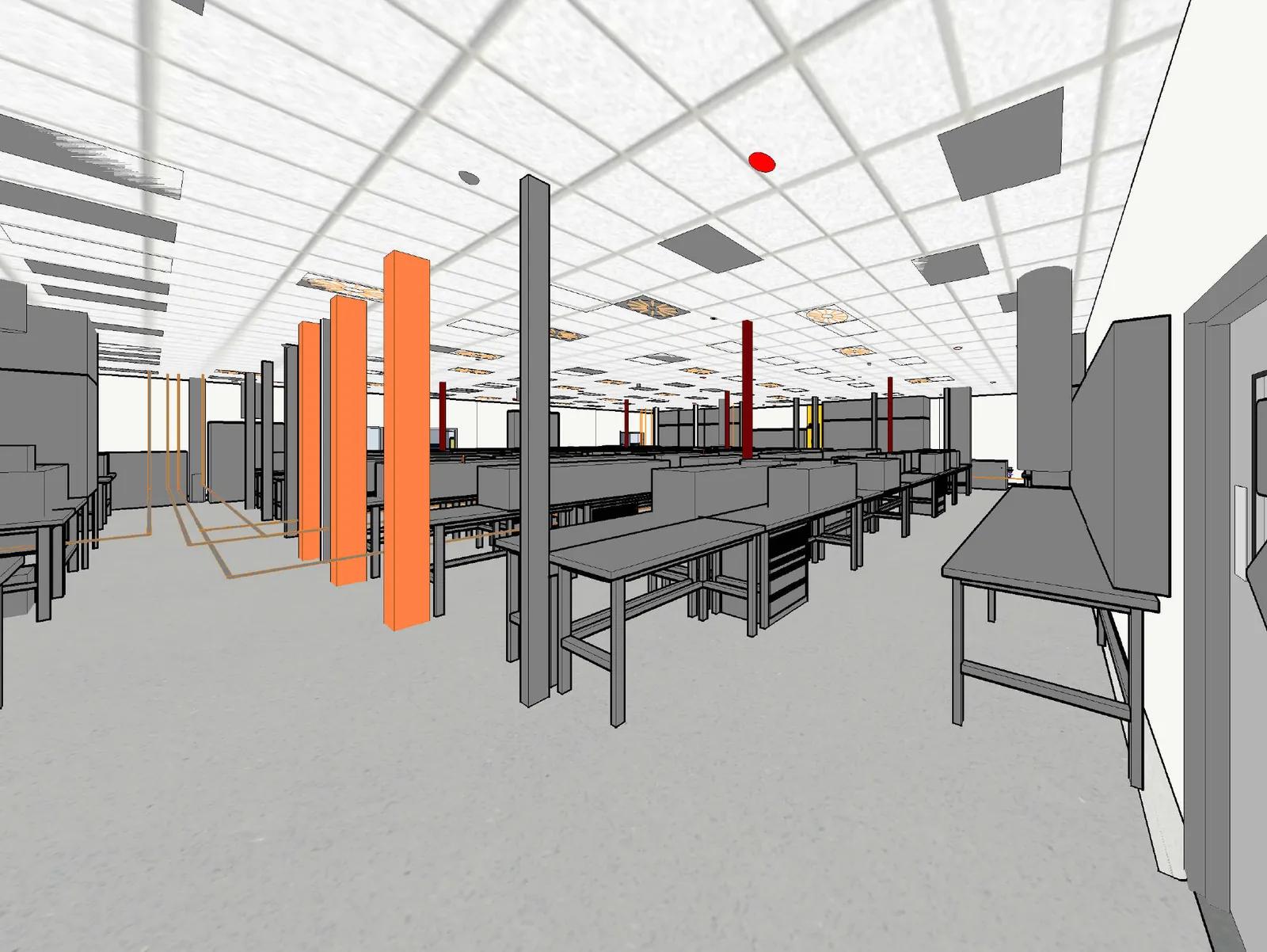
A laboratory, a test facility or a technical tenancy is electrically dense. Ovens, chillers, compressors, fume cabinets and instrumentation add to a maximum demand that has nothing in common with an office of the same floor area. On the Intertek Sydney laboratory this was the first question we asked and the first one we answered.
We establish the demand from the client’s own equipment schedule, then establish in writing what the tenancy and the wider complex can actually supply. Where the two do not meet there are two answers, and both carry a cost and a lead time: draw on spare capacity elsewhere in the complex, or apply to the network distributor for an augmentation. The client needs that number before they sign, not after the design is drawn.
People
We have people on the ground in New South Wales.
A local team, local trades and a local supply chain, working under a compliance regime that rewards contractors who document properly.
The Intertek laboratory is being delivered by people who work in New South Wales and know the certifiers, the councils and the subcontract market here. The declared design regime in this state makes local knowledge worth more than it is in some others, because the documentation has to be right before construction starts rather than reconciled afterwards.
What does not change is who is answerable. The same director carries every project in every state, so the person who prices your job is the person who runs it.
Local team
People on the ground in New South Wales, on the project rather than reporting on it.
Local supply chain
NSW trades and suppliers engaged for the work and held to their dates on our schedule.
Documentation discipline
The declared design regime here suits the way we work. We would rather build under it than around it.
One line of accountability
A director on the project from tender through to the end of the defects period.
Coverage
Three states, three teams.
South Australia
Head office, and where the JCGAU builder licence BLD 344769 is held. The South Australian team runs work here.
Victoria
An active team running Victorian projects, with Victorian trades and a Victorian supply chain.
New South Wales
An active team running New South Wales projects, currently delivering the Intertek Sydney laboratory.
One line of accountability
The same director carries every project in every state, from tender through to the end of the defects period.
Projects
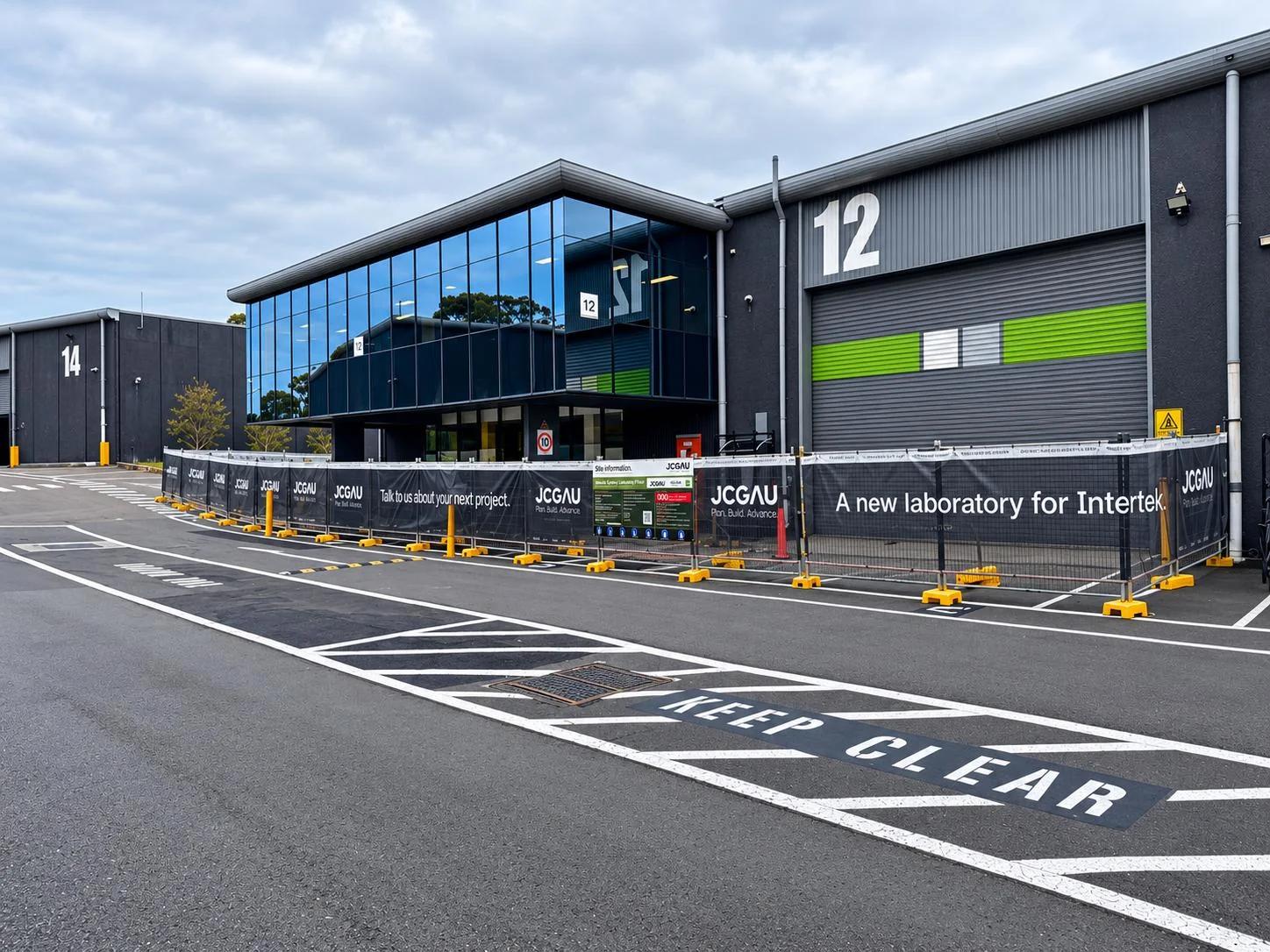 JCGAU
Labs & Research Facilities
Intertek Sydney Laboratory
Intertek Testing Services · Botany, NSW · In progress
- JCGAU
Labs & Research Facilities
Intertek Melbourne Laboratory Feasibility
Intertek Testing Australia · Melbourne, VIC · Delivered
- Prior firm
Aged Care
AVEO Carisfield
AVEO · Complete
- Prior firm
Aged Care
AVEO Riverview
AVEO · Complete
- Prior firm
Education
Le Fevre High School
The education department · Complete
- Prior firm
Education
Mount Barker High School
The education department · Complete
- Prior firm
Education
Parafield Gardens High School
The education department · Complete
- Prior firm
Education
SAE campus
Navitas · Complete
- Prior firm
Education
St Columba College Stage 2
Complete
Prior firm: the director’s contribution at a previous firm, not JCGAU-delivered work.
Where to go next
Commercial construction
Offices, retail, hospitality and institutional work, from fitout to new build.Industrial construction
Warehouses, distribution and production facilities, and the fitout inside them.Laboratories and research facilities
Containment, ventilation and equipment loads, where the services are the project.Adelaide and South Australia
Licensed builder BLD 344769, with the head office and estimating team here.Melbourne and Victoria
Registrations CCB-L 100384 and CDB-U 101761, held in the company name.Intertek Sydney laboratory
Feasibility first, then the design and construct commission that followed it.
Questions
Who will actually be on our project?
A New South Wales team on the ground and a director accountable for the whole of it. You will know both names before you sign anything.
What have you built in Sydney?
A laboratory of more than 1,305 square metres for Intertek Testing Australia, taken from feasibility through to a design and construct commission. Intertek has consented to being named and can be approached as a referee.
Do you meet the New South Wales practitioner requirements?
Ask us for the current position and we will give you an accurate answer as at the day you ask, rather than publishing one that ages on a web page.
Can you do laboratory work elsewhere in New South Wales?
Yes. We work across regional New South Wales as well as metropolitan Sydney, with the same local supply chain and the same director on the project.
Who appoints the certifier?
Usually the client, though we can coordinate it. Either way the inspection sequence goes on the programme from the start.
Ask us about the Intertek laboratory.
It is the clearest answer we can give to what JCGAU does, and Intertek has agreed to be named. A conversation about it will tell you more than a capability statement.