Where the finish schedule is the programme.
Architect-designed homes and substantial renovations in South Australia and Victoria. Documented sets nobody has built before, finishes with lead times measured in months, and a contract administered the way a commercial one is.
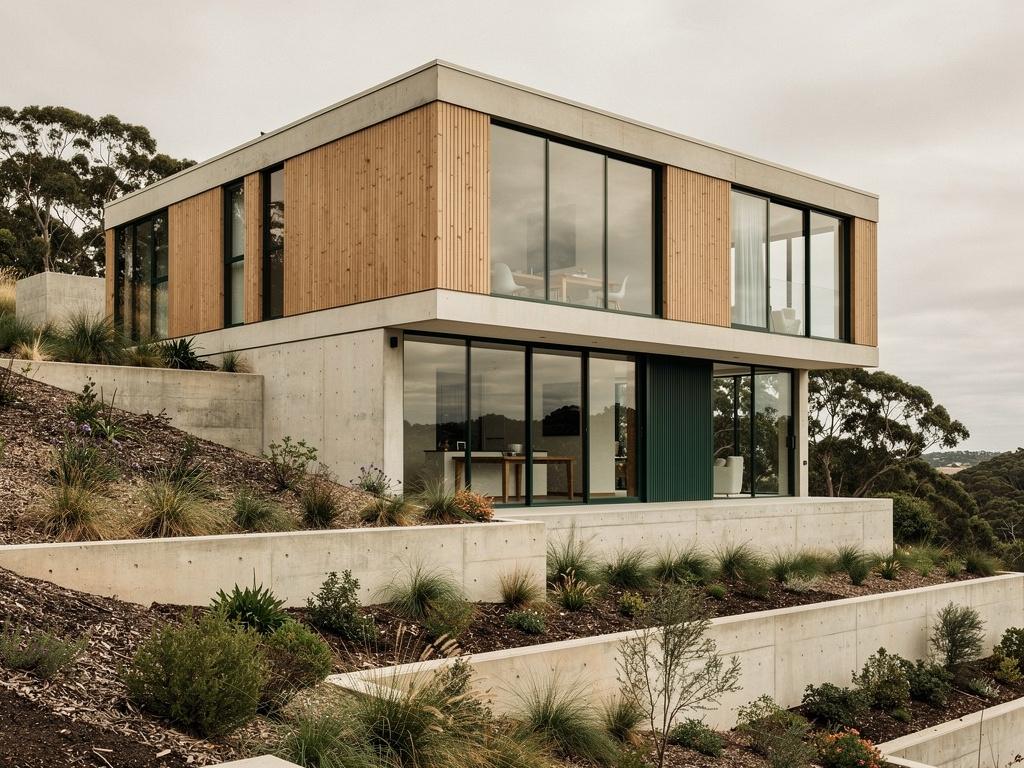
- Detached and attached dwellings, within our registrations in both states
- Class 1
- Storeys, the published limit on both registrations
- 2
- Years of the director’s delivery experience
- 15+
- Every variation priced and approved before the work happens
- 100%
The case for a commercial builder
A bespoke house has more in common with a fitout than with a home.
This is the one residential category where being a commercial builder is straightforwardly an advantage rather than a trade-off.
A high-end house is a one-off documented set, drawn by an architect, with details that have not been built before, finishes sourced rather than selected from a range, and a client who expects to understand what everything costs. That is a description of a commercial fitout with a different address on it.
The skills it rewards are the ones we use daily: reading a documented set properly before pricing it, tendering each trade on the drawings, identifying the long-lead items in the first fortnight, coordinating trades whose work overlaps in the same ceiling, and administering a contract in writing so that a change is a decision rather than an argument.
How the finish schedule drives the programme on a high-end house. Selections and long-lead items sit at the front: stone, joinery, tapware, glazing, specialist lighting and imported finishes all have lead times measured in months. The structure and the enclosure are comparatively predictable. The diagram shows that if selections are made late, the delay lands at the end of the programme where there is no float, and that the way to protect the completion date is to fix the selections early rather than to accelerate the build.
Where the completion date is actually set
months before site
Selections and long leads
Stone, joinery, tapware, glazing, specialist lighting and imported finishes are ordered here
Structure
Enclosure and services
Fitout and finish
and installed there. The gap between the two is the lead time, and it does not compress.
No float left here
A late selection lands as a late completion, one for one.
On a high-end house the build is rarely the risk. The selections are.
So we run a selections register with dates on it from the day the contract is signed, and we tell you the date after which each choice starts costing you time rather than money.
What we take
The work this page is about.
- New architect-designed homes
- Up to two storeys, on documentation prepared by your architect, or under a design and construct contract where the design and the price move together. Difficult sites, significant level change, retaining and complex ground conditions are the norm rather than the exception in this category.
- Substantial renovation and extension
- Structural alteration to an existing home, often while part of it stays occupied. Temporary support, staged weatherproofing, and the discipline of protecting what is already finished while working next to it.
- Heritage and character work
- Where a local heritage listing or a character overlay governs what can change and what has to be retained or reinstated. The approval path and the build method are the same conversation, and starting it late is expensive.
- High specification services
- Hydronic and ducted systems, home automation, integrated audio visual, pool and landscape services, and the coordination between them. The ceiling space is where these projects are won or lost, and it is worth resolving on paper first.
- Joinery and stone as a package
- Custom joinery and stone are the longest lead and the least forgiving items on the job. We treat them as a procurement problem from week one rather than a finishing trade.
The build is rarely the risk on a house like this. The selections are.
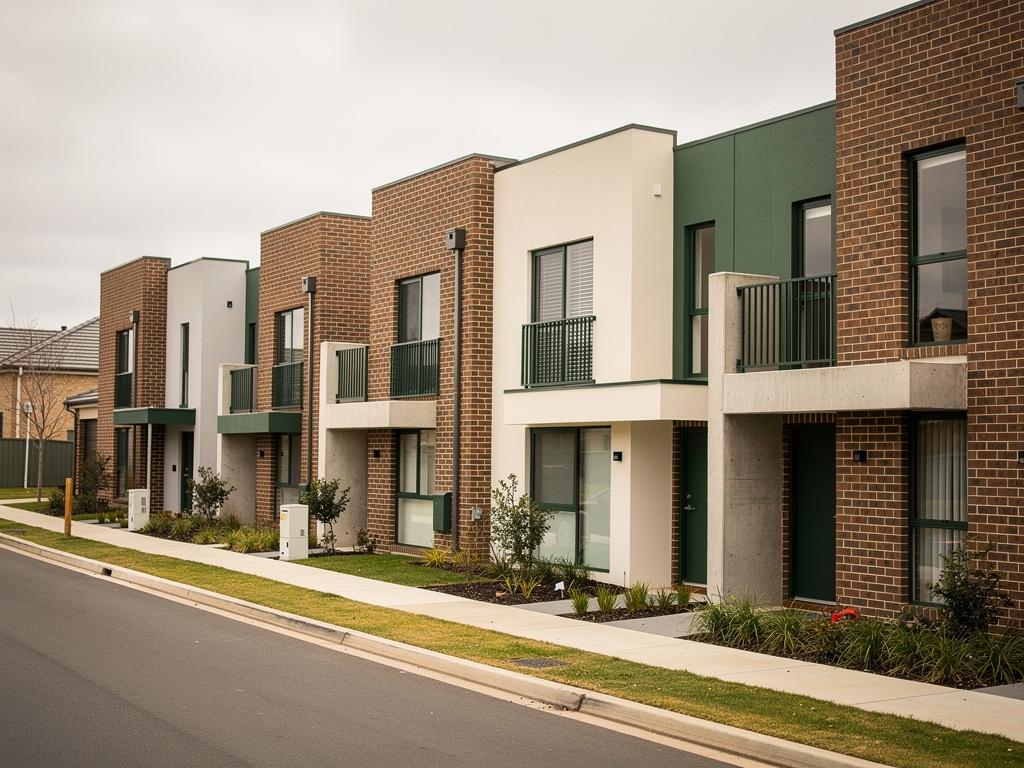
How we protect the date and the number
Four things we bring across from the way we run commercial work.
A selections register with dates
Every selection listed with the date after which it costs time rather than money. Issued at contract signing and updated fortnightly.
Trades tendered on the drawings
Each package priced against the documented set, so you can see the cost of each part of the house and make real decisions about it.
Variations approved before they happen
Priced, issued and signed before the work proceeds. On a bespoke house there will be variations. There does not need to be a surprise.
A director who is on the job
Not a supervisor with eleven other sites. That is a deliberate limit on how much work we carry at once.
Projects
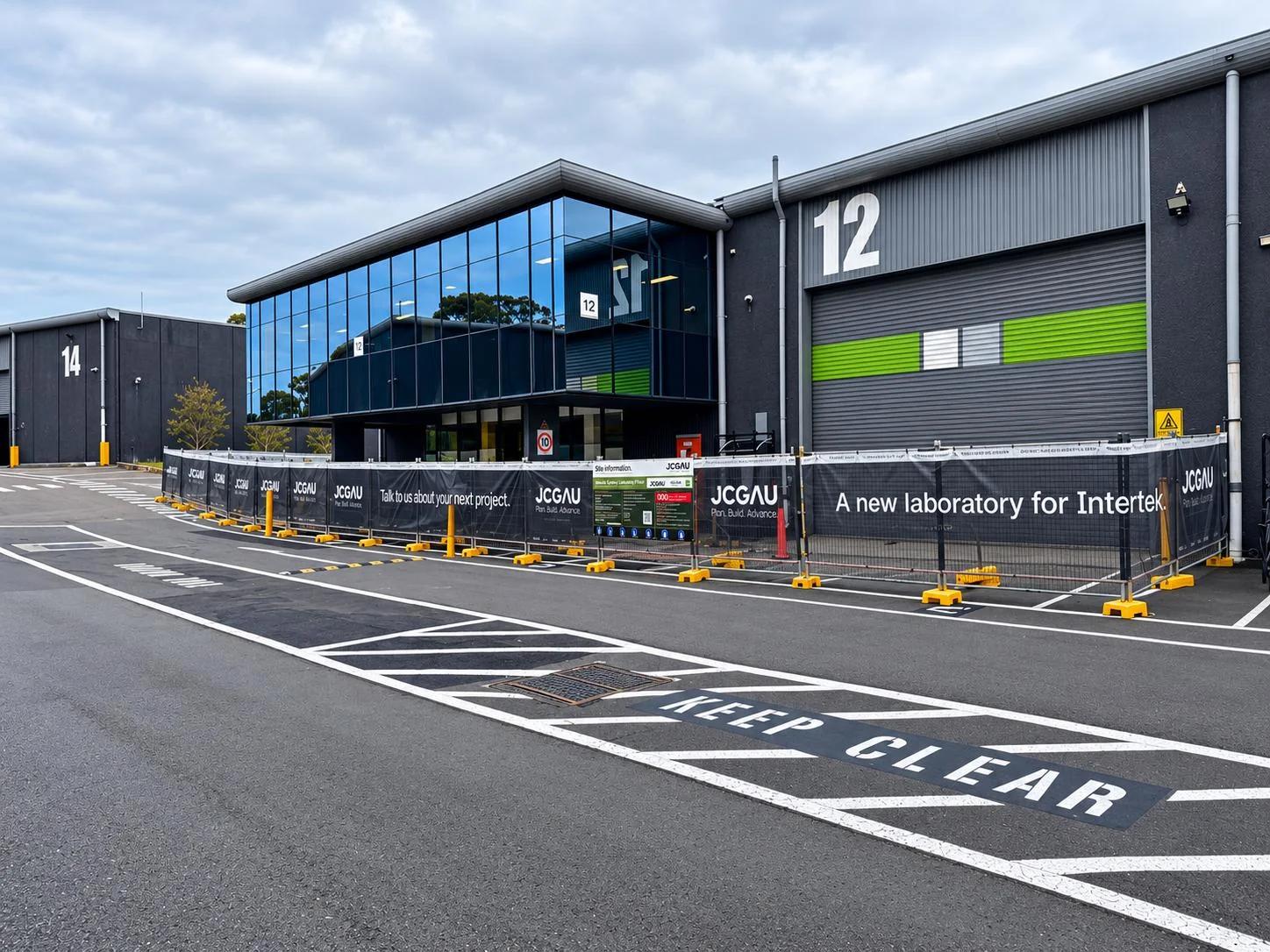 JCGAU
Labs & Research Facilities
Intertek Sydney Laboratory
Intertek Testing Services · Botany, NSW · In progress
- JCGAU
Labs & Research Facilities
Intertek Melbourne Laboratory Feasibility
Intertek Testing Australia · Melbourne, VIC · Delivered
- Prior firm
Aged Care
AVEO Carisfield
AVEO · Complete
- Prior firm
Aged Care
AVEO Riverview
AVEO · Complete
- Prior firm
Education
Le Fevre High School
The education department · Complete
- Prior firm
Education
Mount Barker High School
The education department · Complete
- Prior firm
Education
Parafield Gardens High School
The education department · Complete
- Prior firm
Education
SAE campus
Navitas · Complete
- Prior firm
Education
St Columba College Stage 2
Complete
Prior firm: the director’s contribution at a previous firm, not JCGAU-delivered work.
Related
Residential Construction
Houses up to two storeys, in South Australia and Victoria. Licensed and registered in the company name, and administered the way a commercial contract is.Medium Density & Townhouses
Repeatable detail, buildable at scale. Townhouse and terrace developments of up to around twenty dwellings at one or two storeys, down to a dual occupancy.
Where to go next
Medium density and townhouses
Townhouses, terraces and dual occupancy at one or two storeys.Residential construction
Class 1 and 10 work to two storeys in South Australia and Victoria.Design and construct
One contract carrying both the design and the price.How we work
How we price, procure, administer and report, described as mechanisms you can test.
Questions
We already have an architect. Do you work to their documentation?
Yes, and that is the usual arrangement in this category. We can also price early, while the design is developing, which is generally cheaper than discovering the number at tender.
Can you do design and construct instead?
Yes. It suits clients who want one contract and one point of accountability for both the design and the price. It suits less well where the client wants complete control of the design without a commercial constraint on it.
How do you handle a client who changes their mind?
With a written variation, priced before the work happens. Changing your mind on a bespoke house is normal and we plan for it. What causes damage is changing it verbally and discovering the cost at the next claim.
How does your price compare on a bespoke home?
On a one-off design the comparison usually runs in our favour, because we price the documented set from first principles rather than treating everything non-standard as a variation on a system built for repetition. You see the cost of each part of the house and you decide where to spend.
What is the height limit?
Two storeys. Both our South Australian licence and our Victorian domestic registration carry that condition, and we publish it rather than let you find out at contract.
Which states?
South Australia and Victoria. We do not hold a residential builder licence in New South Wales and do not take residential work there.
Send us the drawings, even if they are not finished.
An early price against a developing design is worth more than an accurate one against a set that is already too expensive to build.