Commercial work inside a building people already live in.
Communal, clinical and back-of-house work inside operating aged care and seniors’ living facilities across South Australia, Victoria and New South Wales. Commercial construction, delivered while the facility keeps running.
- Group
- Specialist and technical

- Project capacity under a single contract
- $20m
- States we build in: South Australia, Victoria and New South Wales
- 3
- Years of the director’s delivery experience
- 15+
- Every instruction priced and approved in writing
- 100%
The constraint
This is somebody’s home, and they cannot leave for the day.
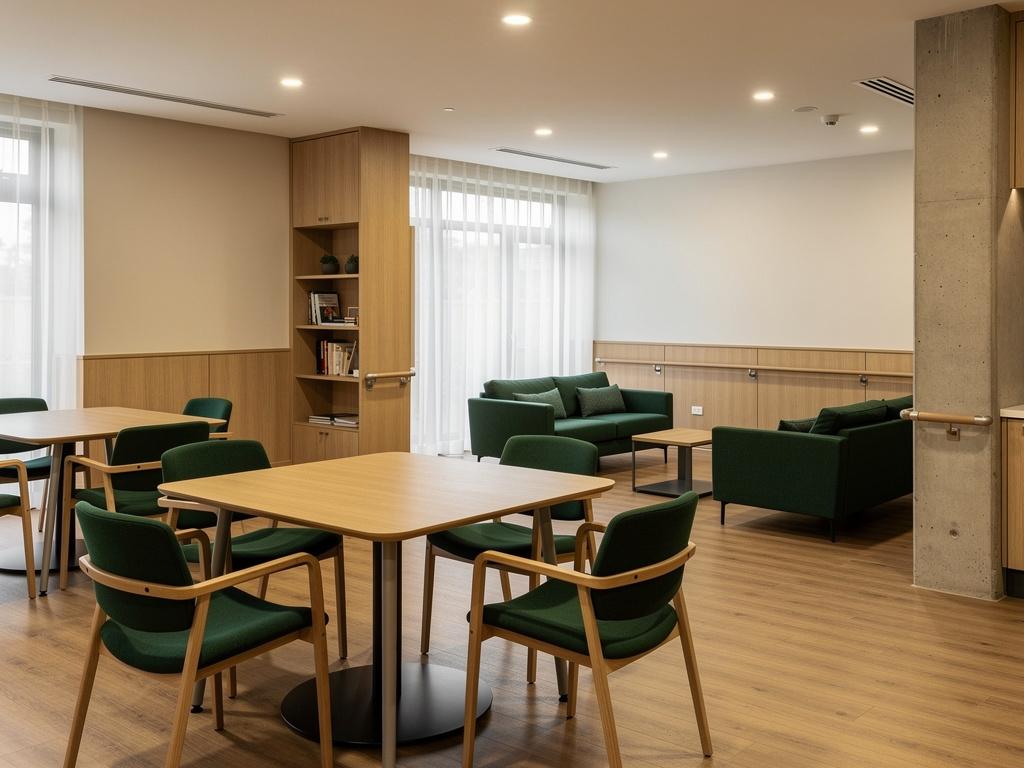
A resident in a care home has no office to work from and no other bedroom to sleep in. Everything about the way we work follows from that.
We treat aged care as a commercial sector, not a residential one. The work is refurbishment and upgrade of operating facilities: communal and dining areas, clinical and care spaces, back of house, and the compliance works an audit or an insurer asks for. We do not take residential aged care new build.
So the planning question is not how fast the work can be done. It is how few residents have to experience it, for how short a time, and how completely their day can be left alone.
One wing out of service at any time
Wing B
Prepare
The receiving wing is finished and ready before anyone moves. Care team writes the plan.
Decant wing A
Residents move once, with their own belongings, on a day the care team picks.
Works in wing A
Sealed boundary, separate access, filtration, fire systems live throughout.
Return
Wing A handed back complete, then the same sequence runs in wing B.
The number of residents who experience construction is the number in one wing, and each of them experiences it once. That is the whole reason a decant plan is worth the preliminaries it costs.
Scope
What we take, and what we do not.
A commercial scope
We take the commercial work inside aged care and seniors’ living facilities: communal and dining areas, clinical and care spaces, front of house, back of house, room and bathroom upgrades, and compliance works. We do not take residential aged care new build. If that is what you are procuring, we will say so at the first conversation and you will not waste a tender period finding out.
How we work here
The controls that matter most.
- Decant planned with the care teamWhich rooms empty, in what order, and where those residents go. This is a clinical decision made by the provider; our job is to build a programme that fits it rather than the reverse.
- Wings, not floorsWork is contained to the smallest possible area, with a hard boundary and a route that no resident needs to use.
- Wayfinding kept intactChanged routes are disorienting for residents living with dementia. Where a route must change, it changes once, with clear signage, and the care team is briefed before it happens.
- Noise scheduled around the dayQuiet during rest periods and meals. High-noise activity in agreed windows, communicated in advance to staff, residents and families.
- Dust and air handled as a health matterSealed separation and filtration, at a standard closer to a health facility than to a commercial site.
- Continuous fire and nurse call coverageDetection, sprinklers, nurse call and emergency lighting stay live. Any impairment is planned, time-bounded, notified and made good the same shift.
- Screened, briefed, consistent peopleThe same faces on site week to week, briefed on how to interact with residents. Familiarity is a genuine control in this setting.
Routine is not a preference in aged care. It is a support.
What we build
The work in this sector.
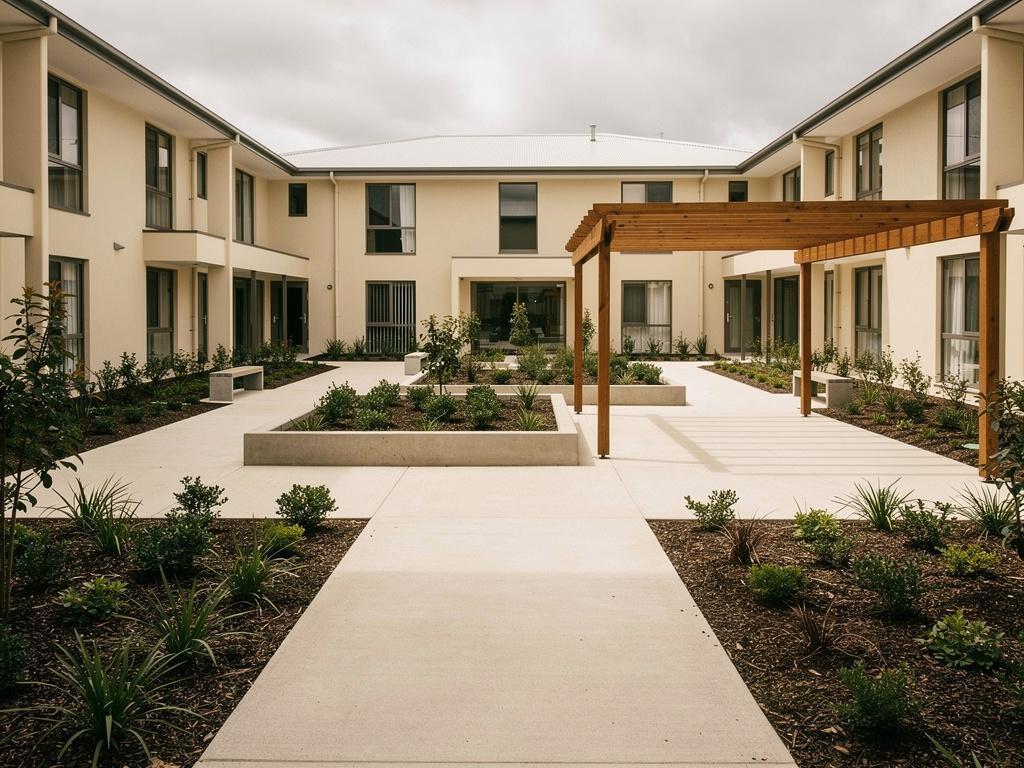
- Communal, dining and lounge
- The rooms residents use most, and therefore the ones with the shortest tolerable closure window. Usually staged with a temporary alternative provided.
- Room and bathroom upgrades
- Refurbishment of existing rooms and ensuites within an operating facility: finishes, door hardware, lighting and nurse call, delivered wing by wing to a decant plan.
- Memory support and dementia-specific areas
- Contrast, lighting levels, acoustics, secure outdoor access and finishes selected for legibility rather than fashion. Design decisions here have a clinical purpose.
- Care and clinical spaces
- Treatment rooms, medication rooms, staff stations and back of house, with the services and finishes those functions require.
- Compliance upgrades
- Fire safety, accessibility and essential services works, often driven by an audit or an insurer, and usually needing to be done without emptying the building.
- Front of house and administration
- Reception, family and visitor areas, meeting rooms and administration. The commercial fitout half of an aged care facility, and the part a prospective family sees first.
Founder’s project contributions
The director’s aged care experience includes work at AVEO Carisfield and AVEO Riverview, delivered at a previous firm. These are the founder’s prior-firm project contributions and are described as such wherever they appear. They are not JCGAU-delivered work.
Projects
 JCGAU
Labs & Research Facilities
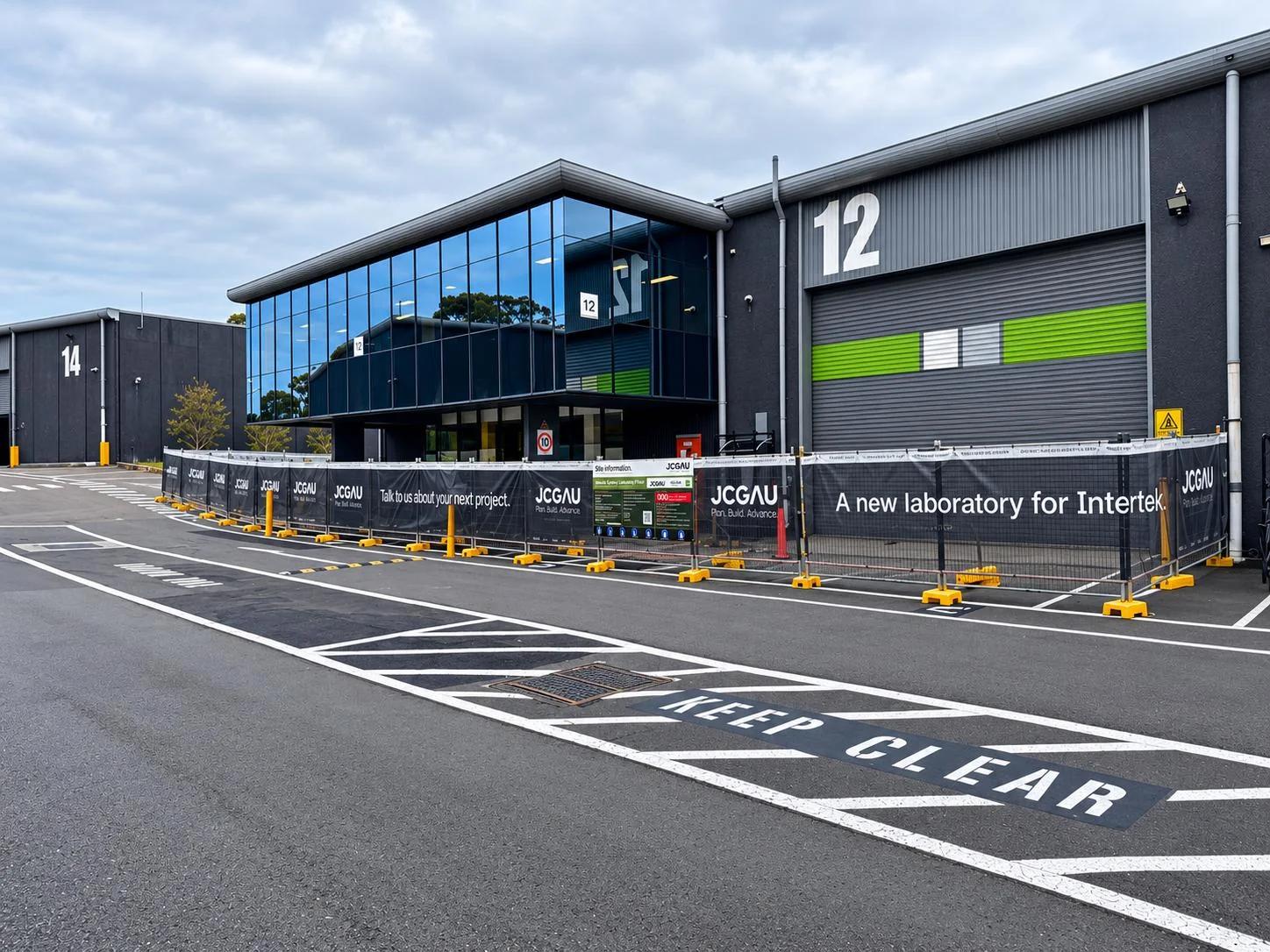
Intertek Sydney Laboratory
Intertek Testing Services · Botany, NSW · In progress
- JCGAU
Labs & Research Facilities
Intertek Melbourne Laboratory Feasibility
Intertek Testing Australia · Melbourne, VIC · Delivered
- Prior firm
Aged Care
AVEO Carisfield
AVEO · Complete
- Prior firm
Aged Care
AVEO Riverview
AVEO · Complete
- Prior firm
Education
Le Fevre High School
The education department · Complete
- Prior firm
Education
Mount Barker High School
The education department · Complete
- Prior firm
Education
Parafield Gardens High School
The education department · Complete
- Prior firm
Education
SAE campus
Navitas · Complete
- Prior firm
Education
St Columba College Stage 2
Complete
Prior firm: the director’s contribution at a previous firm, not JCGAU-delivered work.
Where to go next
Health sector construction
Clinical and consulting environments, usually alongside people still using them.Commercial construction
Offices, retail, hospitality and institutional work, from fitout to new build.Fitout and refurbishment
Working inside an existing building, including one that has to keep operating.How we work
How we price, procure, administer and report, described as mechanisms you can test.
Questions
Can you work without residents moving out?
Usually, area by area, with a decant plan your care team writes. Whole-facility closure is rarely necessary and almost never desirable.
How do you handle families?
With notice, in writing, before the work starts. Families notice change quickly and respond well to being told first.
Do you understand the accreditation environment?
We build to the provider’s requirements and we keep the records the provider needs. We do not offer advice on accreditation itself. That sits with the provider and their advisers.
Can you do one wing at a time over a long period?
Yes, and it is often the right structure. It costs more in preliminaries and less in disruption, and we will show you both so the decision is made on the numbers.
Other sectors
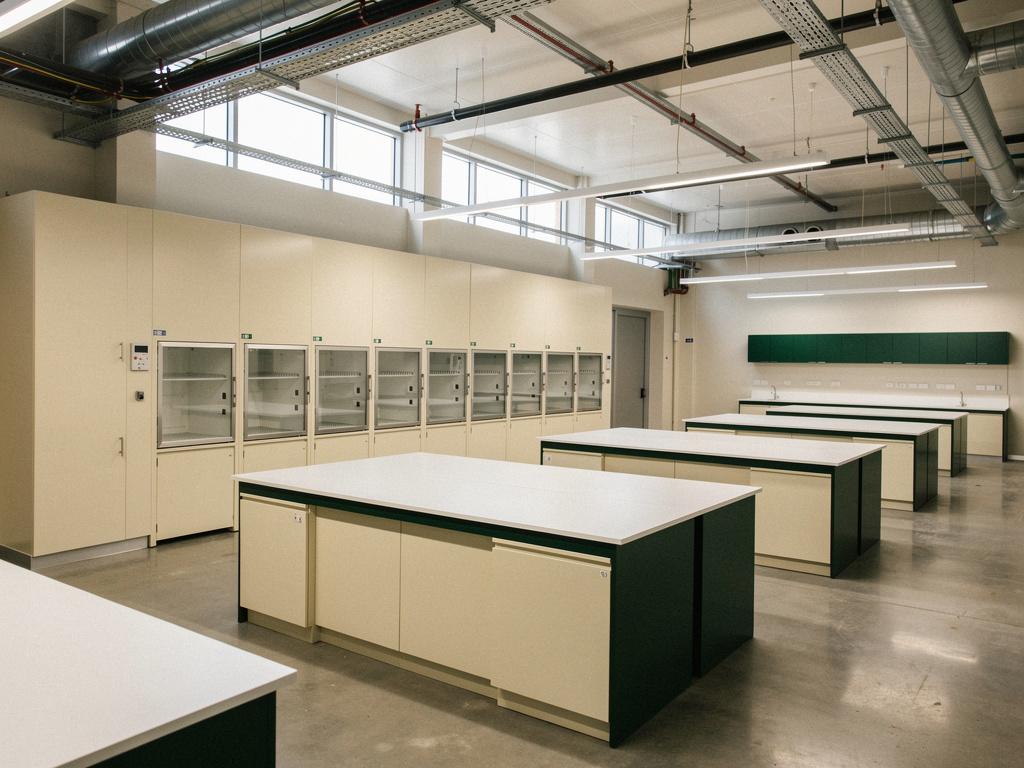
Labs & Research Facilities
Containment, benches and the services behind them. Containment, services and commissioning set the programme on a laboratory, and we plan all three from the first estimate.
Technology
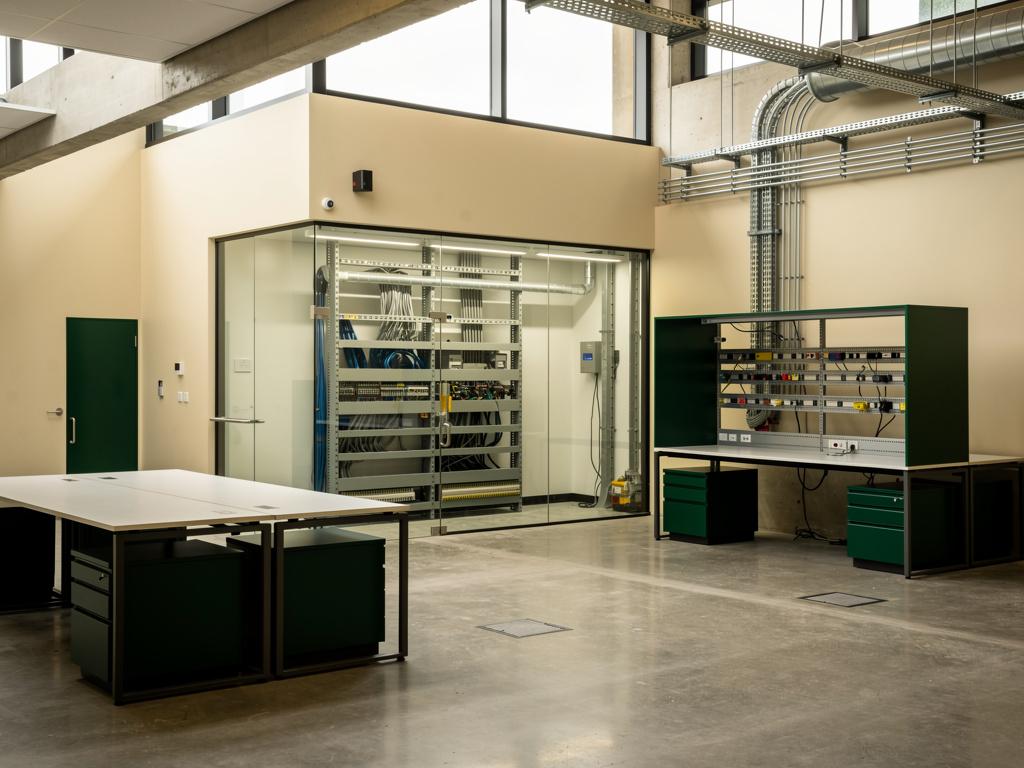
Workplace and specialist facilities for technology tenants. Two buildings inside one lease: a workplace, and the technical rooms that set the programme.

Government & Public Sector
TargetA target sector. Procurement, reporting and probity carried as delivered scope, with local content and Aboriginal participation planned from award.
Data Centre
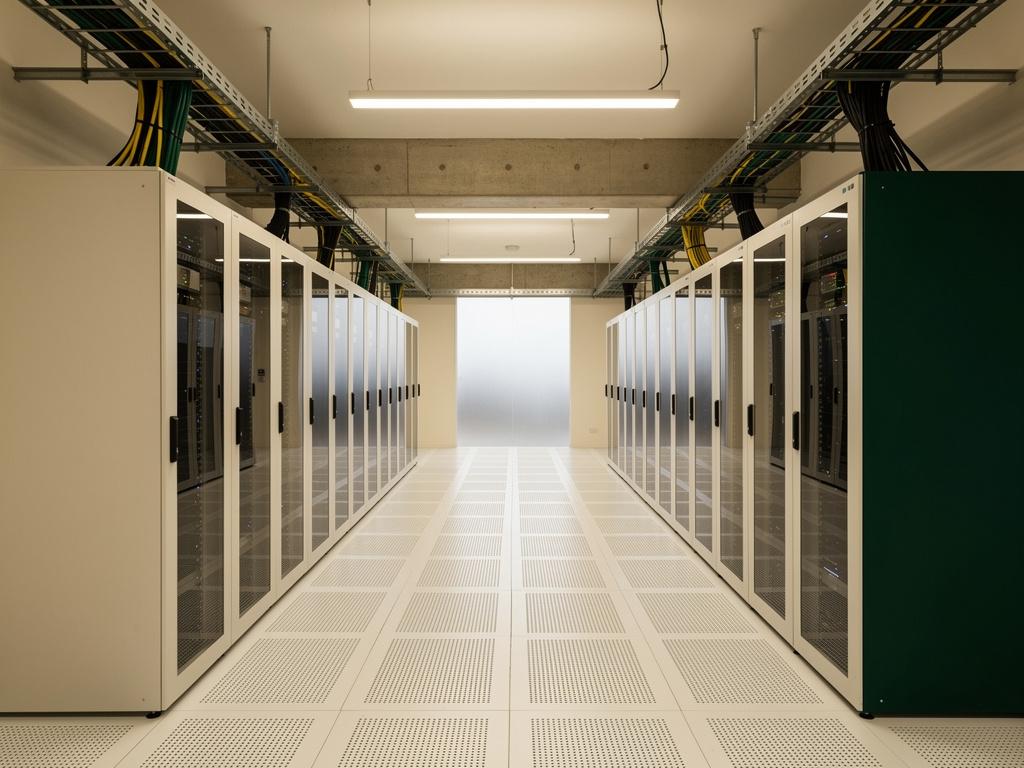
TargetA target sector. Where the services are the project: comms rooms, edge facilities and critical services works, with a plain statement of where our capability starts and stops.
Office
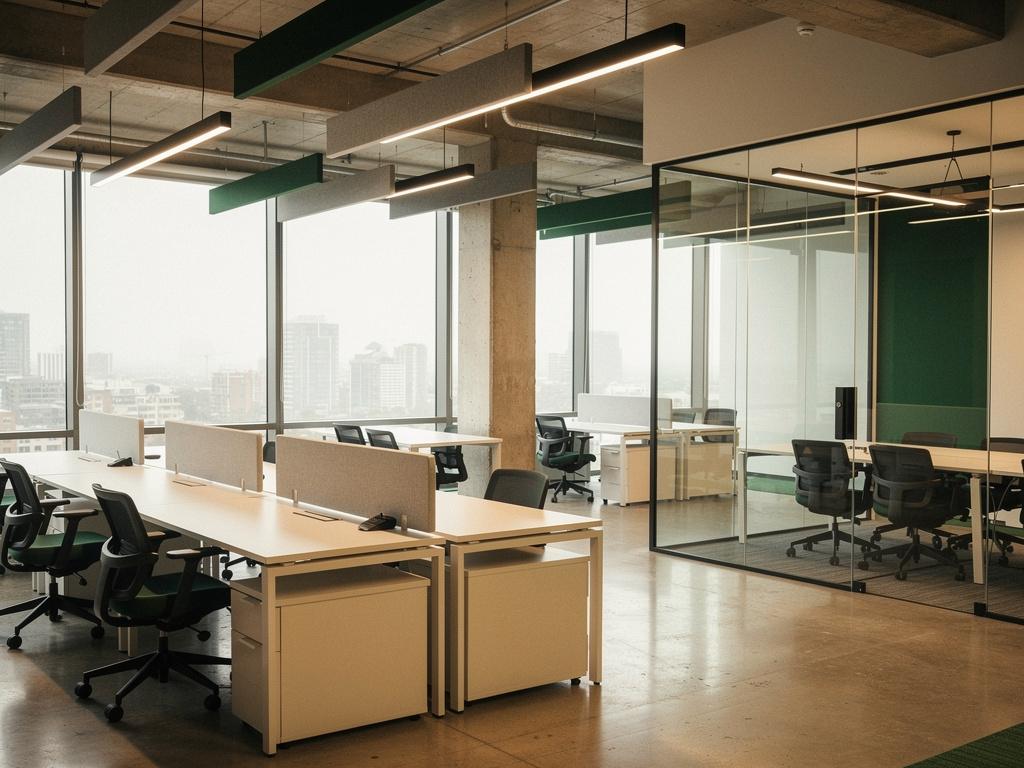
Fitout, refurbishment and new build. Workplace, from a single floor to a whole building, built around how the floor is actually used.

Retail
Trading hours, staging and handover under a tenancy deed. Shopfits, flagship stores and showrooms delivered against a trading date that does not move.
Hospitality
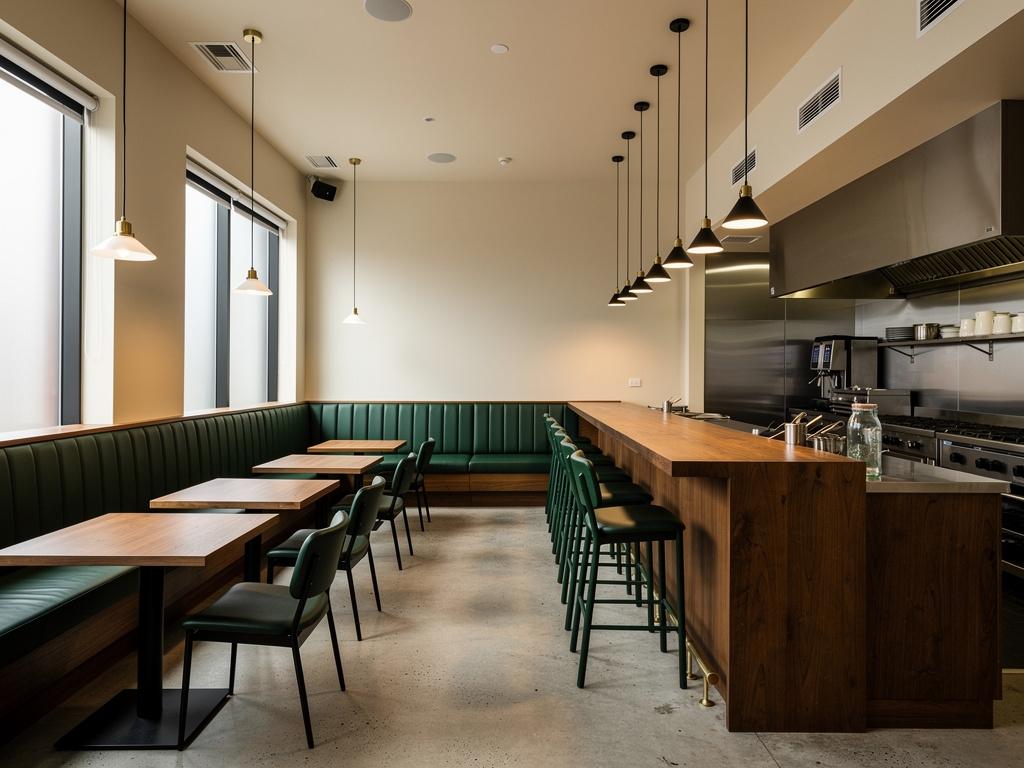
Kitchens, services and finishes against a fixed opening date. Exhaust, trade waste and the licensing path resolved before the date is set in stone.
Education
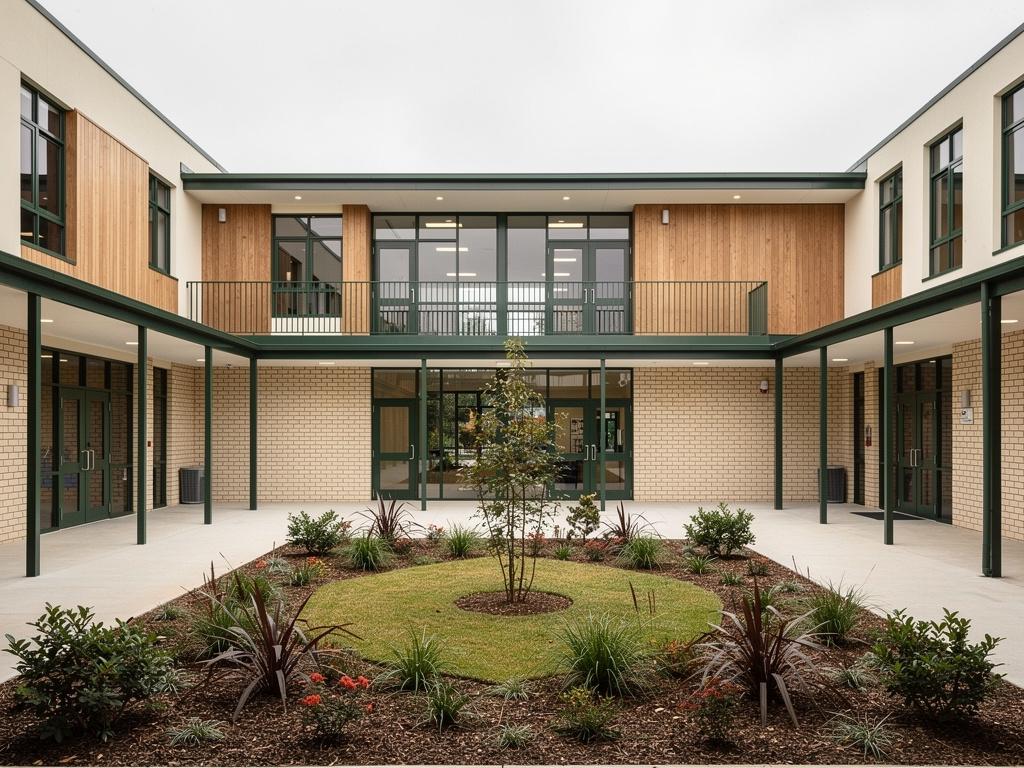
Work planned around terms, not around us. Schools, campuses, training facilities and early learning, built on operating sites around children and the academic year.
Health
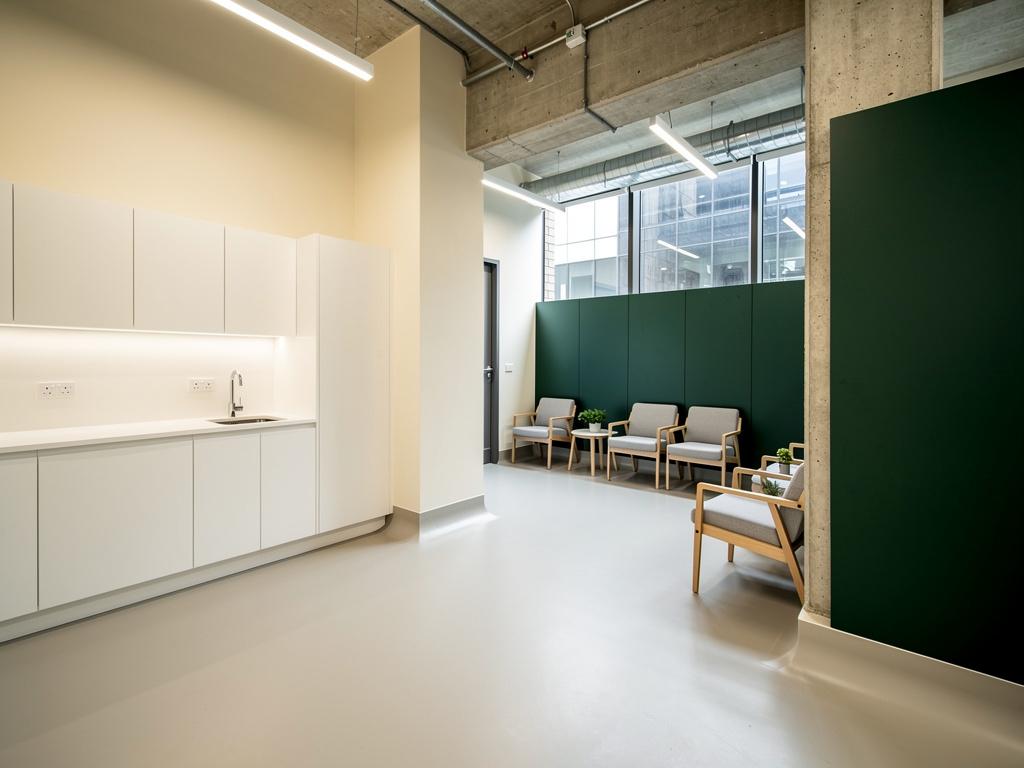
Infection control and staged access in operating facilities. Clinics, day surgeries, consulting suites, allied health and hospital departments.
Send us the site and the decant constraints.
How many rooms can be empty at once is the single most useful thing you can tell us at the start.