Work planned around terms, not around us.
Schools, campuses, training facilities and early learning across South Australia, Victoria and New South Wales. Built on operating sites, around children and around the academic year.
- Group
- Workplace and public
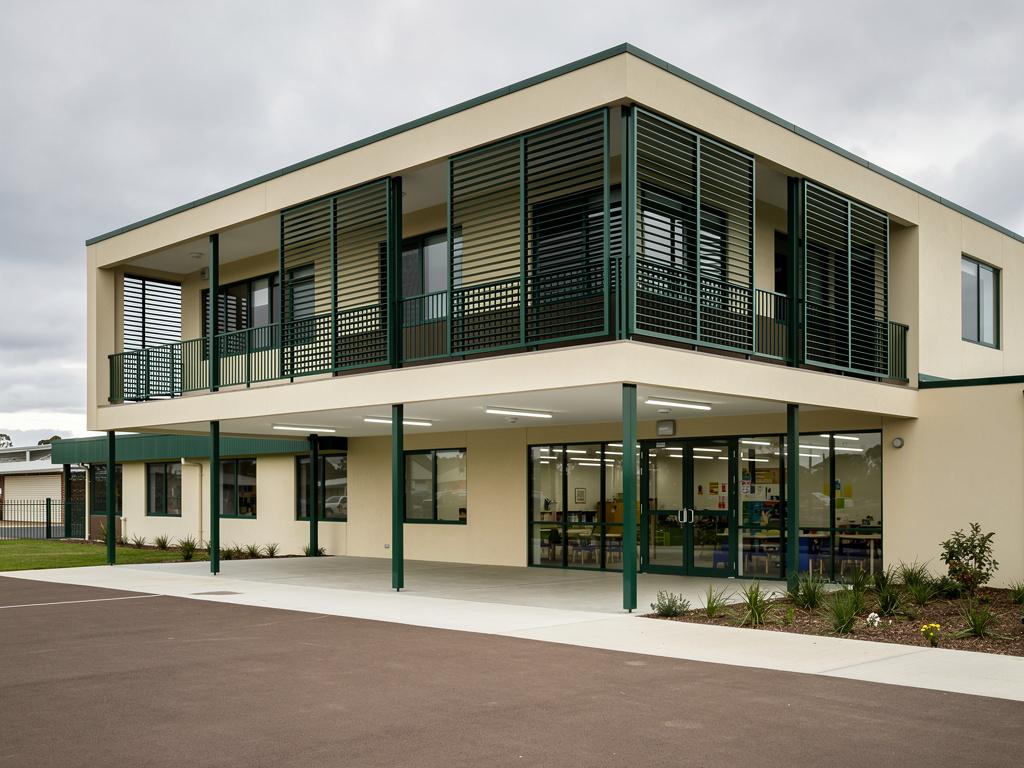
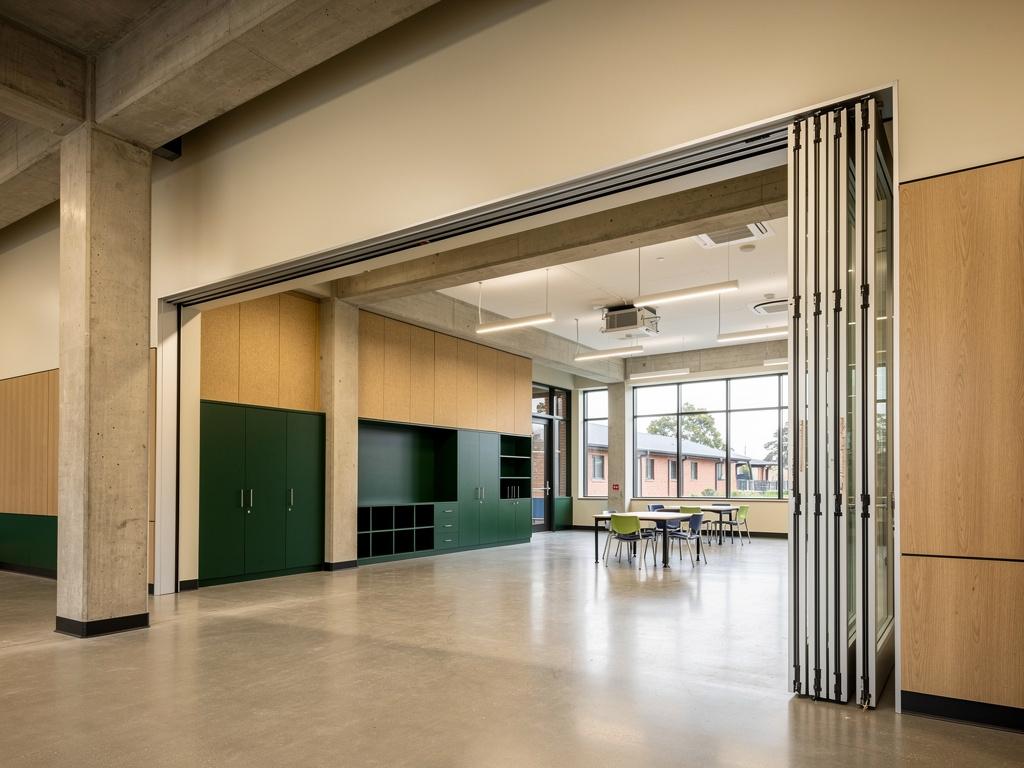
- Project capacity under a single contract
- $20m
- States we build in: South Australia, Victoria and New South Wales
- 3
- Years of the director’s delivery experience
- 15+
- Of site personnel screened before they set foot on a school site
- 100%
The constraint
Two things are fixed, and neither of them is the budget.
The academic calendar, and the safety of the children on the site. Everything else in an education project is negotiable.
An education project is almost always a construction site inside an operating school. Students are moving between buildings, staff are teaching next to the work, and parents are watching. Term dates are set years ahead and a school cannot simply not open.
So the programme is written from the calendar backwards. The work that cannot happen beside children. Demolition, structure, services shutdowns, crane lifts. Goes into the breaks. What happens in term time is quiet, hoarded, and separated from every route a student takes.
Diagram of an education project programmed around the school year. Term time allows only low-impact work behind a hoarding, while the summer and mid-year breaks are the windows for demolition, structural work, services shutdowns and handover. The academic year sets the programme; the programme does not set the academic year.
The academic year. Fixed
Term
low impact only
Break
the real window
Term
Break
Term
Summer break
handover window
In the copper windows: demolition, structural work, services shutdowns, roof penetrations, crane lifts, handover.
In term time: quiet works behind a hoarding, with a separate compound and no shared paths.
A programme that does not start from the school calendar is a programme that will be rewritten.
Child safety
Not a policy paragraph: an operating condition.
- Screening before site accessEvery worker on a school site holds the working with children clearance their state requires, checked before induction rather than after. No exceptions for a one-day trade.
- Physical separationHoarding, a separate site compound and a separate gate. Construction traffic never uses a route a student uses, and the boundary is designed so that a child cannot casually be on the wrong side of it.
- Induction that covers behaviour, not just hazardsSite personnel are briefed on conduct around students and staff as part of induction. It is treated as a compliance item because it is one.
- Communication with the school communityWorks notices to staff and families before disruptive activity, not after the complaint. A school executive who can answer a parent’s question is an ally.
- Noise, dust and outlookLearning spaces adjoining the work need acoustic treatment and dust control at a standard higher than a normal site, because concentration is the product.
- Emergency procedures that work for bothEvacuation routes and assembly points are reconciled between the school’s procedures and the site’s, and re-checked each time the hoarding line moves.
A school cannot simply not open. That is the entire programme constraint.
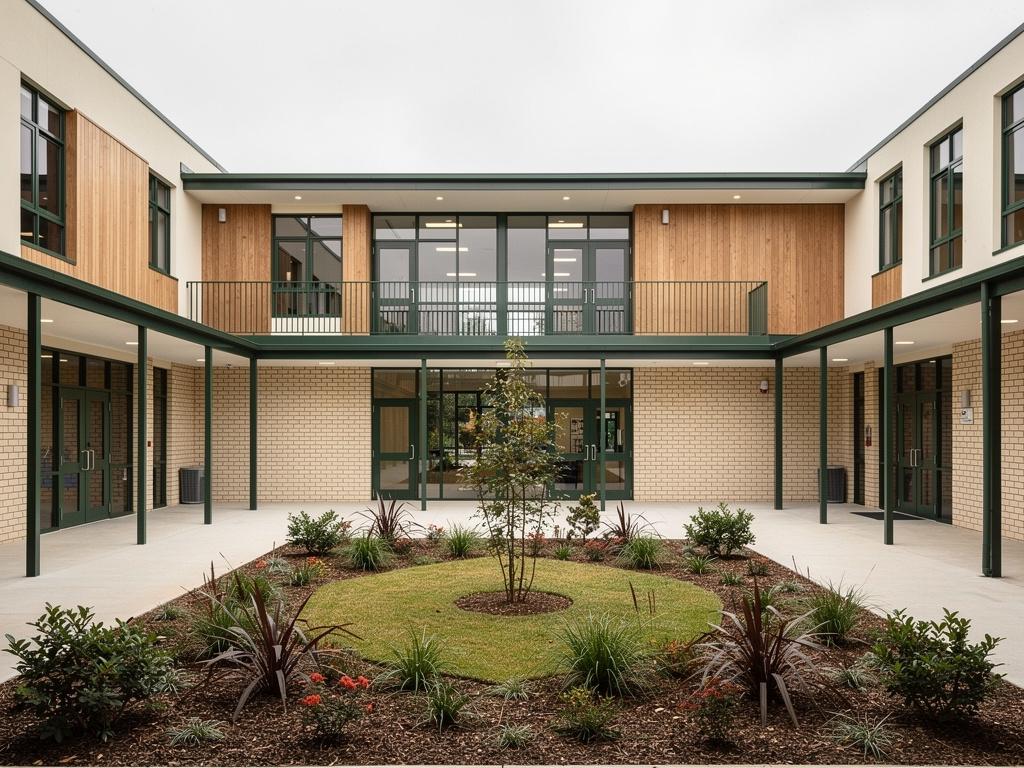
What we build
The work in this sector.
- New teaching buildings
- Classroom blocks, science and technology facilities, libraries and resource centres, with the acoustic and daylight requirements that learning spaces carry.
- Refurbishment and modernisation
- Older buildings brought up to current accessibility, fire and services standards, usually inside a break window and usually with more discovered than documented.
- Specialist facilities
- Trade training, laboratories, performing arts and sports facilities, each with technical requirements that a general classroom does not have.
- Early learning
- Regulated space and outdoor area requirements, sightlines, and finishes and fixtures chosen for a very specific set of users.
- Grounds, access and covered areas
- Covered walkways, play areas, drop-off zones and accessible paths of travel, often the works most visible to the school community.
Founder’s project contributions
The director’s experience includes education projects delivered at previous firms: St Columba College Stage 2, Parafield Gardens High School, Le Fevre High School, Mount Barker High School, and the SAE campus for Navitas. These are the founder’s prior-firm project contributions rather than JCGAU-delivered work, and are described that way wherever they appear.
Projects
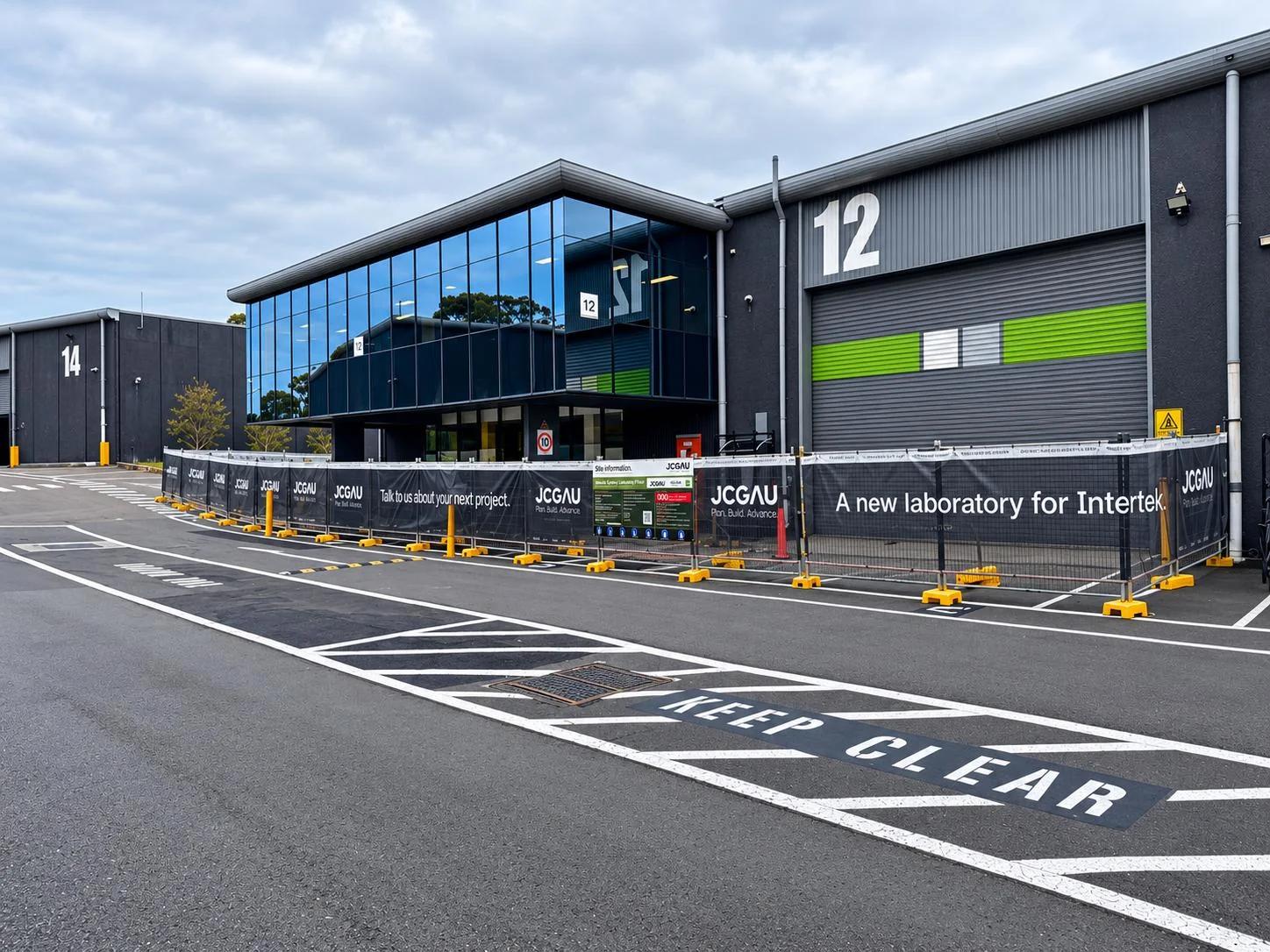 JCGAU
Labs & Research Facilities
Intertek Sydney Laboratory
Intertek Testing Services · Botany, NSW · In progress
- JCGAU
Labs & Research Facilities
Intertek Melbourne Laboratory Feasibility
Intertek Testing Australia · Melbourne, VIC · Delivered
- Prior firm
Education
Le Fevre High School
The education department · Complete
- Prior firm
Education
Mount Barker High School
The education department · Complete
- Prior firm
Education
Parafield Gardens High School
The education department · Complete
- Prior firm
Education
SAE campus
Navitas · Complete
- Prior firm
Education
St Columba College Stage 2
Complete
- Prior firm
Aged Care
AVEO Carisfield
AVEO · Complete
- Prior firm
Aged Care
AVEO Riverview
AVEO · Complete
Prior firm: the director’s contribution at a previous firm, not JCGAU-delivered work.
Where to go next
Government and public sector
Industry participation, reporting obligations and working in operating facilities.Commercial construction
Offices, retail, hospitality and institutional work, from fitout to new build.Commercial new builds
A building from the ground up, and the approvals path that comes with it.How we work
How we price, procure, administer and report, described as mechanisms you can test.
Questions
Can you work during term?
Low-impact work, yes, behind proper separation. Demolition, structure and services shutdowns go into break windows, and we say so at the start rather than asking for an exception later.
Do all your workers hold working with children clearances?
Everyone who accesses a school site does, checked before induction. It is a condition of entry on our sites, not a form we collect afterwards.
Can you finish part of the building for the start of a term?
Staged occupation is common in education work and we plan for it deliberately. It has to be designed into the programme, not requested near the end.
What happens when the refurbishment uncovers something?
On older school buildings, it usually does. We build contingency into the break-window programme and we tell you the same day, because a discovery held for a week costs the window.
Other sectors
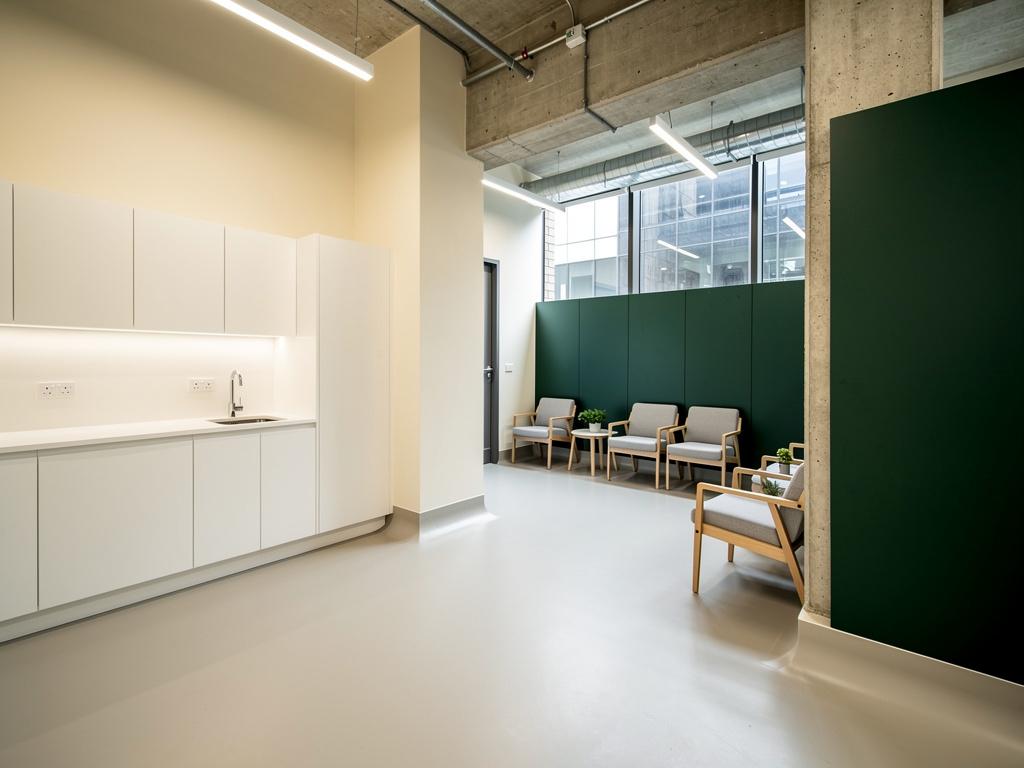
Health
Infection control and staged access in operating facilities. Clinics, day surgeries, consulting suites, allied health and hospital departments.

Aged Care
Building around residents who are already home. Communal, clinical and back-of-house work inside operating facilities. Commercial scope only.
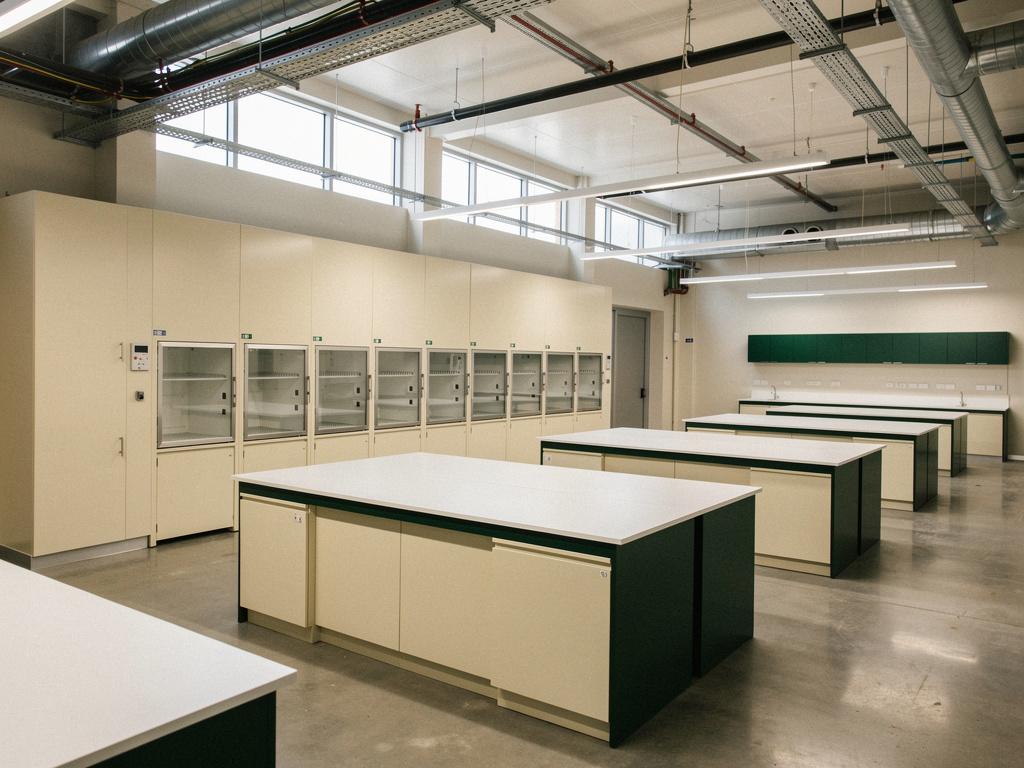
Labs & Research Facilities
Containment, benches and the services behind them. Containment, services and commissioning set the programme on a laboratory, and we plan all three from the first estimate.
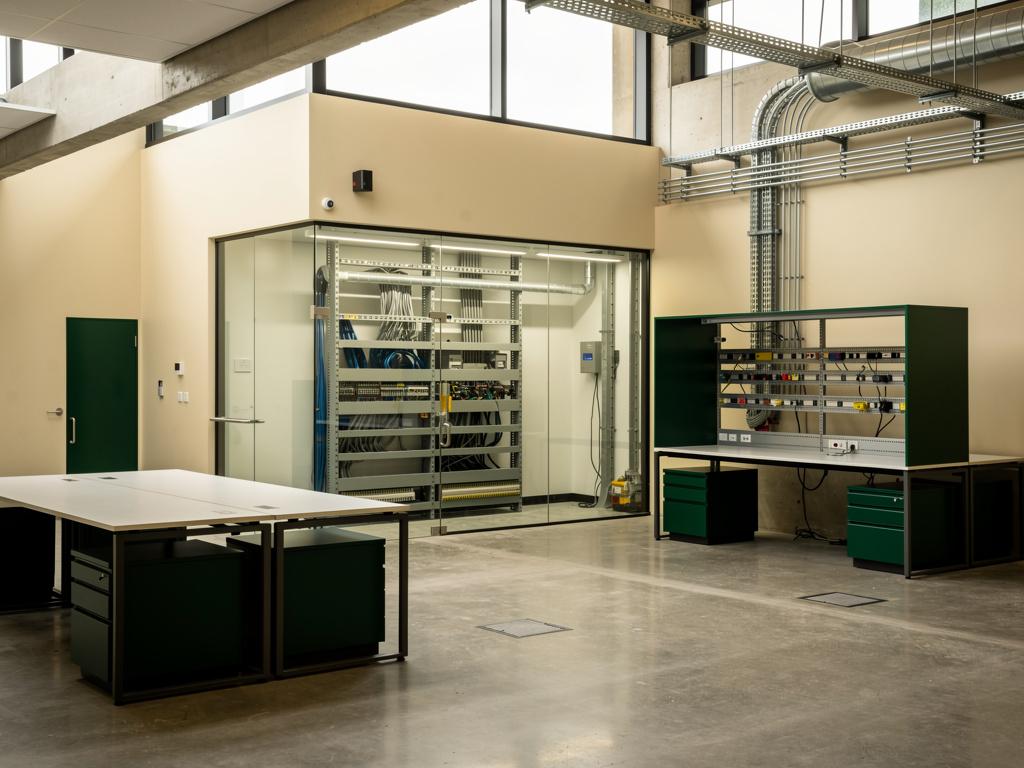
Technology
Workplace and specialist facilities for technology tenants. Two buildings inside one lease: a workplace, and the technical rooms that set the programme.

Government & Public Sector
TargetA target sector. Procurement, reporting and probity carried as delivered scope, with local content and Aboriginal participation planned from award.
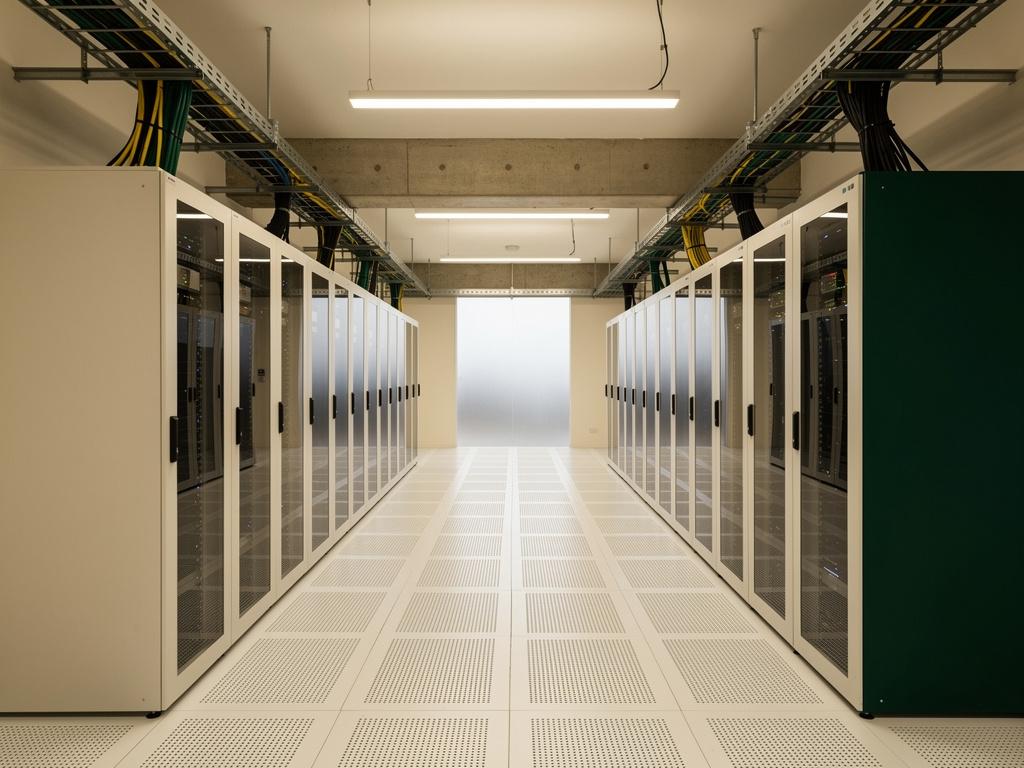
Data Centre
TargetA target sector. Where the services are the project: comms rooms, edge facilities and critical services works, with a plain statement of where our capability starts and stops.
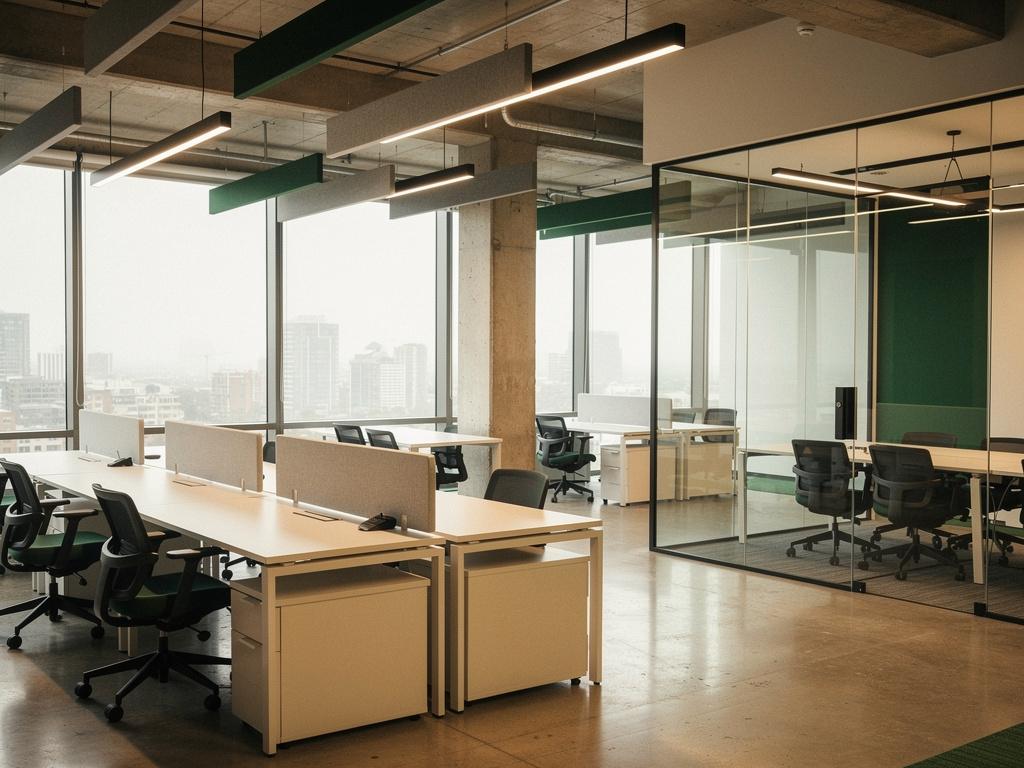
Office
Fitout, refurbishment and new build. Workplace, from a single floor to a whole building, built around how the floor is actually used.

Retail
Trading hours, staging and handover under a tenancy deed. Shopfits, flagship stores and showrooms delivered against a trading date that does not move.
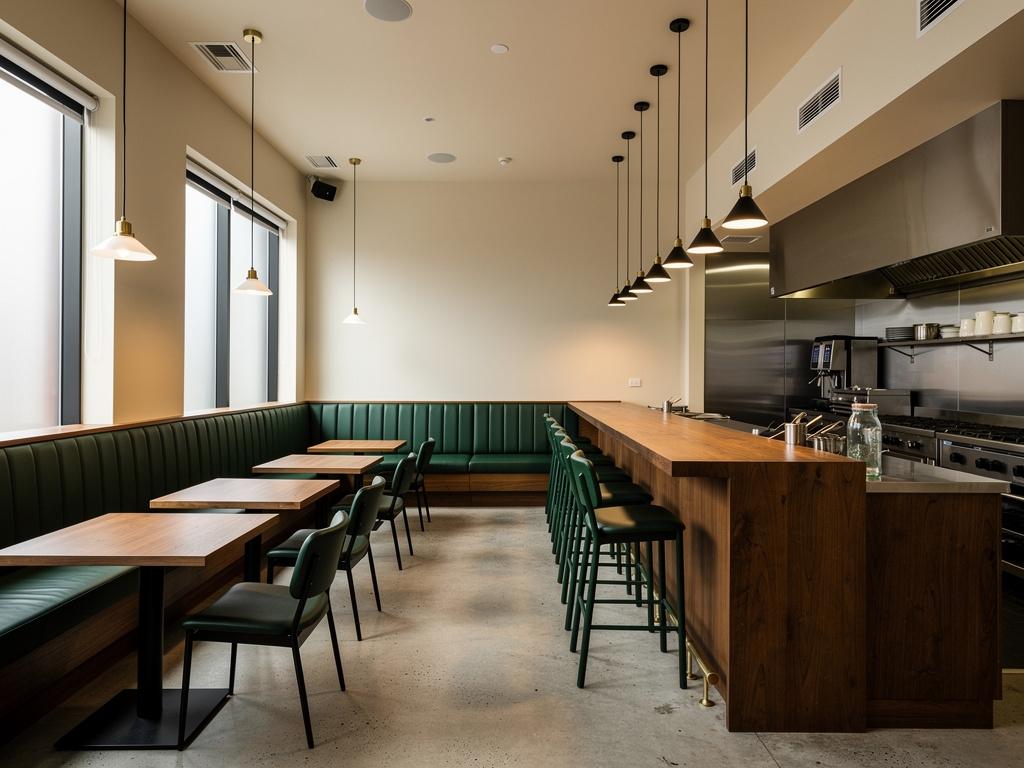
Hospitality
Kitchens, services and finishes against a fixed opening date. Exhaust, trade waste and the licensing path resolved before the date is set in stone.
Send us the site plan and the term dates.
The calendar shapes an education programme more than the design does, so it is where we start.