Retail, delivered against a date that will not move.
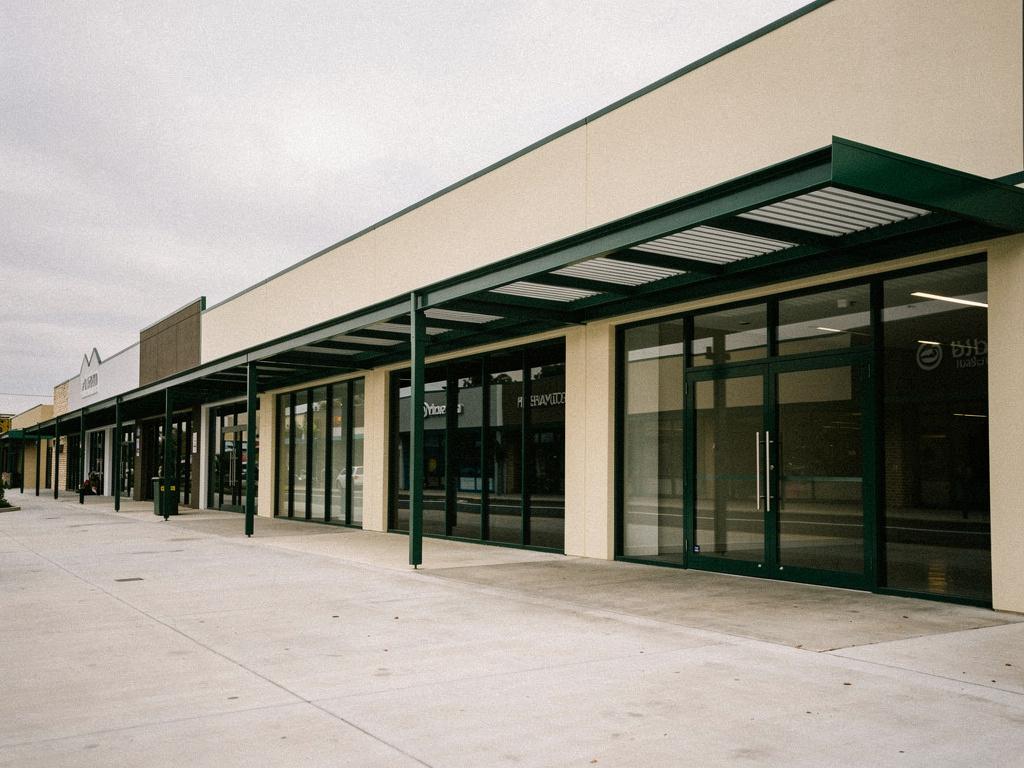
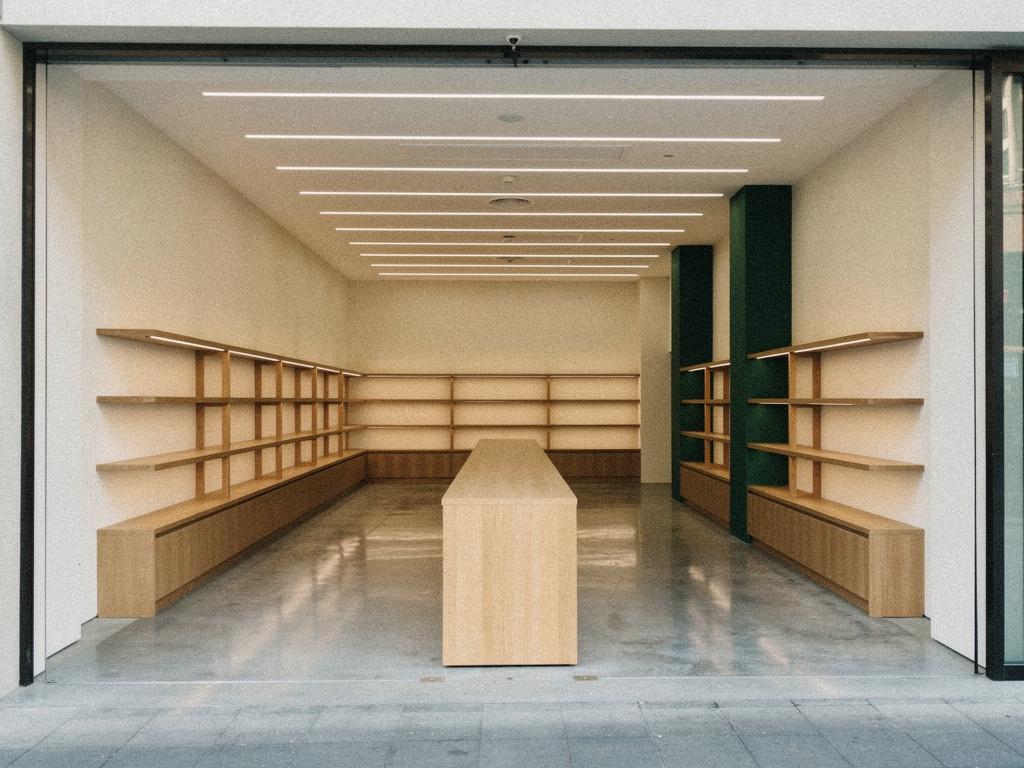
Shopfits, flagship stores, showrooms and retail refurbishment across South Australia, Victoria and New South Wales. Built inside centre rules, overnight, to a trading date.
- Group
- Workplace and public

- Project capacity under a single contract
- $20m
- States we build in: South Australia, Victoria and New South Wales
- 3
- Date that matters, and it is not ours
- 1
- Every instruction priced and approved in writing
- 100%
The constraint
In retail, the programme is the product.
A store that opens two weeks late has lost two weeks of trade, a marketing campaign and, in a centre, a position in someone else’s calendar.
Retail construction is not technically the hardest work we do. It is the least forgiving. The tenancy is handed over when the centre hands it over, the design is approved when centre management approves it, the work happens in whatever hours the centre permits, and the trading date was set months ago against a calendar that does not flex.
So the useful work happens before site. Design approval lodged early, long-lead joinery and shopfront ordered off approved drawings, the centre’s requirements read properly, and the induction and access paperwork done before it is urgent.
Timeline diagram of a shopping centre retail fitout. Handover of the tenancy, centre design approval, an overnight-only construction window, centre inspection, and the trading date. The trading date does not move, so every delay is absorbed by the construction window rather than by the deadline.
Tenancy handover
often late
Centre design approval
on the centre's cycle
Construction window
overnight only in a trading centre
Centre inspection
Trading date
does not move
Every delay upstream is absorbed by the copper band, because the trading date is fixed by a lease, a marketing campaign and a centre trading calendar. Which is why we start the approvals, not the build.
Centre rules
The tenancy deed is a construction document.
- Design approval
- Centres run their own design review against a tenancy design guide, and the approval is a gate rather than a formality. Shopfront line, signage zone, ceiling heights, materials and lighting are all specified by the centre, and a design that has not been checked against them will come back for revision.
- Hours and access
- In a trading centre, work happens overnight. Deliveries go through a dock with a booking system, materials travel through back-of-house corridors with size limits, and noisy works may be restricted even at night.
- Hoarding
- A hoarding is a marketing surface as well as a barrier, and the centre usually specifies both. It goes up before the first strip-out, not when convenient.
- Services connections
- Power, water, waste, mechanical and fire connections come off centre infrastructure, with centre-appointed or centre-approved contractors for some trades. This is not negotiable and it belongs in the price.
- Inspection and handover
- Centre inspection before trading, with defect close-out inside a very short window. We plan for it rather than discovering it.
- Standalone and strip retail
- Different problem, same discipline. Council approval, street frontage, disability access and the neighbours replace centre management, but the fixed opening date remains.
Who we do this for
Four buyers, and what each is actually solving.
Centre owners and asset managers
Base building upgrades, common area and amenity works, tenancy handover condition and the sequencing of capex around trading hours and lease events.
National and multi-site retailers
A brand standard that has to be reproduced consistently across states, with the same reporting and the same handover pack every time, under different centre rules.
Independent and first-store operators
One tenancy, one lease, one trading date, and usually the first time through a centre fitout approval process. The approval path is most of the work.
Tenant representatives and designers
You hold the design and the lease negotiation. We price against the tenancy condition and the centre’s handover documentation as they actually are.
What sets the date
Retail programmes are governed by trading, not by construction.
- The trading date, and what it costs to miss
- Rent commencement, a marketing launch, a seasonal peak or a franchise obligation. Almost every retail programme is set by a date that has nothing to do with construction, and the useful conversation is about what can be brought forward rather than what can be compressed at the end.
- Centre approval and the fitout guide
- Most centres require design approval, contractor accreditation, insurances and a bond before site access is granted. Running that in parallel with documentation rather than after it is usually the largest single saving available on the programme.
- Access, hours and the loading dock
- Work in a trading centre happens in booked windows, often overnight, with hoarding, noise limits and dock allocations. The programme is built around those constraints from the start rather than discovering them in week two.
- Shopfront, joinery and signage lead times
- The items that define the brand are the items with the longest lead. They are ordered against the approved design, not against the installation week.
Nothing about a retail fitout is technically hard. Everything about it is unforgiving.
How we protect the date
Four things we do differently on retail.
- Approve firstDesign approval and centre paperwork are treated as the first activity on the programme, not as a parallel administrative task.
- Order earlyShopfront, joinery and lighting are the long leads. They are ordered off approved drawings, and we will tell you the date after which the trading date is at risk.
- PrefabricateWhat can be built off site is built off site. An overnight work window rewards assembly and punishes fabrication.
- Float where it countsThe programme carries float before the inspection, not before the start, because that is where it gets used.
Projects
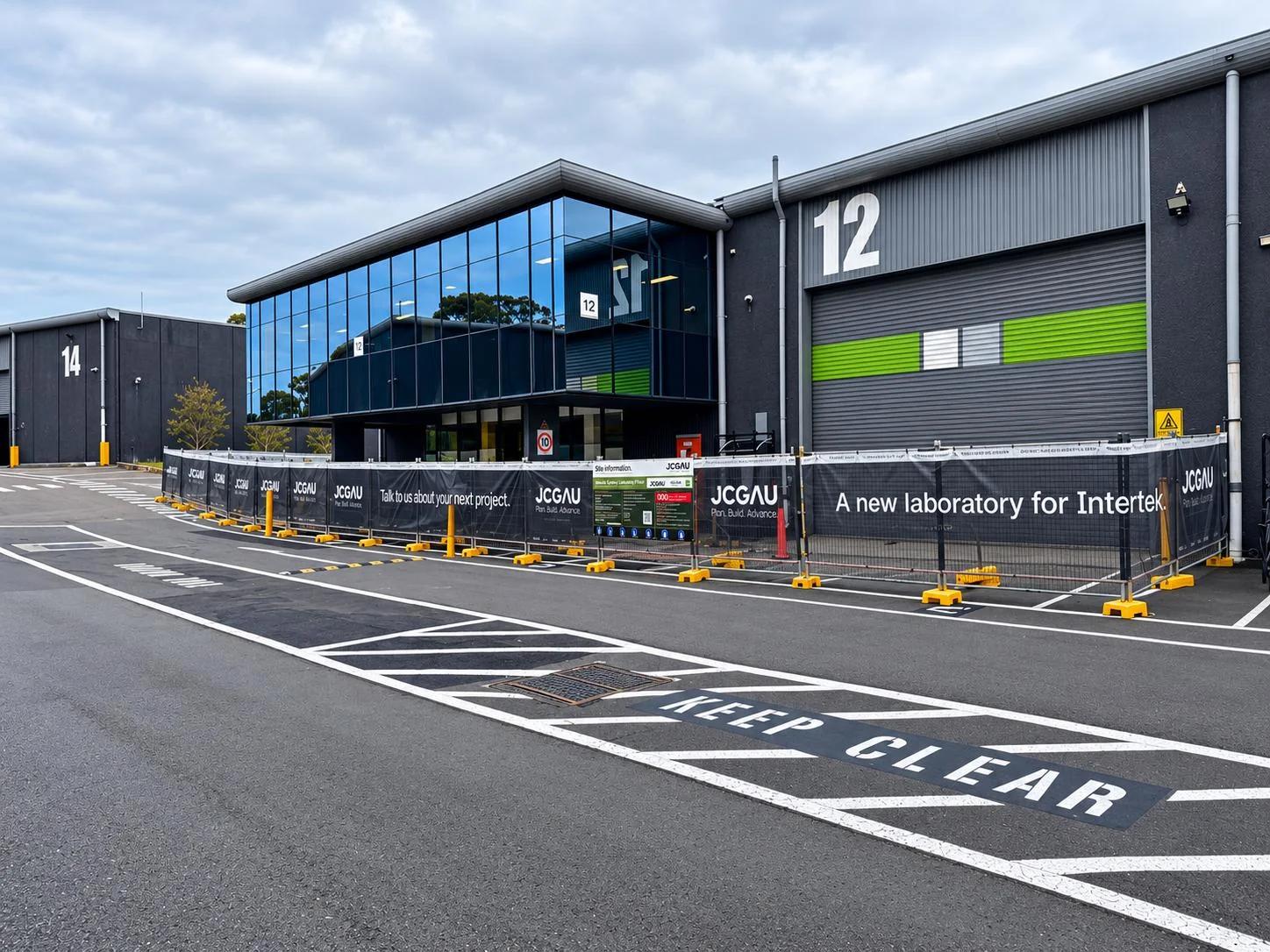 JCGAU
Labs & Research Facilities
Intertek Sydney Laboratory
Intertek Testing Services · Botany, NSW · In progress
- JCGAU
Labs & Research Facilities
Intertek Melbourne Laboratory Feasibility
Intertek Testing Australia · Melbourne, VIC · Delivered
- Prior firm
Aged Care
AVEO Carisfield
AVEO · Complete
- Prior firm
Aged Care
AVEO Riverview
AVEO · Complete
- Prior firm
Education
Le Fevre High School
The education department · Complete
- Prior firm
Education
Mount Barker High School
The education department · Complete
- Prior firm
Education
Parafield Gardens High School
The education department · Complete
- Prior firm
Education
SAE campus
Navitas · Complete
- Prior firm
Education
St Columba College Stage 2
Complete
Prior firm: the director’s contribution at a previous firm, not JCGAU-delivered work.
Where to go next
Fitout and refurbishment
Working inside an existing building, including one that has to keep operating.Commercial construction
Offices, retail, hospitality and institutional work, from fitout to new build.Design and construct
One contract carrying both the design and the price.End of lease defit and make good
Scoping, pricing and executing the obligation before the lease date decides it for you.
Questions
Can you work in a trading centre overnight?
Yes. It is the normal condition for centre work, and it is priced explicitly rather than buried, so you can see what the restriction costs.
Can you handle the centre design approval?
Yes, with your designer. We would rather be involved before the submission than after the first rejection.
We have multiple stores. Can you do a rollout?
Yes. A repeatable set of details, a standing supply chain and one team learning the format is where a rollout gets cheaper each time.
What is the most common cause of a missed trading date?
Late tenancy handover combined with a design approval that started too late. The second one is inside your control.
Other sectors
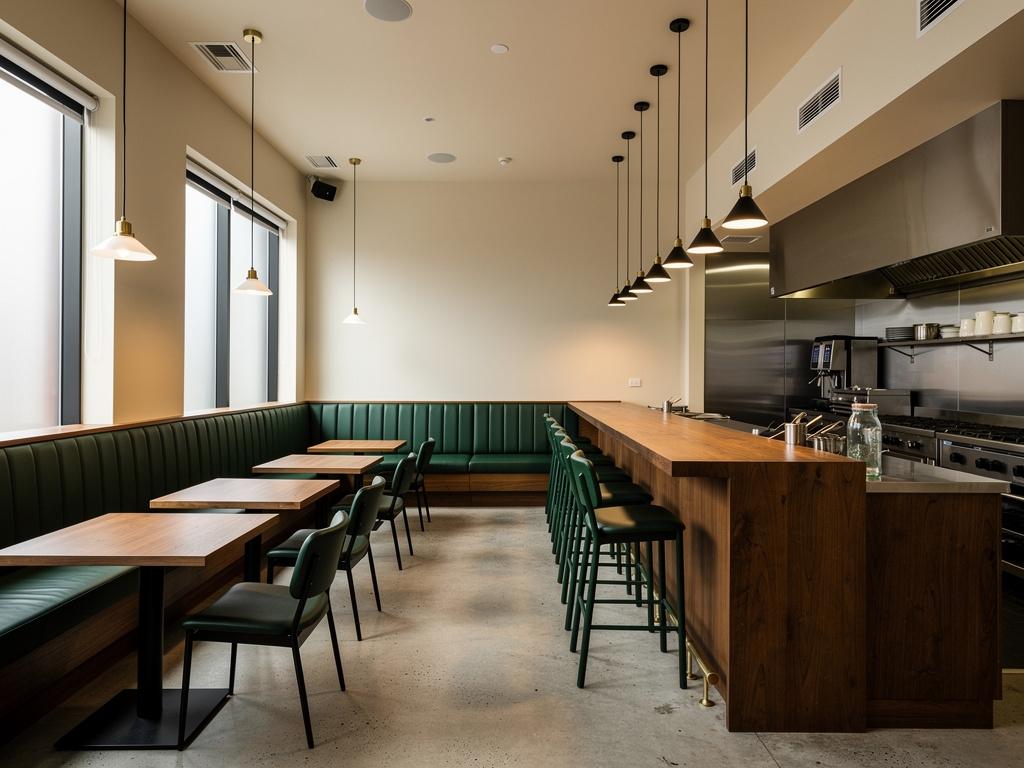
Hospitality
Kitchens, services and finishes against a fixed opening date. Exhaust, trade waste and the licensing path resolved before the date is set in stone.
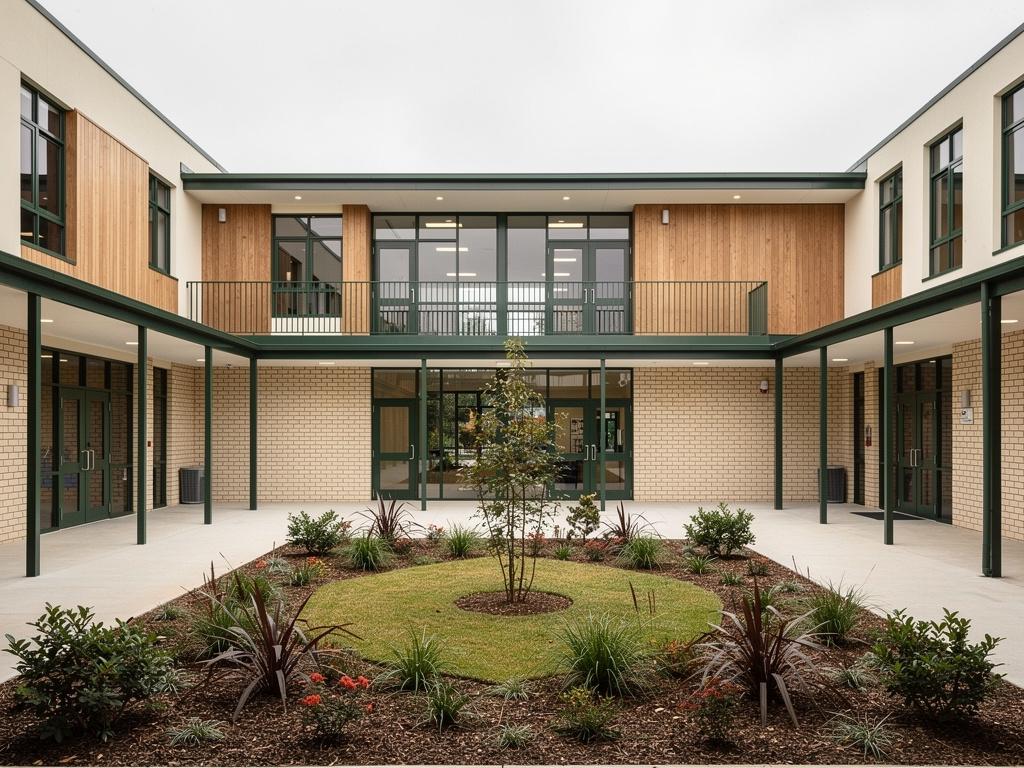
Education
Work planned around terms, not around us. Schools, campuses, training facilities and early learning, built on operating sites around children and the academic year.
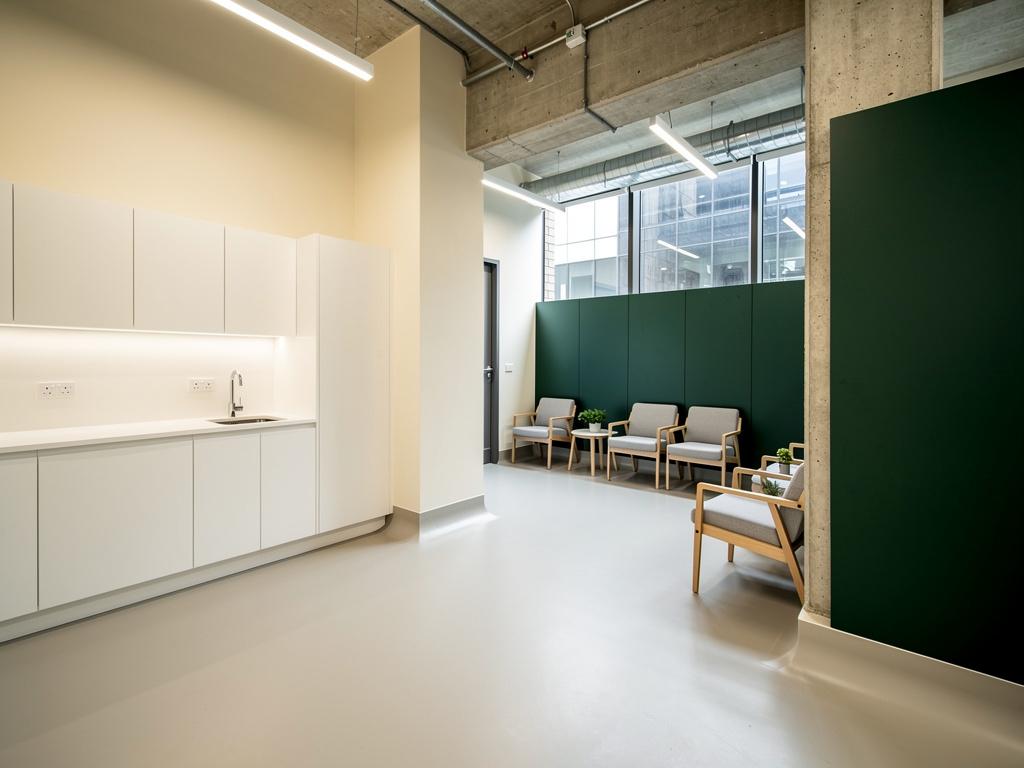
Health
Infection control and staged access in operating facilities. Clinics, day surgeries, consulting suites, allied health and hospital departments.

Aged Care
Building around residents who are already home. Communal, clinical and back-of-house work inside operating facilities. Commercial scope only.
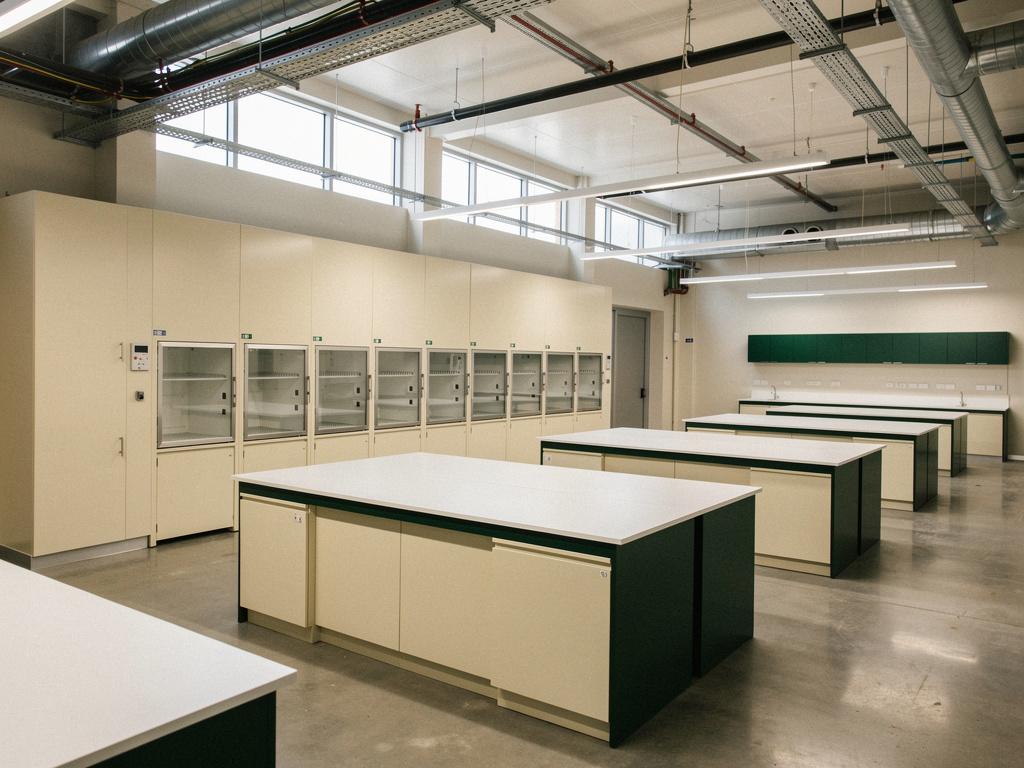
Labs & Research Facilities
Containment, benches and the services behind them. Containment, services and commissioning set the programme on a laboratory, and we plan all three from the first estimate.
Technology
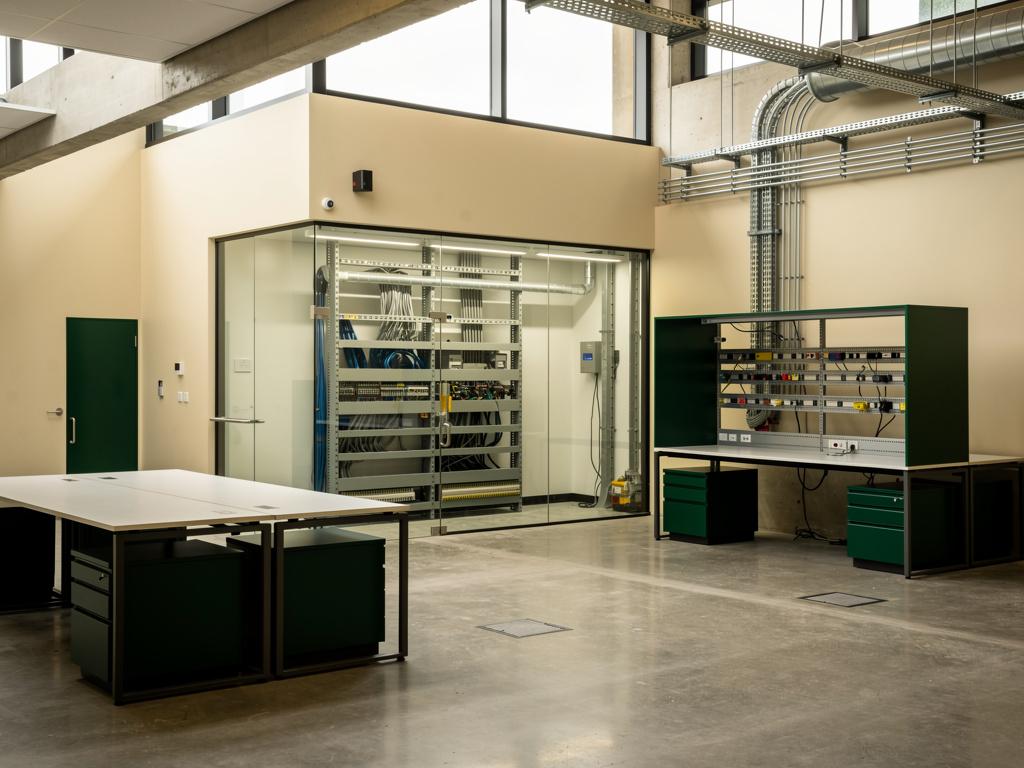
Workplace and specialist facilities for technology tenants. Two buildings inside one lease: a workplace, and the technical rooms that set the programme.

Government & Public Sector
TargetA target sector. Procurement, reporting and probity carried as delivered scope, with local content and Aboriginal participation planned from award.
Data Centre
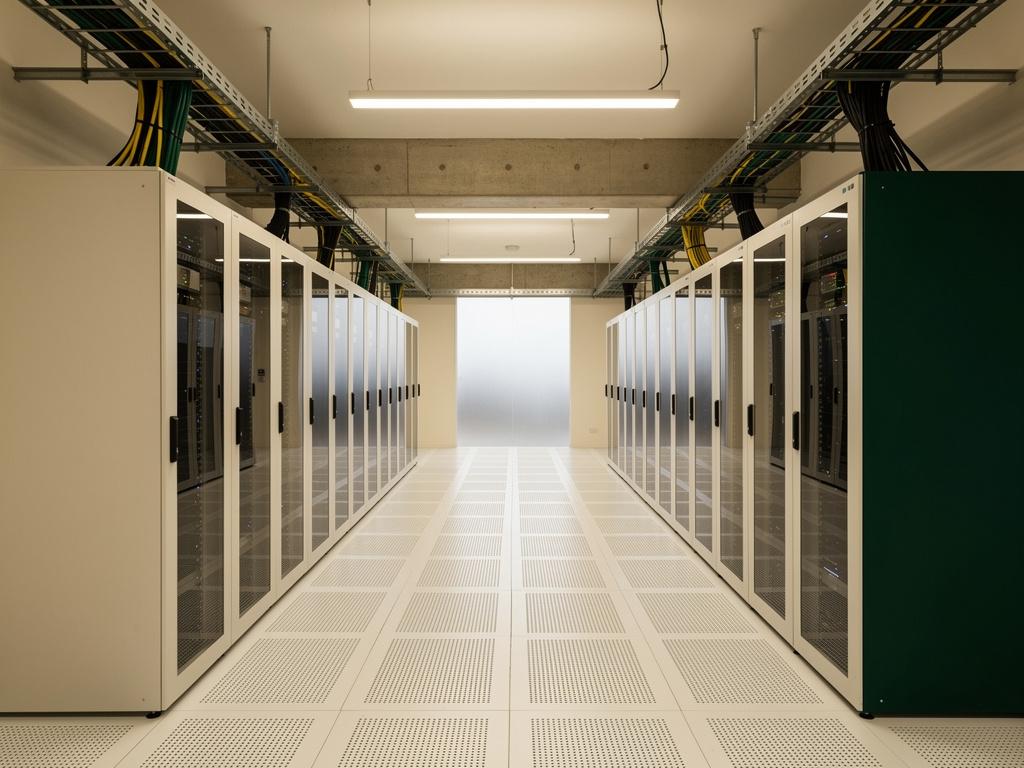
TargetA target sector. Where the services are the project: comms rooms, edge facilities and critical services works, with a plain statement of where our capability starts and stops.
Office
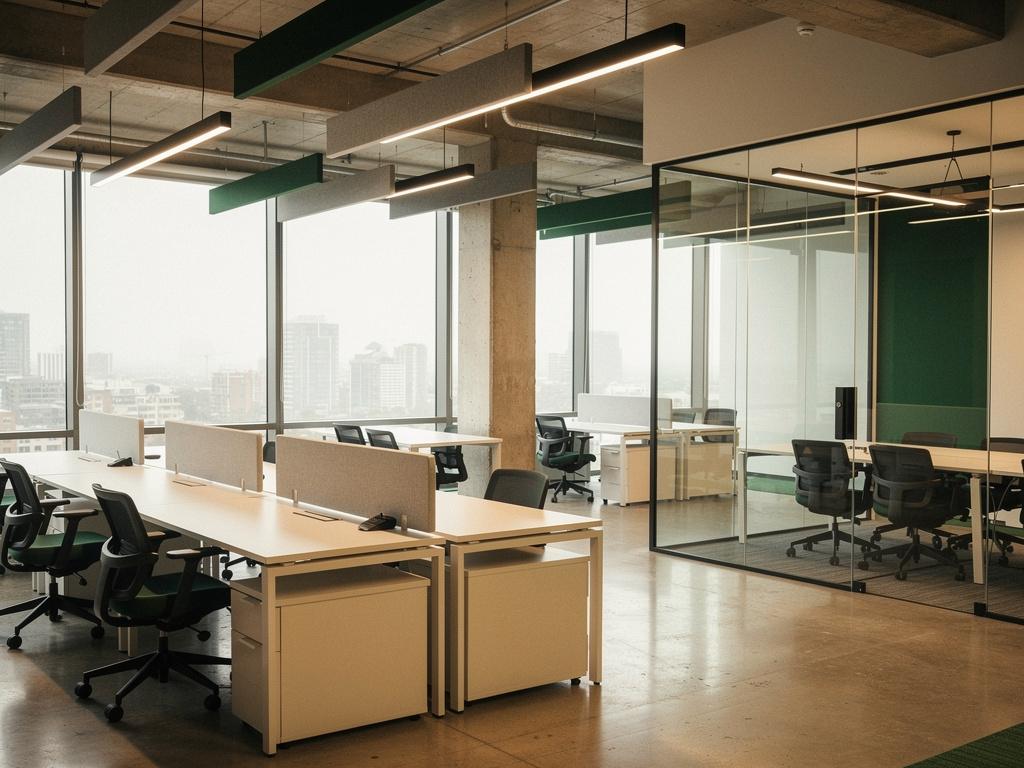
Fitout, refurbishment and new build. Workplace, from a single floor to a whole building, built around how the floor is actually used.
Tell us the trading date first.
Everything on a retail programme is built backwards from it, so it is the most useful thing you can start the conversation with.