Where the services are the project.
Comms rooms, edge facilities, equipment rooms and critical services works, and a clear statement of where our current capability starts and stops.
- Group
- Specialist and technical
- Status
- A sector we are targeting
- Project capacity under a single contract
- $20m
- States we build in: South Australia, Victoria and New South Wales
- 3
- Commissioning stages before a critical facility is finished
- 5
- Every instruction priced and approved in writing
- 100%
Honest scope
A target sector, described as one.
Where we are
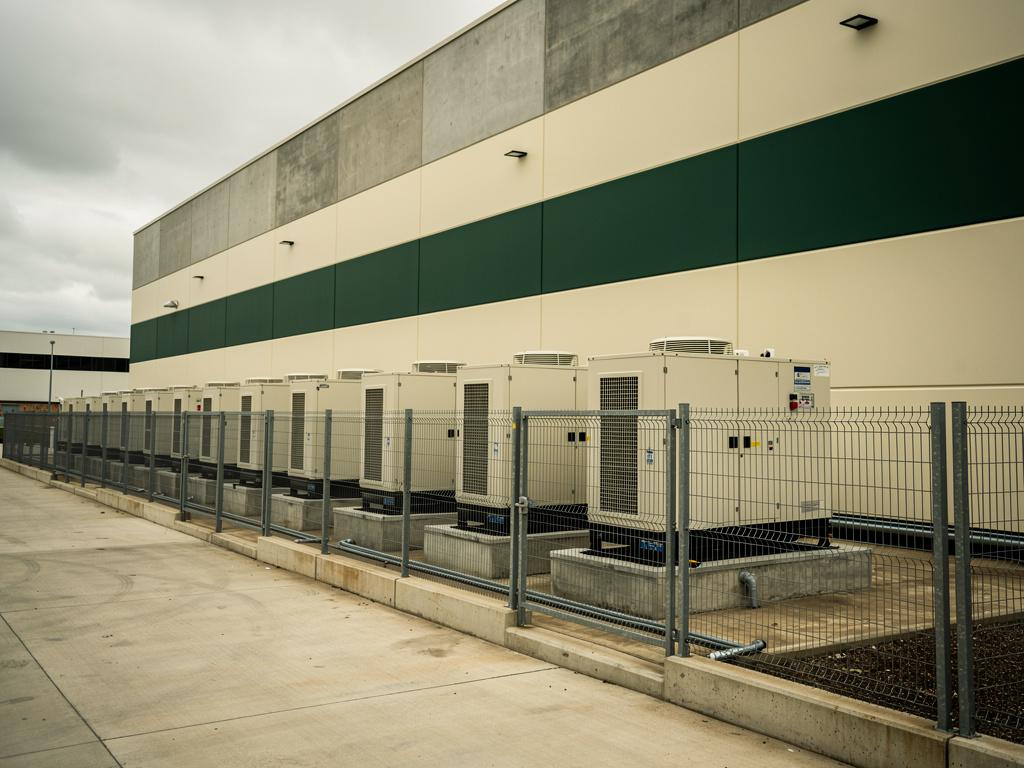
Data centres are a sector JCGAU is building towards, not one in which the company holds a completed project record. What we bring today is comprehensive fitout, services coordination and commissioning discipline, which is directly applicable to comms rooms, edge and equipment facilities, and to the building works around critical infrastructure. Hyperscale construction is not within our current capacity and we would tell you so at the first conversation rather than at the tender interview.
We would rather set that out plainly on the page than have a buyer discover it during due diligence. It is also the honest reading of what a $20 million single-contract capacity means in a sector where individual facilities run to far more than that.
The constraint
In a critical facility the building is the smallest part of the cost.
Power, cooling, redundancy and the commissioning that proves them are the project. The structure is what holds them up.
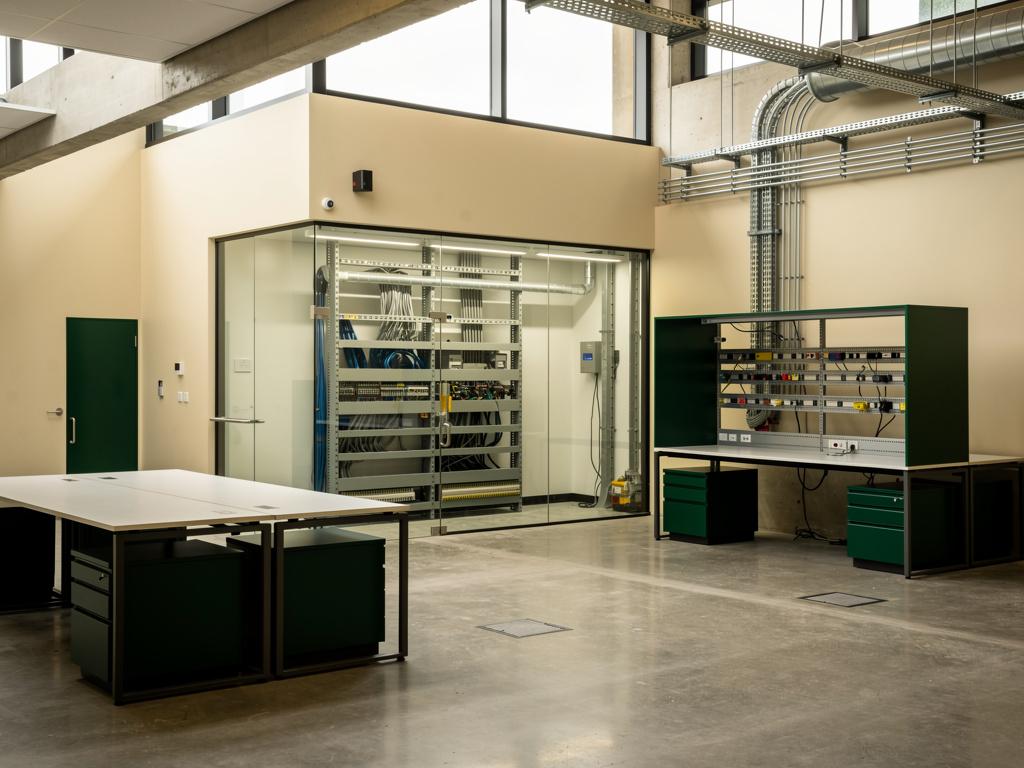
A comms room or edge facility is a services problem with a building wrapped around it. The power path from the supply through switchgear, uninterruptible supply and distribution has to be designed for a redundancy topology, and the cooling has to be designed for a heat density that no ordinary commercial space produces.
Every one of those systems has to be proved to work, and proved to keep working when a component is taken out. That proof is a staged process that runs from the factory to a live load test, and it belongs in the programme as a work package with its own duration.
Redundancy
What you are buying when you buy resilience.
Redundancy is not a rating you select. It is a decision about how much of the system can be lost, or taken out for maintenance, while the load keeps running.
The three arrangements below cover most of what a small technical facility will consider. What separates them is not the number of components but whether the path is shared. A spare unit on a common board protects against a component failure and not against a board failure, which is the distinction that decides whether the room can be maintained without a shutdown.
Three redundancy topologies compared. Under N there is a single path from supply through switchboard and uninterruptible supply to the load, so any component failure takes the load down and maintenance requires a shutdown. Under N plus one there is a spare component on a shared path, so a single failure is survivable but the path itself is still common. Under 2N there are two entirely separate paths to a dual-corded load, so a whole path can be lost or maintained with the load still running. The cost rises with each step and so does what can be maintained without a shutdown.
N · one path
Supply
Switchboard
UPS
Load
Any failure stops the load. Maintenance means a shutdown.
N+1 · a spare on a shared path
Supply
Switchboard, still one
UPS
spare
Load
One component can fail. The path they share still cannot.
2N · two separate paths
Supply A
Supply B
Board A
Board B
UPS A
UPS B
Dual-corded load
A whole path can be lost, or maintained, with the load still running. It costs what it costs.
Diagram of the staged commissioning process used on critical facilities: factory testing of equipment, site acceptance on delivery, component-level testing once installed, integrated systems testing across systems, and finally a load test that simulates real conditions and failure. Each stage has to pass before the next begins.
Staged commissioning: each stage passes before the next begins
Factory testing
before it ships
Site acceptance
on delivery
Component test
installed and alone
Integrated test
systems together
Load and failure
simulated for real
On a critical facility the building is not finished when it is built. It is finished when it has been proved, including proved to behave correctly when something fails. Commissioning is a work package, not a week at the end.
Where we add value now
The work we can genuinely do today.
- Comms rooms and equipment rooms
- Within commercial and industrial buildings. High-density cooling, dedicated power, containment, fire suppression interfaces and access control. A common requirement in every workplace and industrial project we deliver.
- Edge and small technical facilities
- Where the scale sits inside our capacity and the discipline required is services coordination and commissioning rather than hyperscale construction management.
- Shell, base build and enabling works
- Slab, structure, envelope, hardstand and site services around critical infrastructure, coordinated to a specialist fitout contractor’s requirements.
- Upgrades in operating facilities
- Works alongside live equipment, where isolation planning, permit discipline and communication with the operations team are the whole job.
- Client-side support
- Where a client is procuring a specialist and wants builder-grade estimating, buildability and programme interrogation on their side of the table.
A critical facility is not finished when it is built. It is finished when it has been proved.
Projects
 JCGAU
Labs & Research Facilities
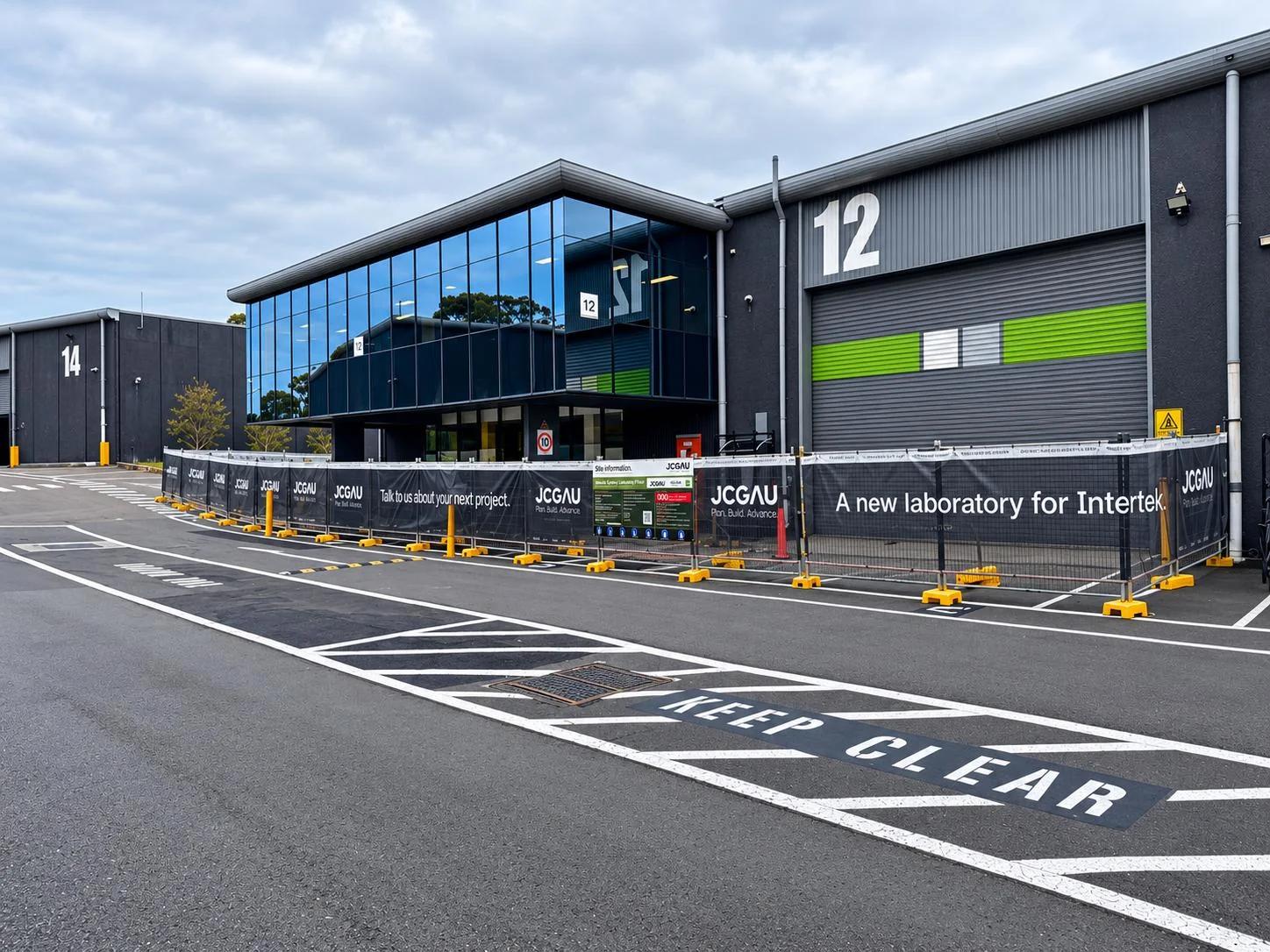
Intertek Sydney Laboratory
Intertek Testing Services · Botany, NSW · In progress
- JCGAU
Labs & Research Facilities
Intertek Melbourne Laboratory Feasibility
Intertek Testing Australia · Melbourne, VIC · Delivered
- Prior firm
Aged Care
AVEO Carisfield
AVEO · Complete
- Prior firm
Aged Care
AVEO Riverview
AVEO · Complete
- Prior firm
Education
Le Fevre High School
The education department · Complete
- Prior firm
Education
Mount Barker High School
The education department · Complete
- Prior firm
Education
Parafield Gardens High School
The education department · Complete
- Prior firm
Education
SAE campus
Navitas · Complete
- Prior firm
Education
St Columba College Stage 2
Complete
Prior firm: the director’s contribution at a previous firm, not JCGAU-delivered work.
Where to go next
Industrial construction
Warehouses, distribution and production facilities, and the fitout inside them.Laboratories and research facilities
Containment, ventilation and equipment loads, where the services are the project.Commercial construction
Offices, retail, hospitality and institutional work, from fitout to new build.Design and construct
One contract carrying both the design and the price.
Questions
Have you built a data centre?
Not under the JCGAU entity. We say so plainly. What we do hold is comprehensive fitout and services coordination capability that applies directly to comms rooms, equipment rooms and edge facilities, and we are open about the boundary.
Would you tender for a hyperscale facility?
No. It sits outside our current capacity, and taking it on would not serve you.
Can you build the base building for a specialist fitout contractor?
Yes. Shell, structure, envelope and site services coordinated to their requirements is work we are well suited to.
Can you build a comms room inside our office project?
Yes, and it is a normal inclusion in the workplace projects we deliver.
Other sectors
Office
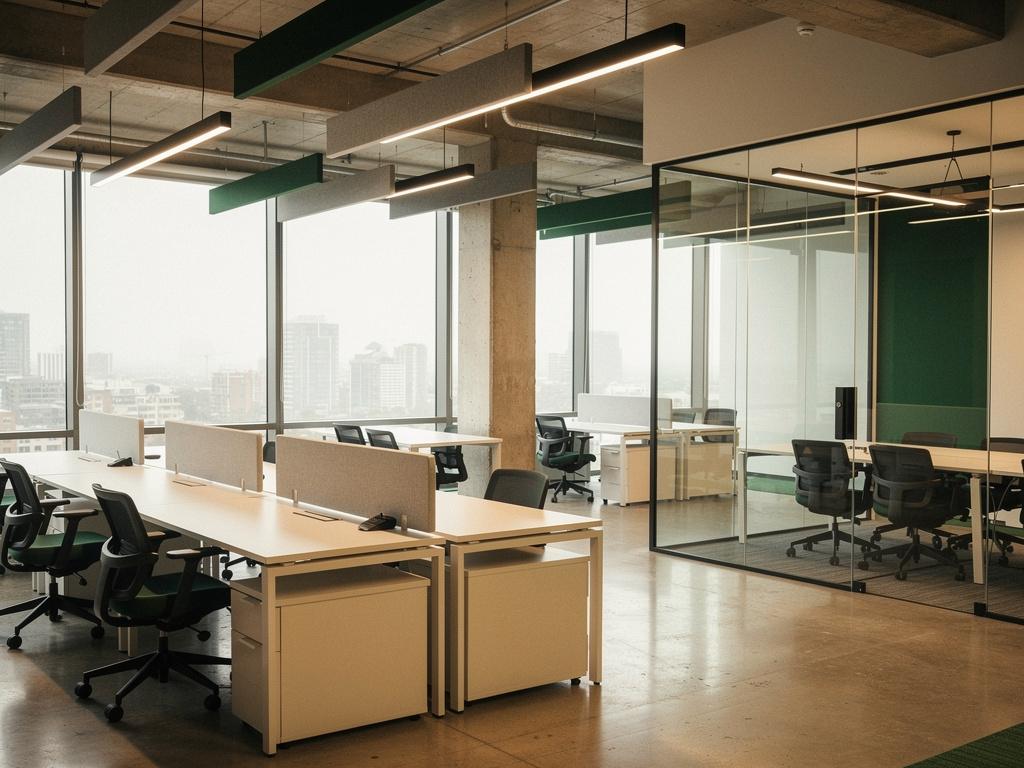
Fitout, refurbishment and new build. Workplace, from a single floor to a whole building, built around how the floor is actually used.

Retail
Trading hours, staging and handover under a tenancy deed. Shopfits, flagship stores and showrooms delivered against a trading date that does not move.
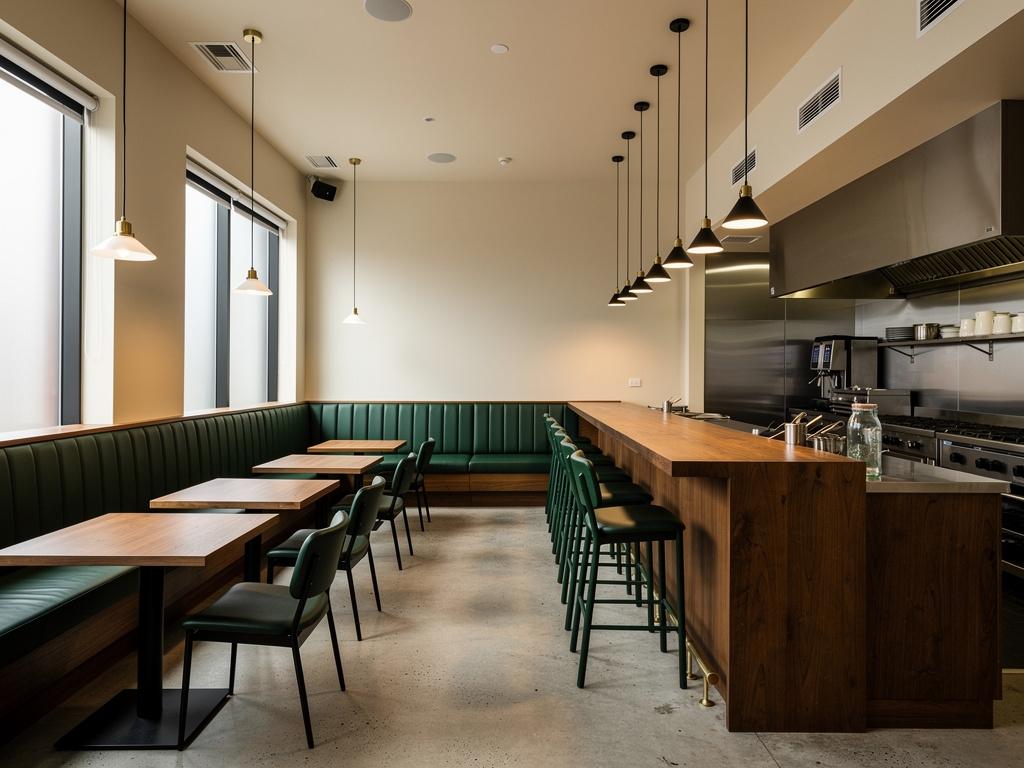
Hospitality
Kitchens, services and finishes against a fixed opening date. Exhaust, trade waste and the licensing path resolved before the date is set in stone.
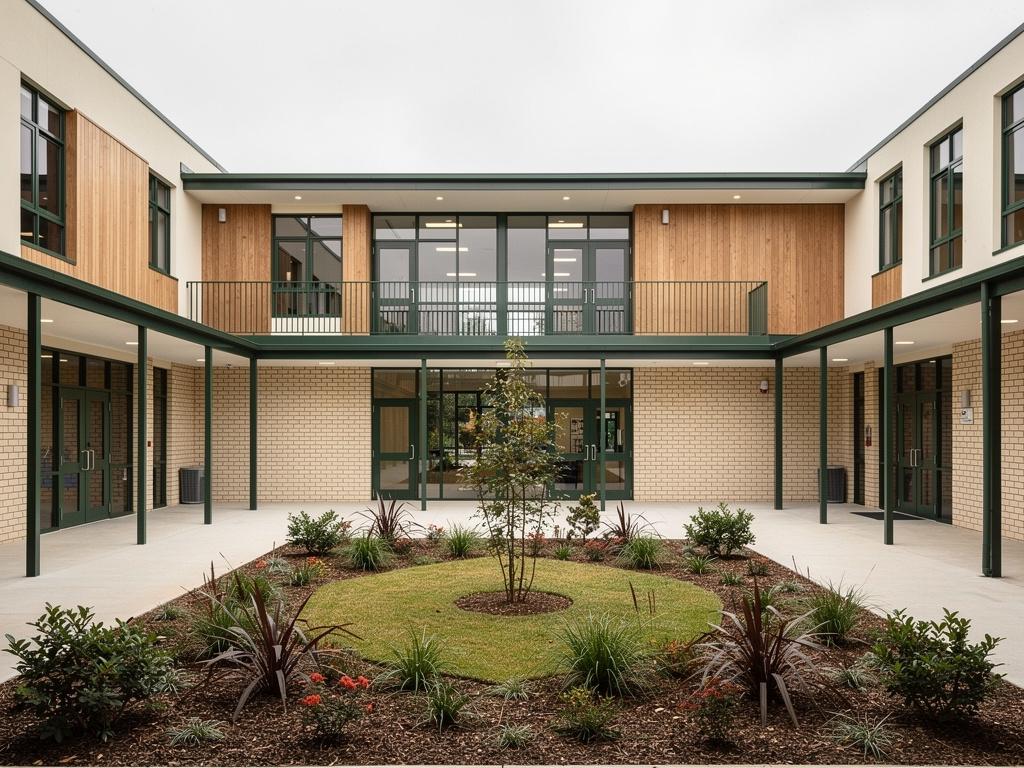
Education
Work planned around terms, not around us. Schools, campuses, training facilities and early learning, built on operating sites around children and the academic year.
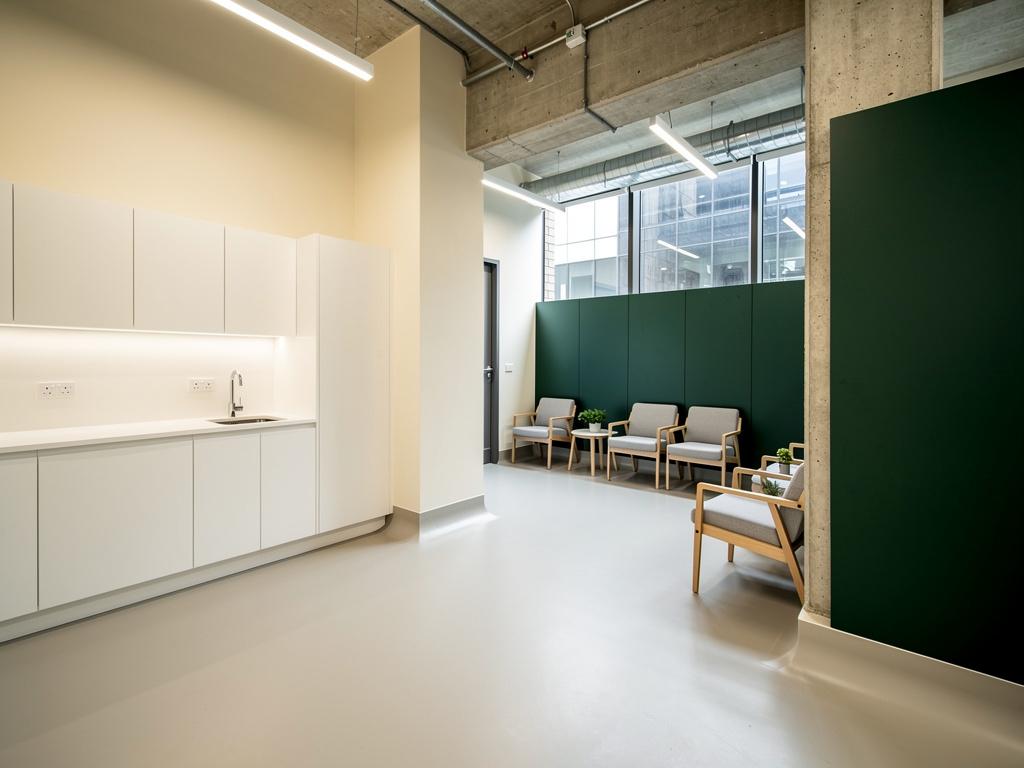
Health
Infection control and staged access in operating facilities. Clinics, day surgeries, consulting suites, allied health and hospital departments.

Aged Care
Building around residents who are already home. Communal, clinical and back-of-house work inside operating facilities. Commercial scope only.
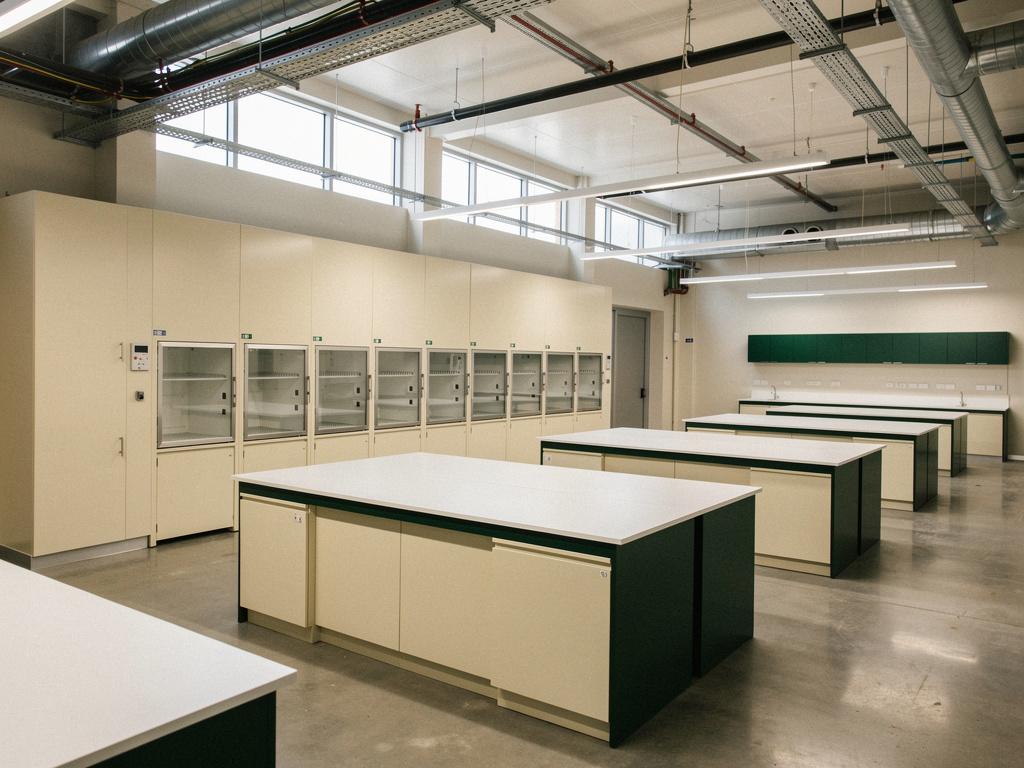
Labs & Research Facilities
Containment, benches and the services behind them. Containment, services and commissioning set the programme on a laboratory, and we plan all three from the first estimate.
Technology
Workplace and specialist facilities for technology tenants. Two buildings inside one lease: a workplace, and the technical rooms that set the programme.

Government & Public Sector
TargetA target sector. Procurement, reporting and probity carried as delivered scope, with local content and Aboriginal participation planned from award.
Ask us where the boundary is.
We will tell you which parts of a critical facilities project we are the right builder for, and which parts we are not.