Hospitality, where the approvals take longer than the build.
Restaurants, cafés, bars, function spaces and hotel food and beverage across South Australia, Victoria and New South Wales. Delivered against a fixed opening date.
- Group
- Workplace and public
- External approvals a commercial kitchen depends on
- 4
- Project capacity under a single contract
- $20m
- States we build in: South Australia, Victoria and New South Wales
- 3
- Every instruction priced and approved in writing
- 100%
The constraint
The kitchen is four approvals wearing a stainless steel coat.
The construction is a few weeks. The exhaust route, the trade waste agreement, the food business notification and the gas or power upgrade are not, and none of them is ours to accelerate.
Every hospitality project we have seen fail on programme failed on the same thing: the operator signed a lease, set an opening date, and then discovered that the exhaust could not be discharged where it needed to go, or that the trade waste agreement had a queue in front of it, or that the tenancy did not have the gas supply the menu assumed.
These are not construction problems. They are constraints that determine whether the venue can exist in that tenancy at all, and they are answerable in the first fortnight if anyone goes looking.
The kitchen
the part you are paying us to build
Kitchen exhaust discharge
A route to atmosphere, and usually a landlord or neighbour conversation
Grease arrestor and trade waste
An agreement with the water authority, on their timetable
Food business notification
Council, with its own fit-out requirements and inspection
Electricity and gas supply
Upgrades are applications, not site work
The rest of the venue
What else decides a hospitality programme.
- Acoustics and the licence
- A planning permit or liquor licence commonly carries noise conditions, and those conditions become a construction specification. Glazing, ceiling treatment, plant selection, door seals and where the speakers can go. A venue that cannot meet its noise condition cannot trade the hours it planned to.
- Mechanical make-up air
- A kitchen exhaust that removes air needs air replaced, or the front of house becomes unpleasant and the doors will not close properly. It is the most commonly under-designed element in a small venue.
- Grease, waste and cleaning
- Trade waste, grease arrestor location and access for pump-out are decided by where they can physically go, which is often not where the design wanted them.
- Front of house finishes
- Hospitality finishes carry the shortest life and the tightest visual tolerance of anything we build. Joinery lead times routinely exceed the construction period.
- Accessibility and amenities
- Accessible sanitary facilities, path of travel and counter heights are code matters that get squeezed by a layout designed around covers. Better resolved at concept.
- Fitting out around a live venue
- Refurbishing a trading venue means overnight works, hygiene separation and returning the space to service every morning. It is possible and it is not cheap.
Who we do this for
Four buyers, and what each is actually solving.
Operators and restaurateurs
One venue, a lease, a licence application and a trading date. The kitchen, the mechanical exhaust and the grease and trade waste approvals are the project; the dining room is the easy half.
Landlords and centre owners
Making a tenancy capable of carrying a food operator: services capacity, exhaust paths, grease arrestor provision and the acoustic position with neighbours above.
Hotel and accommodation groups
Rolling refurbishment of rooms and public areas while the property keeps trading, floor by floor, with a written stage handover for each.
Multi-site and franchise groups
The same fitout reproduced across states under different councils and different authority requirements, with one reporting format and one handover pack.
What decides a hospitality programme
Three approvals, and none of them is the building permit.
- Mechanical exhaust and make-up air
- A commercial kitchen needs an exhaust path to a discharge point, and that path usually crosses property the tenant does not control. Where it goes, what it sounds like at the neighbour’s window and whether the landlord will permit the penetration are questions to settle before the layout is fixed, not after.
- Trade waste and grease arrestor
- The water authority sets the arrestor size and the discharge conditions, and the arrestor has to go somewhere with vehicle access for pump-out. It is a siting decision with a lead time, and it has moved more kitchen layouts than any designer has.
- Food, liquor and council approvals
- Food business registration, liquor licensing and any planning consent for hours or outdoor areas run on their own timelines. We track them as programme items with named owners and dates, because a finished venue that cannot legally trade is the one outcome nobody budgets for.
The opening date was set before the exhaust route was checked. That is the whole problem.
Projects
 JCGAU
Labs & Research Facilities
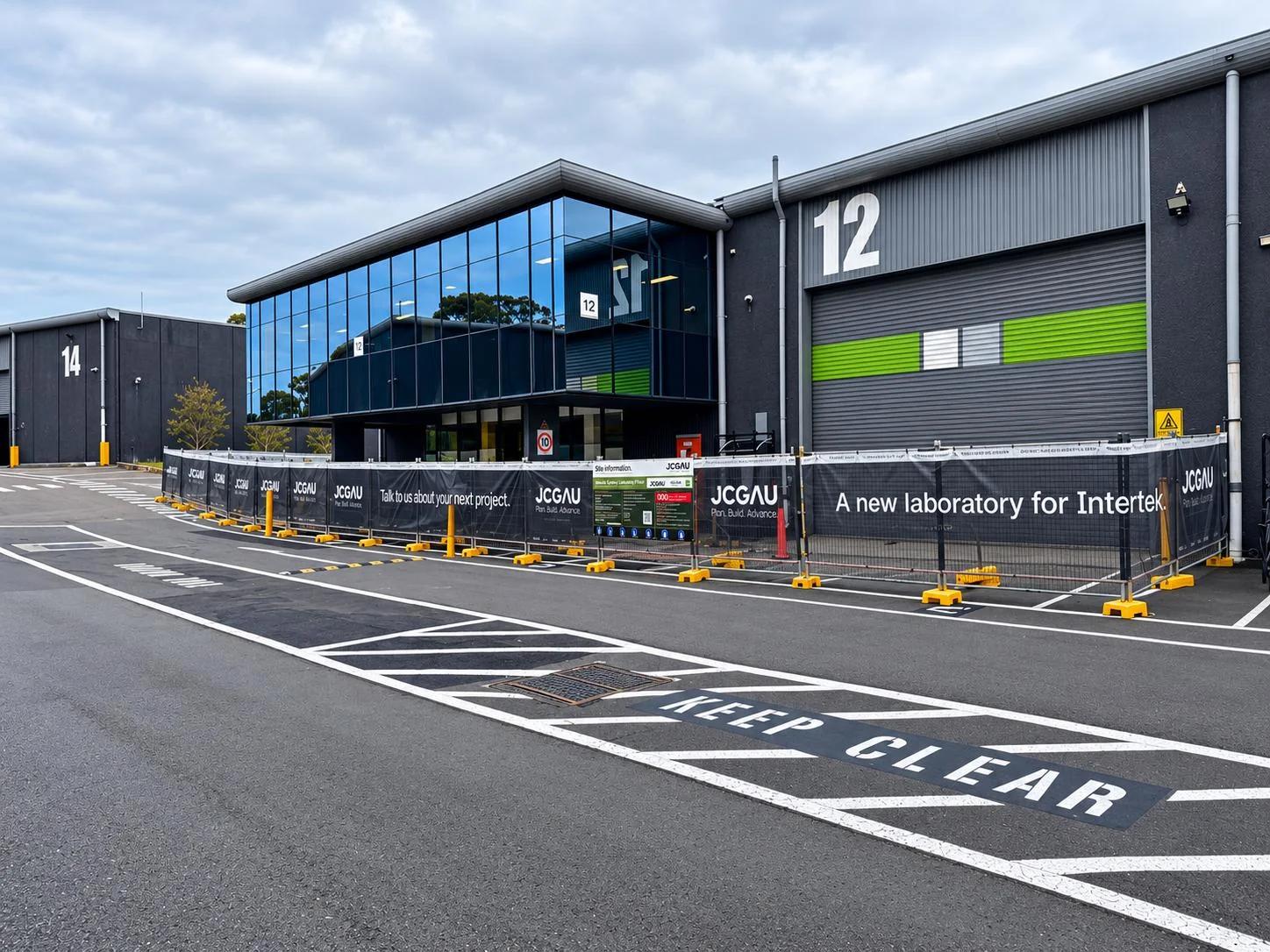
Intertek Sydney Laboratory
Intertek Testing Services · Botany, NSW · In progress
- JCGAU
Labs & Research Facilities
Intertek Melbourne Laboratory Feasibility
Intertek Testing Australia · Melbourne, VIC · Delivered
- Prior firm
Aged Care
AVEO Carisfield
AVEO · Complete
- Prior firm
Aged Care
AVEO Riverview
AVEO · Complete
- Prior firm
Education
Le Fevre High School
The education department · Complete
- Prior firm
Education
Mount Barker High School
The education department · Complete
- Prior firm
Education
Parafield Gardens High School
The education department · Complete
- Prior firm
Education
SAE campus
Navitas · Complete
- Prior firm
Education
St Columba College Stage 2
Complete
Prior firm: the director’s contribution at a previous firm, not JCGAU-delivered work.
Where to go next
Fitout and refurbishment
Working inside an existing building, including one that has to keep operating.Commercial construction
Offices, retail, hospitality and institutional work, from fitout to new build.Design and construct
One contract carrying both the design and the price.How we work
How we price, procure, administer and report, described as mechanisms you can test.
Questions
We have signed the lease. Can you tell us if the venue works?
We can tell you quickly whether the exhaust, waste and services can do what your menu needs, and if there is a problem you would rather know now. It is the single most valuable early conversation in this sector.
Can you work with our kitchen supplier?
Yes, and it is the normal arrangement. The kitchen equipment supplier sets the services requirements, and we coordinate to them.
Can you keep us trading during a refurbishment?
Often, in stages and overnight. We will tell you honestly when closing for a shorter period is cheaper than trading through a longer one.
Who deals with council and the water authority?
We can lodge and manage the construction-side applications. The food business registration and the liquor licence sit with the operator, and we work to their dates.
Other sectors
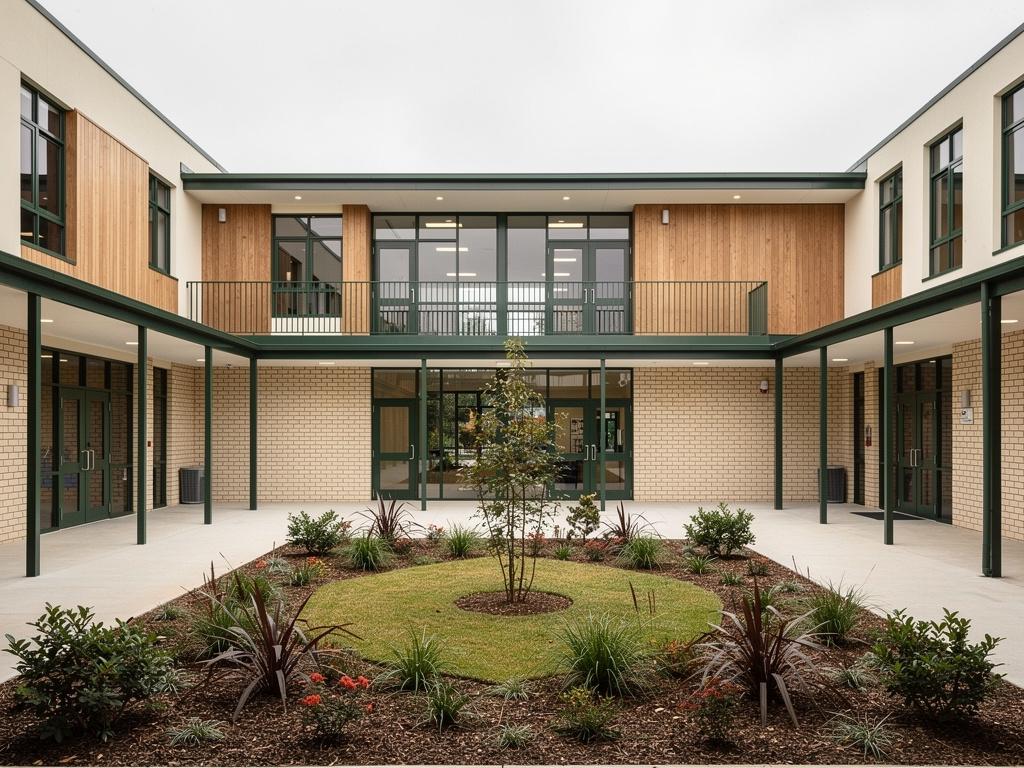
Education
Work planned around terms, not around us. Schools, campuses, training facilities and early learning, built on operating sites around children and the academic year.
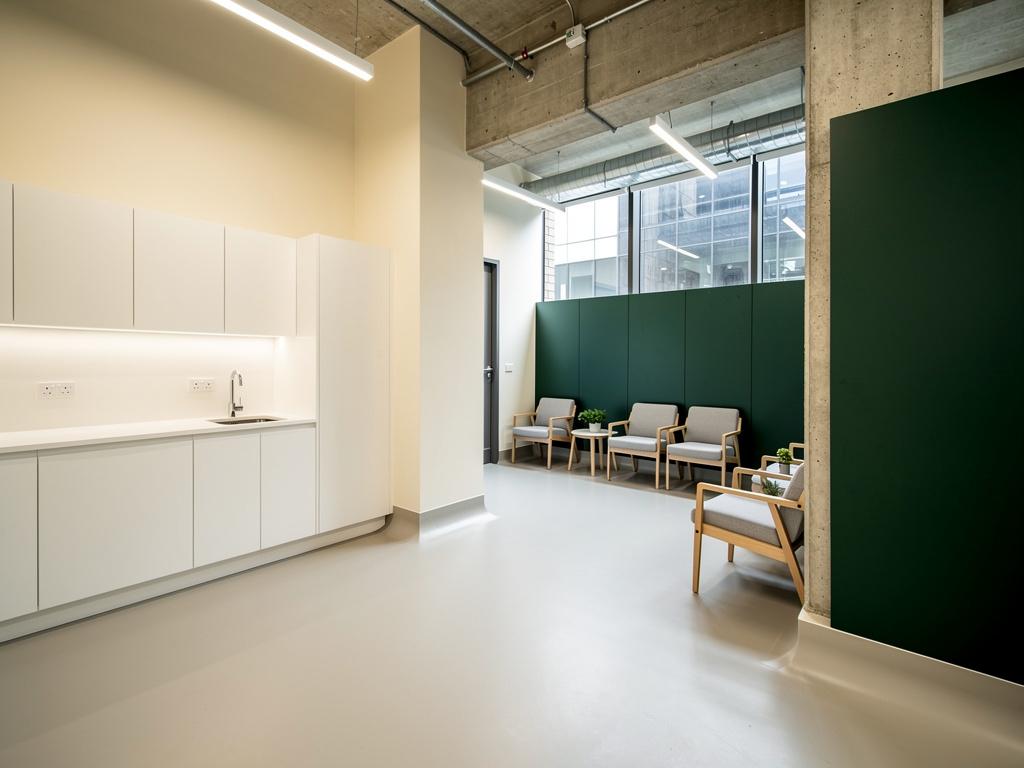
Health
Infection control and staged access in operating facilities. Clinics, day surgeries, consulting suites, allied health and hospital departments.

Aged Care
Building around residents who are already home. Communal, clinical and back-of-house work inside operating facilities. Commercial scope only.
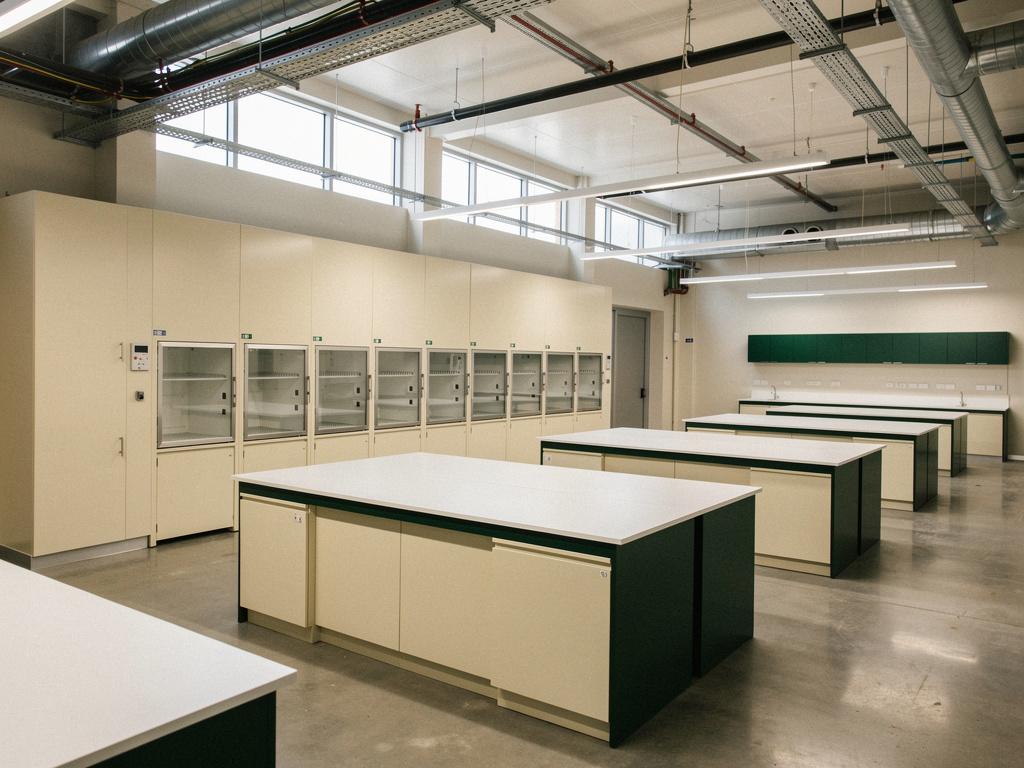
Labs & Research Facilities
Containment, benches and the services behind them. Containment, services and commissioning set the programme on a laboratory, and we plan all three from the first estimate.
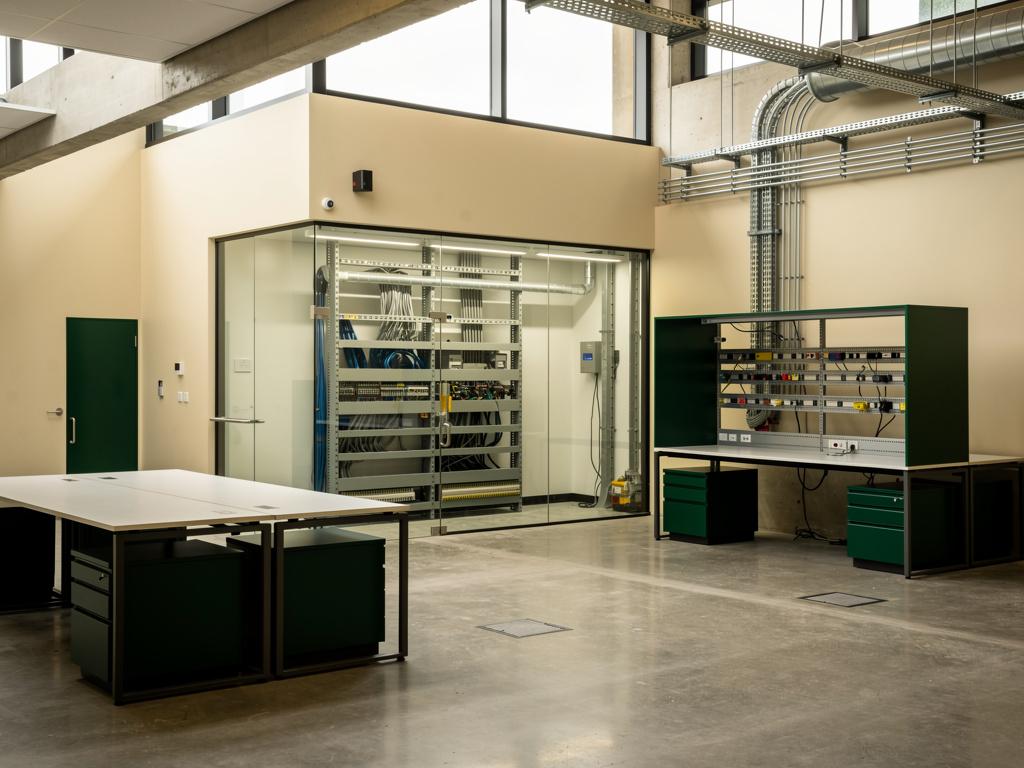
Technology
Workplace and specialist facilities for technology tenants. Two buildings inside one lease: a workplace, and the technical rooms that set the programme.

Government & Public Sector
TargetA target sector. Procurement, reporting and probity carried as delivered scope, with local content and Aboriginal participation planned from award.
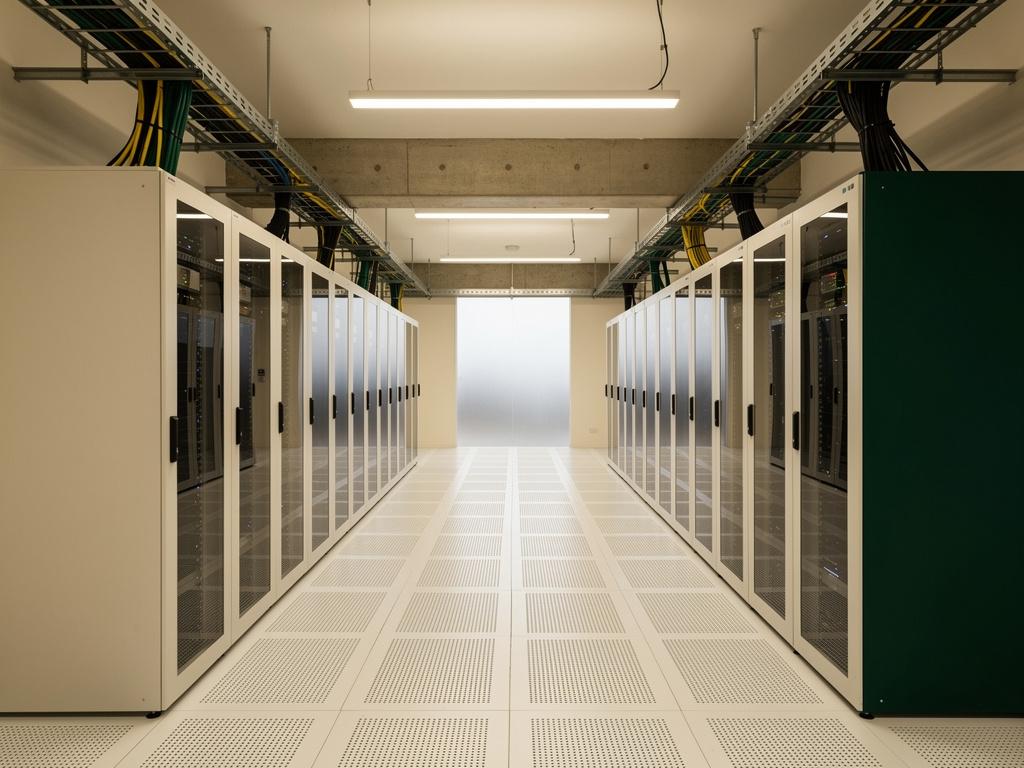
Data Centre
TargetA target sector. Where the services are the project: comms rooms, edge facilities and critical services works, with a plain statement of where our capability starts and stops.
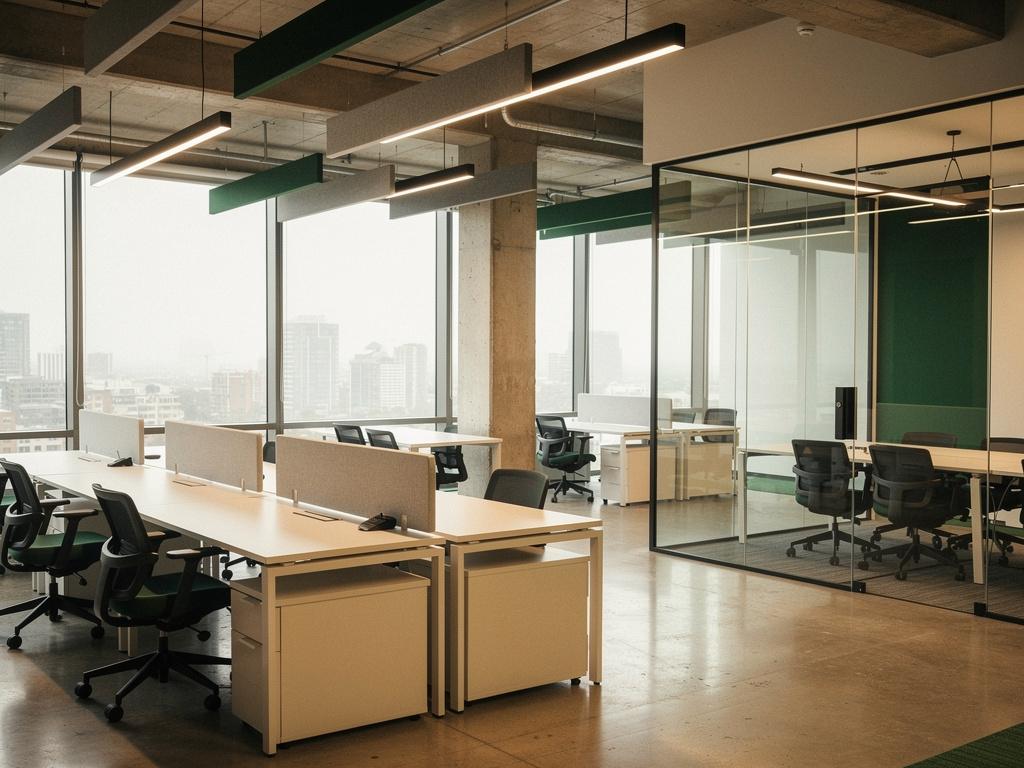
Office
Fitout, refurbishment and new build. Workplace, from a single floor to a whole building, built around how the floor is actually used.

Retail
Trading hours, staging and handover under a tenancy deed. Shopfits, flagship stores and showrooms delivered against a trading date that does not move.
Send us the tenancy and the menu.
Between those two we can tell you whether the services will support the venue you have in mind, before the design starts.