Procurement, reporting and probity as delivered scope.
Public sector construction across South Australia, Victoria and New South Wales, where the obligations that come with the contract are part of the work rather than paperwork around it.
- Group
- Specialist and technical
- Status
- A sector we are targeting
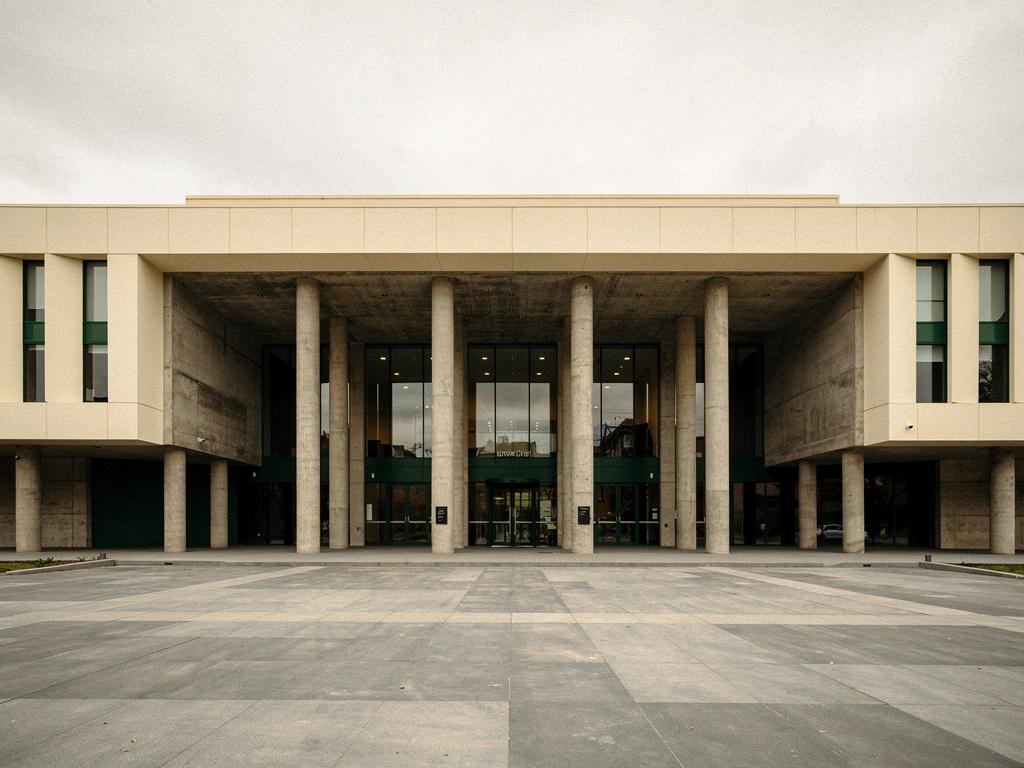
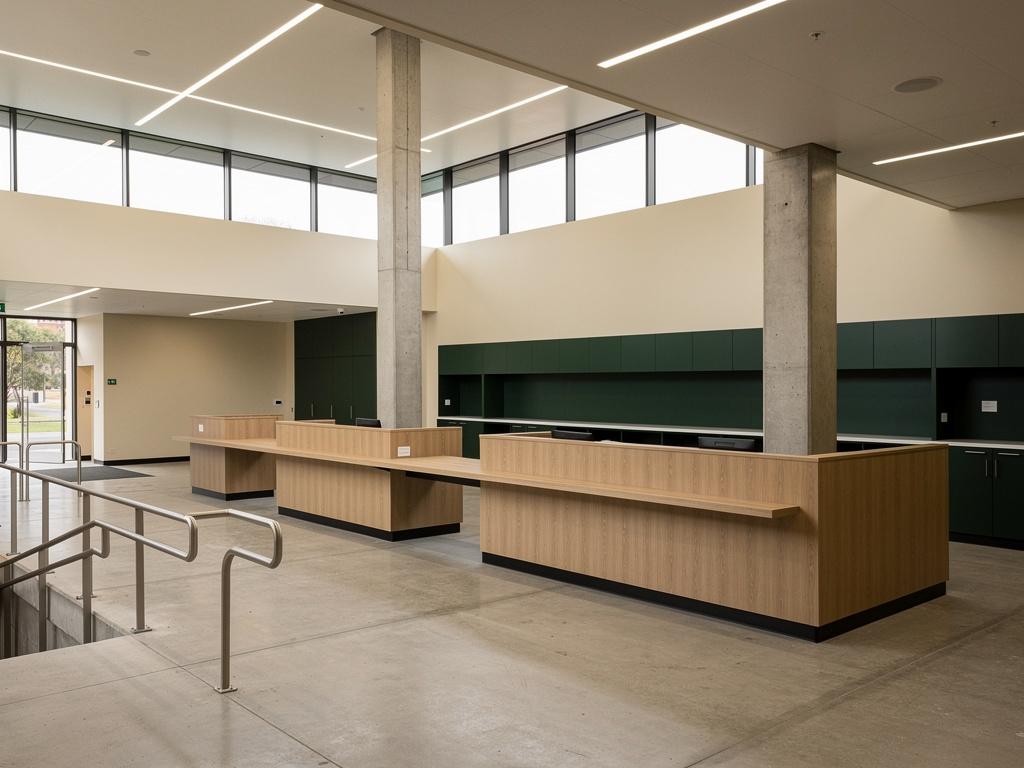
- States we build in: South Australia, Victoria and New South Wales
- 3
- Project capacity under a single contract
- $20m
- JCGAU builder licence
- BLD 344769
- Every instruction priced, recorded and approved in writing
- 100%
The constraint
A government contract asks for a building and a record.
Local content, Aboriginal business participation, apprentices, safety and industrial relations compliance, and a documentary trail that stands up to audit. All contract deliverables. All with due dates.
Public sector clients are accountable for how money is spent, which means the contract carries obligations a private one does not. Those obligations have targets, evidence requirements and reporting cycles, and a target discovered at practical completion is a target already missed.
We treat each of them the way we treat a trade package: a named owner, a due date and a place the evidence is filed. It is not a burden. It is the part of the job that makes the difference between a compliant submission and a compliant project.
The five reporting obligations that run alongside a public sector construction contract. Local content and industry participation, Aboriginal business and employment, apprentices and trainees, safety and industrial relations, and probity and records. For each one the diagram shows the owner on the project, the reporting cadence, the evidence that closes it out, and what happens if it is left until practical completion. All five start at award, not at completion.
Five obligations, each with an owner and a cadence
| Owner on the project | Cadence | Evidence that closes it | |
|---|---|---|---|
| Local contentand industry participation | Contract administrator | Monthly | Supplier spend by postcode, against the committed plan |
| Aboriginal businessand employment outcomes | Director, with the procurement lead | Monthly | Registered supplier engagement and hours worked |
| Apprentices and traineesincluding subcontractor labour | Site manager | Monthly | Labour hours by classification, reconciled to site records |
| Safety and industrial relationsabove the legislative baseline | Director | Monthly, and on incident | Audits, inductions, SWMS register, incident and corrective actions |
| Probity and recordsdeclared interests, decisions | Director | Continuous | Decision register, declarations, tender trail open to audit |
Planned from award
A named owner, a due date and a place the evidence is filed, from the day the contract is signed. The reporting is a by-product of doing the work.
Left until completion
The target is already missed, the evidence cannot be reconstructed, and the final claim sits behind a compliance report nobody can complete.
The frameworks
Different names in each state. The same shape underneath.
A plan committed at tender, then reported through delivery against what was committed. Once you see that shape, the three states stop being three different problems.
The three state policy frameworks that attach to public sector construction. South Australia runs industry participation through the Office of the Industry Advocate. Victoria runs Local Jobs First together with the Social Procurement Framework. New South Wales runs an Aboriginal Procurement Policy alongside small and medium enterprise and regional procurement commitments. Each sets a plan at tender and reporting through delivery, and the diagram notes that policy titles and thresholds change so the current position must be confirmed per project.
What attaches, state by state
South Australia
Industry participation
Administered through the Office of the Industry Advocate, with an industry participation plan lodged at tender and reported through delivery.
Victoria
Local Jobs First
Local content commitments plus apprentice and trainee targets, alongside the Social Procurement Framework where the project value triggers it.
New South Wales
Aboriginal procurement
An Aboriginal Procurement Policy with engagement and employment commitments, alongside small and medium enterprise and regional procurement commitments.
All three follow the same shape: a plan committed at tender, then reported through delivery against what was committed.
Policy titles, thresholds and administering bodies change. We confirm the current position for your project rather than working from a web page.
What the reporting actually looks like
The cadence, month by month.
| When | What is produced | Who signs it |
|---|---|---|
| Within 14 days of award | Participation plan converted into a delivery plan: targets, named owners, the supplier categories that will carry the local content, and the evidence register set up. | Director |
| Each procurement package | Tender list checked against the commitments before the package goes to market, so the target is met by the award rather than chased after it. | Contract administrator |
| Monthly, with the progress claim | Supplier spend by category and postcode, registered supplier engagement, labour hours by classification, safety statistics and any corrective actions. | Contract administrator |
| On any incident or variation to the plan | A written notification and a revised path back to the committed position, rather than a silent shortfall carried to the end. | Director |
| At practical completion | A close-out report reconciling committed against achieved, with the evidence attached rather than summarised. | Director |
The monthly pack is issued with the progress claim rather than separately, so the commercial and the compliance record are always the same month.
The path
Where a contractor is actually filtered out.
Rarely on price. Almost always at prequalification, and at the evaluation of everything that is not price.
The public sector procurement path and where a contractor is actually filtered out. Prequalification comes first and is a standing scheme rather than a project step. Then expression of interest, then request for tender, then evaluation against weighted criteria, then award, then reporting obligations that run for the life of the contract. Most contractors are eliminated at prequalification and at the evaluation of non-price criteria, not on price.
Prequalification
standing, not per project
Expression of interest
Request for tender
Evaluation
weighted, price is one criterion
Award
Reporting runs from award to the end of the defects period.
Most contractors are filtered out at the two copper marks.
Prequalification is held before a project exists, so it is either in place when the tender lands or the tender is not available to you.
Evaluation weights capability, methodology, local content and participation alongside price. A low number rarely wins on its own.
What a panel is reading
The four things that decide a non-price score.
A plan that is specific
Named suppliers, named categories and a number, rather than a statement of intent. A specific plan scores because it can be tested.
Capacity that matches the value
A panel is checking that the contract sits inside the contractor’s demonstrated range. Ours is up to $20 million under a single contract, and we say so.
Systems that are real
Written plans in use on live projects, with records that can be produced. We describe them exactly as they are and never as certified.
A clean trail
Declared interests, documented decisions and a tender record open to audit. Probity is easiest to evidence when it was never an afterthought.
Australian context
Local participation is where an Australian-owned builder is genuinely well placed.
- Local content
- State programmes in Victoria, South Australia and New South Wales all place weight on local industry participation. An Australian-owned contractor with an Australian supply chain and local subcontractors is well positioned to meet those requirements and to evidence them.
- Aboriginal business participation
- Public sector procurement across the three states sets expectations for engaging Aboriginal and Torres Strait Islander businesses and for employment outcomes. We build these into the procurement plan at award, engage with recognised supplier directories, and report against them monthly rather than at completion.
- Apprentices and trainees
- Where a contract sets a training target, it is planned into the resourcing rather than chased in the final quarter. It is also, straightforwardly, good for the industry.
- Safety and industrial relations
- Public projects carry their own safety and industrial relations requirements above the general legislative baseline. Our systems are written and in use, and our records are kept to be audited.
- Probity
- Separation of roles, documented decisions, declared interests and a clean evidence trail. This is the same discipline that governs our client-side project management appointments, and it comes from the same conviction.
- Acknowledgement of Country
- We work on Kaurna Country in Adelaide, on the lands of the Kulin Nations in Melbourne, and on Gadigal and Dharug Country in Sydney. We acknowledge the Traditional Owners and Custodians of those lands and pay respect to Elders past and present.
A target discovered at practical completion is a target already missed.

Our position, stated plainly
What we hold, and what we do not.
Where we are
JCGAU holds a current builder licence, written and operating management system plans, and a director with 15+ years of delivery experience across commercial, education, institutional and industrial projects. Our management system plans are written and in use; they are not third-party certified, and we say so. Defence is a sector we are building towards rather than one in which the company holds a completed project record. We would rather a procurement panel read that here than discover it in an evaluation.
Founder’s project contributions
The director’s public sector and institutional experience, including work for the education department at Parafield Gardens, Le Fevre and Mount Barker high schools, and the SAE campus for Navitas. Was delivered at previous firms. These are the founder’s prior-firm project contributions and are described that way in every submission and on every page. They are not JCGAU-delivered work.
Projects
 JCGAU
Labs & Research Facilities
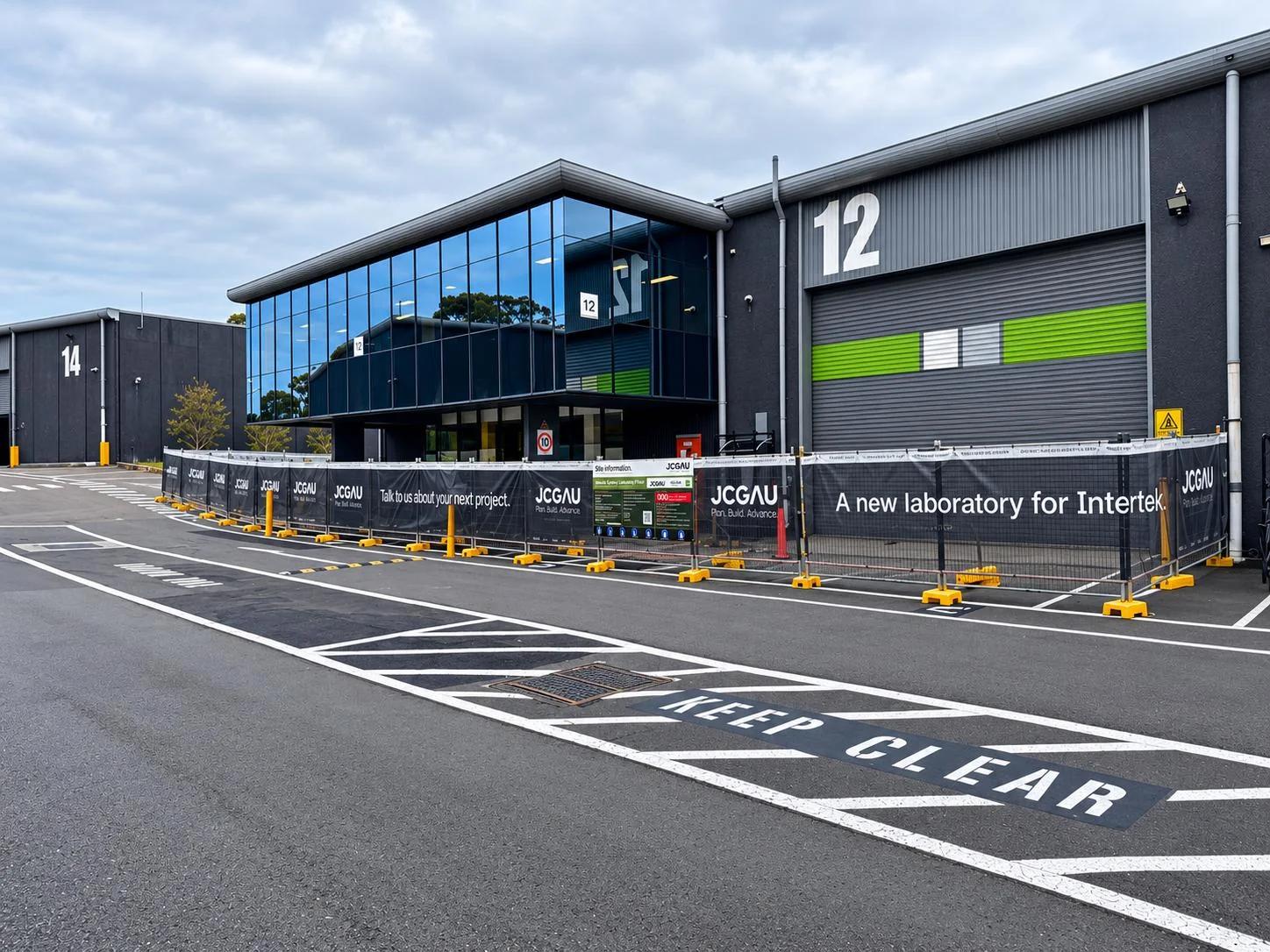
Intertek Sydney Laboratory
Intertek Testing Services · Botany, NSW · In progress
- JCGAU
Labs & Research Facilities
Intertek Melbourne Laboratory Feasibility
Intertek Testing Australia · Melbourne, VIC · Delivered
- Prior firm
Aged Care
AVEO Carisfield
AVEO · Complete
- Prior firm
Aged Care
AVEO Riverview
AVEO · Complete
- Prior firm
Education
Le Fevre High School
The education department · Complete
- Prior firm
Education
Mount Barker High School
The education department · Complete
- Prior firm
Education
Parafield Gardens High School
The education department · Complete
- Prior firm
Education
SAE campus
Navitas · Complete
- Prior firm
Education
St Columba College Stage 2
Complete
Prior firm: the director’s contribution at a previous firm, not JCGAU-delivered work.
Where to go next
Commercial construction
Offices, retail, hospitality and institutional work, from fitout to new build.Industrial construction
Warehouses, distribution and production facilities, and the fitout inside them.Client-side project management
Where you want us acting for you rather than building for you.How we work
How we price, procure, administer and report, described as mechanisms you can test.Adelaide and South Australia
Licensed builder BLD 344769, with the head office and estimating team here.
Questions
Are you on a government prequalification scheme?
Ask us and we will tell you exactly which schemes we hold and which we are working towards, as at the date you ask. We would rather give you a current answer than publish one that ages.
Are your management systems certified?
Our quality, safety and environmental management plans are written and in use. They are not third-party certified, and we do not describe them as though they were.
Can you meet local content and Aboriginal participation targets?
Yes, and we plan them from award with a named owner and monthly reporting. As an Australian-owned contractor working with local supply chains, this is a natural fit rather than a compliance exercise.
Do you work in defence?
It is a target sector for us rather than a delivered one. We say so plainly.
What size public projects do you take?
Up to $20 million under a single contract. Above that we would tell you rather than take the work and resource it thinly.
How do you report against a participation plan?
Monthly, issued with the progress claim, so the commercial record and the compliance record cover the same month. Supplier spend by category and postcode, registered supplier engagement, labour hours by classification and safety statistics.
What happens if a target is going to be missed?
You get a written notification when we see it coming, with a revised path back to the committed position. A shortfall carried quietly to practical completion is the one outcome we design the reporting to prevent.
Which states can you work in?
South Australia, Victoria and New South Wales, with teams on the ground in each. We hold building registrations in the company name in two of the three: licensed builder BLD 344769 in South Australia, and standalone Victorian registrations CCB-L 100384 commercial and CDB-U 101761 domestic. New South Wales work is delivered under the design and building practitioner regime. Each state is run by its own team rather than serviced from another city.
Can you work in an occupied or operating public facility?
Yes. Staged handover, out-of-hours work, separation of construction and public access, and the induction and screening arrangements the facility requires.
Other sectors

Data Centre
TargetA target sector. Where the services are the project: comms rooms, edge facilities and critical services works, with a plain statement of where our capability starts and stops.

Office
Fitout, refurbishment and new build. Workplace, from a single floor to a whole building, built around how the floor is actually used.

Retail
Trading hours, staging and handover under a tenancy deed. Shopfits, flagship stores and showrooms delivered against a trading date that does not move.
Hospitality
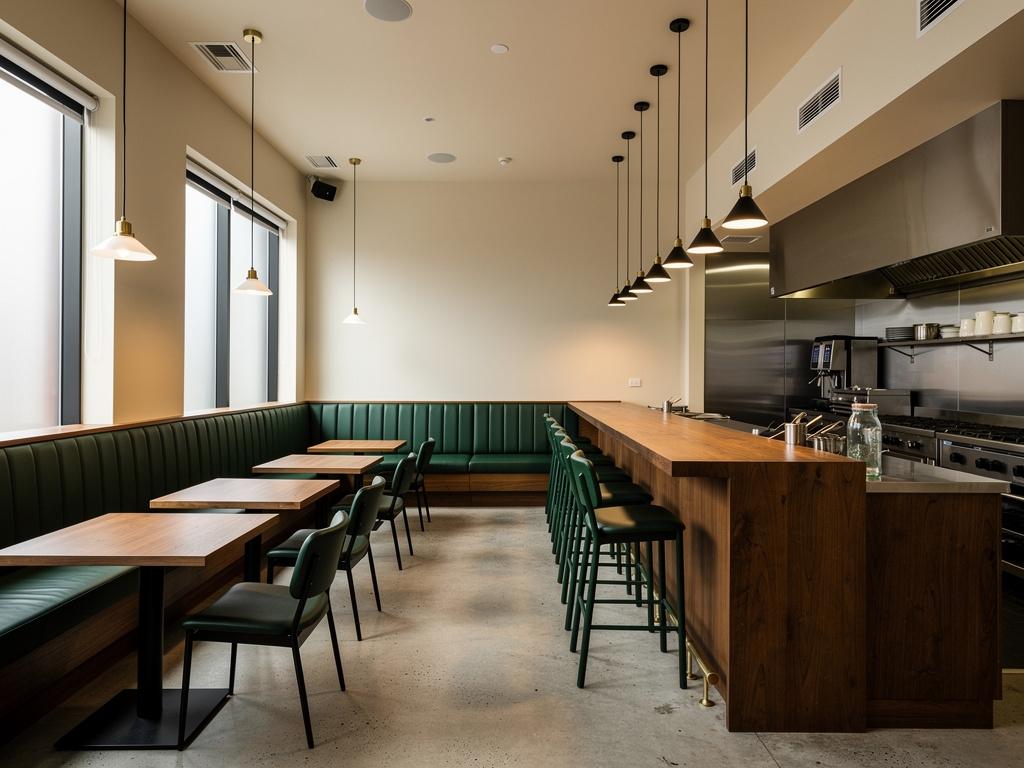
Kitchens, services and finishes against a fixed opening date. Exhaust, trade waste and the licensing path resolved before the date is set in stone.
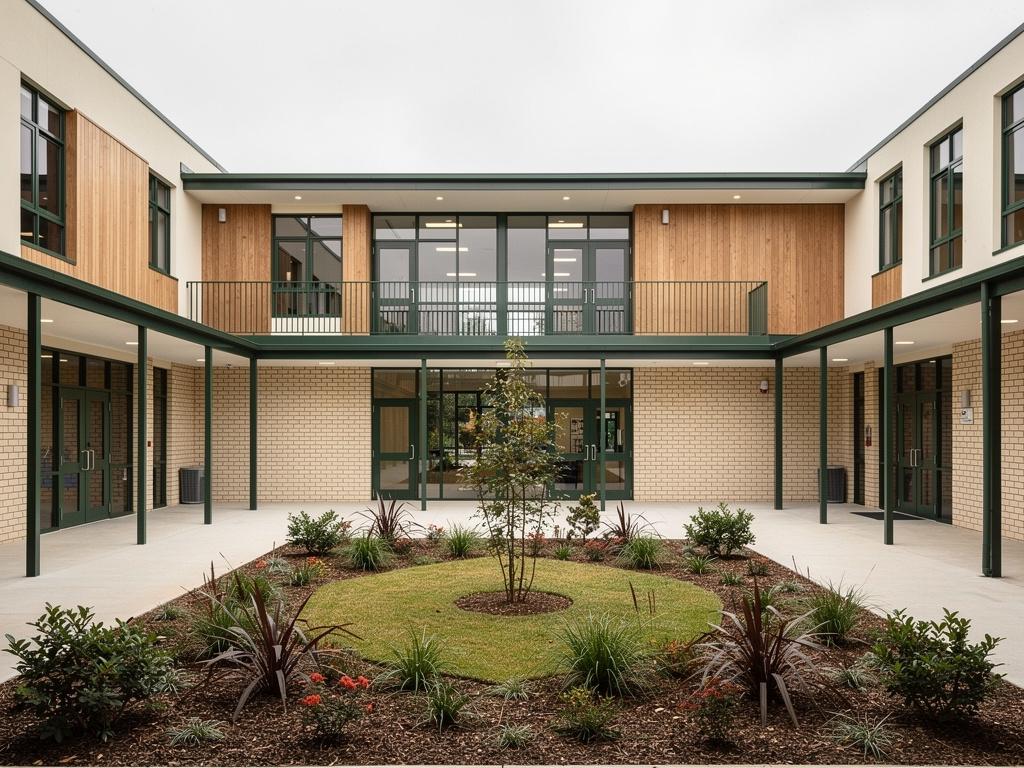
Education
Work planned around terms, not around us. Schools, campuses, training facilities and early learning, built on operating sites around children and the academic year.
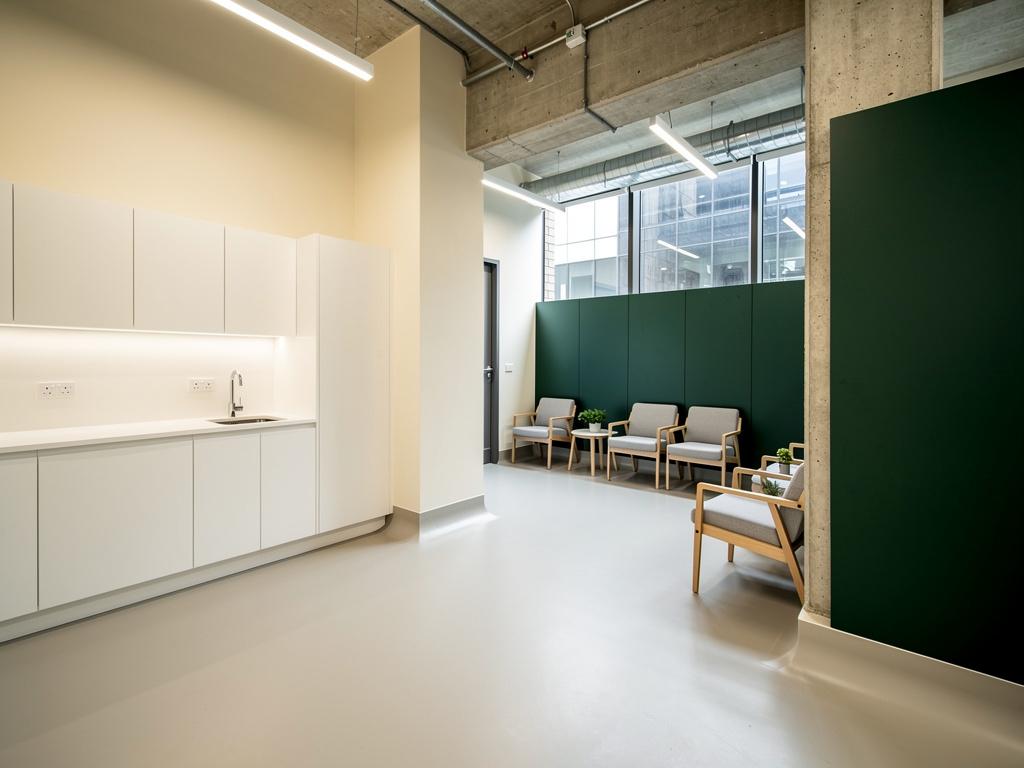
Health
Infection control and staged access in operating facilities. Clinics, day surgeries, consulting suites, allied health and hospital departments.

Aged Care
Building around residents who are already home. Communal, clinical and back-of-house work inside operating facilities. Commercial scope only.
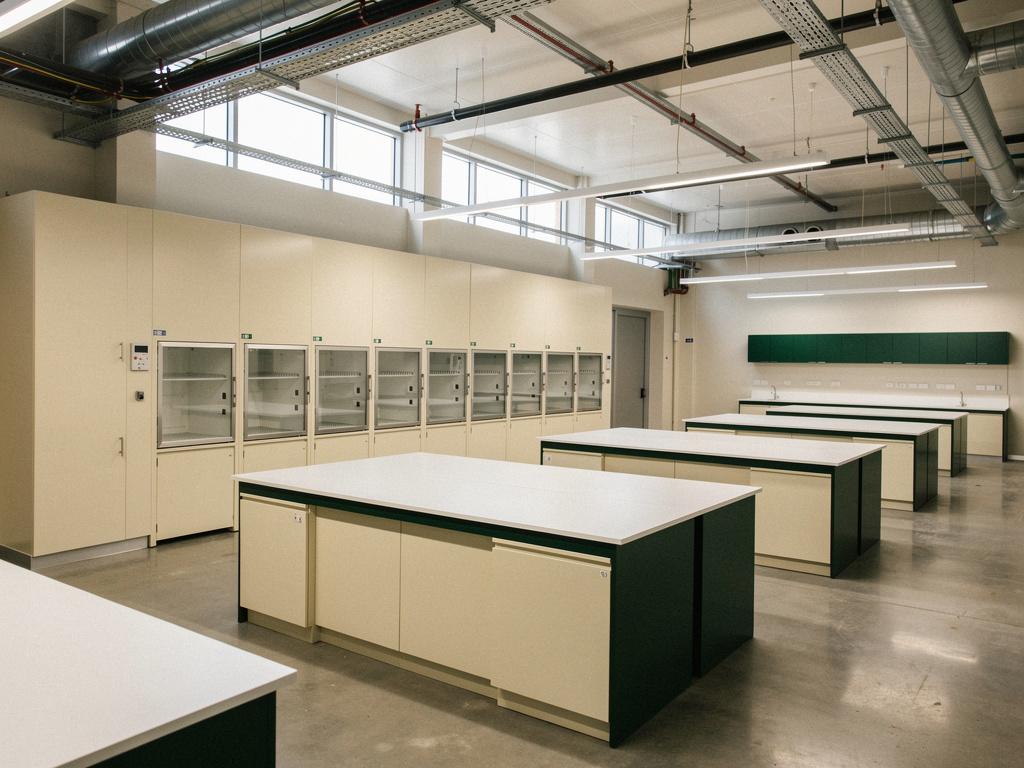
Labs & Research Facilities
Containment, benches and the services behind them. Containment, services and commissioning set the programme on a laboratory, and we plan all three from the first estimate.
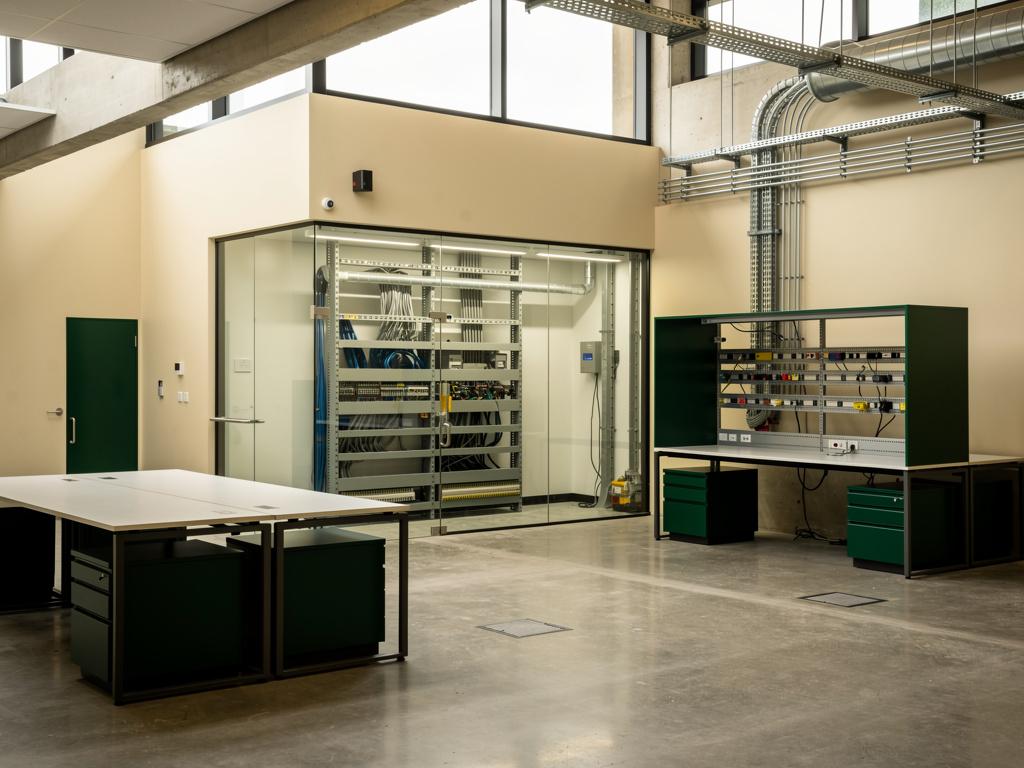
Technology
Workplace and specialist facilities for technology tenants. Two buildings inside one lease: a workplace, and the technical rooms that set the programme.
Ask us for the current position.
Licences, insurances, systems, prequalifications and capacity. We will give you a current, accurate answer rather than a brochure.